





- Government records list B.Ed colleges in Bhopal that do not physically exist at their addresses
- Multiple colleges operate from overlapping plots with unclear verification by authorities
- Some colleges function from school campuses or shifted locations without updated records
At Mugaliya Kot village on Bhopal's Vidisha Road, government records suggest there should be a B.Ed college. There should be students here, classrooms, a library, laboratories, a playground and all the infrastructure required to train future school teachers.
For nearly a decade, records suggest, 150 students were passing out every year from this address, 100 in B.Ed and 50 in B.Sc-B.Ed. But when NDTV reached the spot, the ground told a very different story.
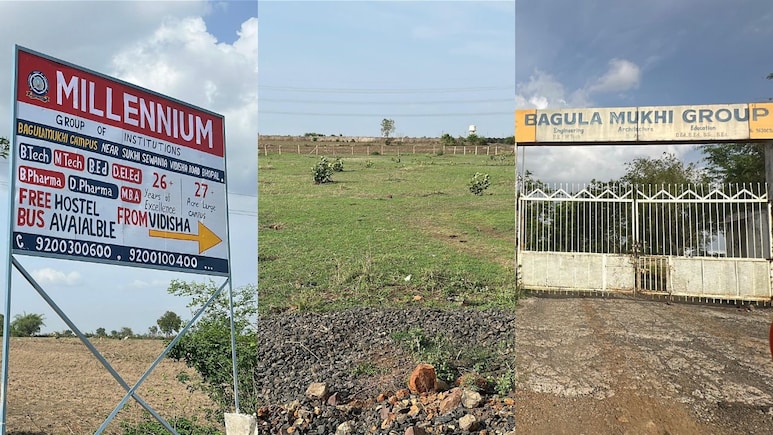
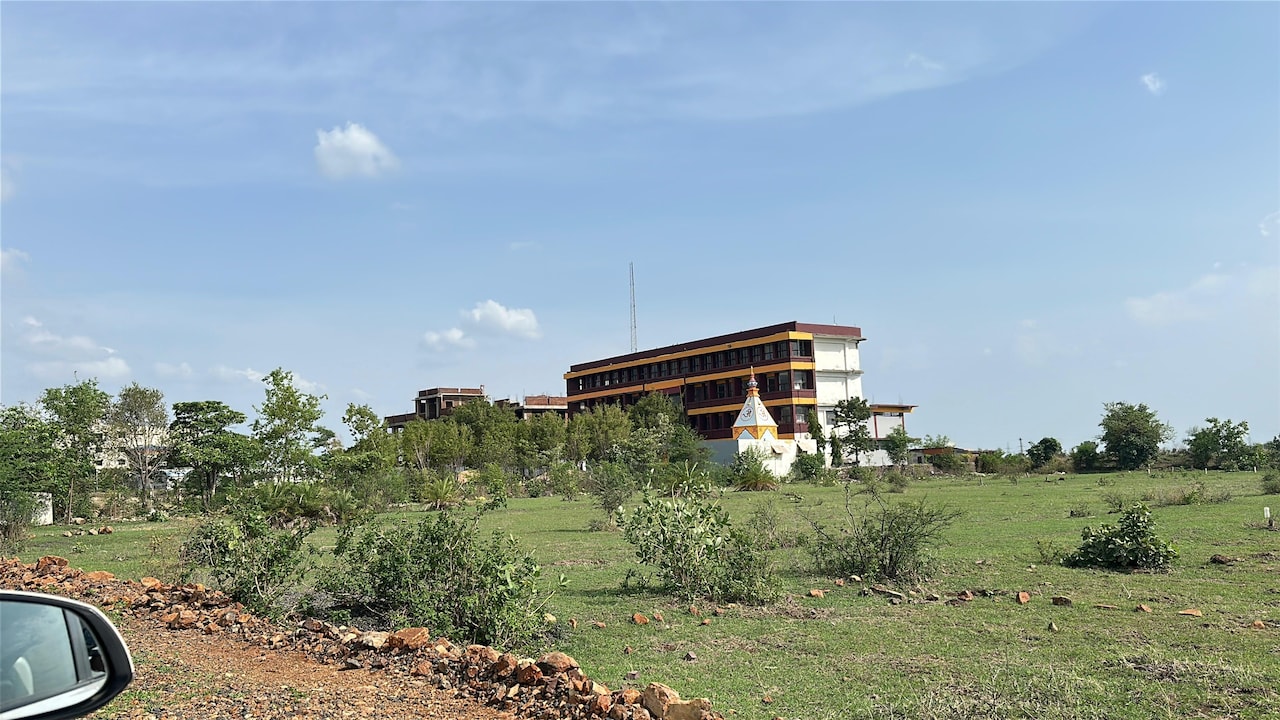
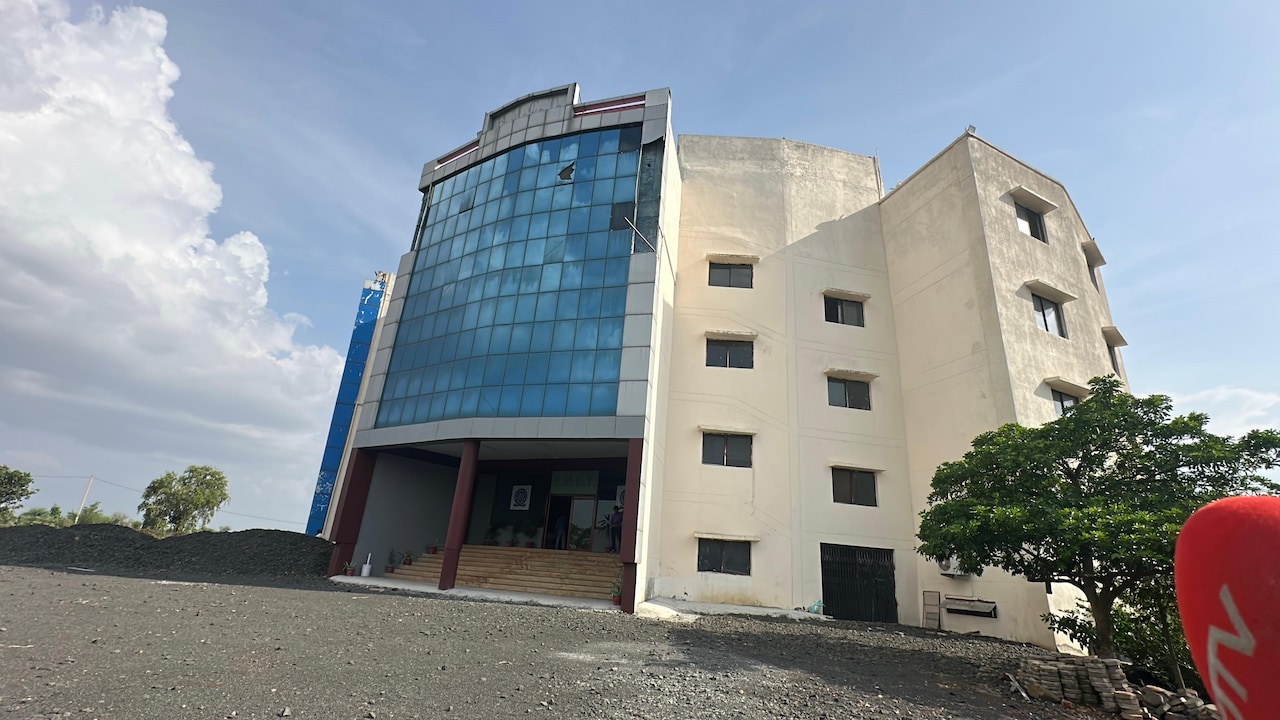
On the land parcel listed as Khasra No. 148/149/2/1, where Shri Ram College is shown as functioning, there was no college by that name. There were three structures nearby one building completely shut, another carrying the board of Millennium Group, and a third still under construction. Outside the premises, there was a board of Baglamukhi College. People present there said there was no institution called Shri Ram College operating from the campus.
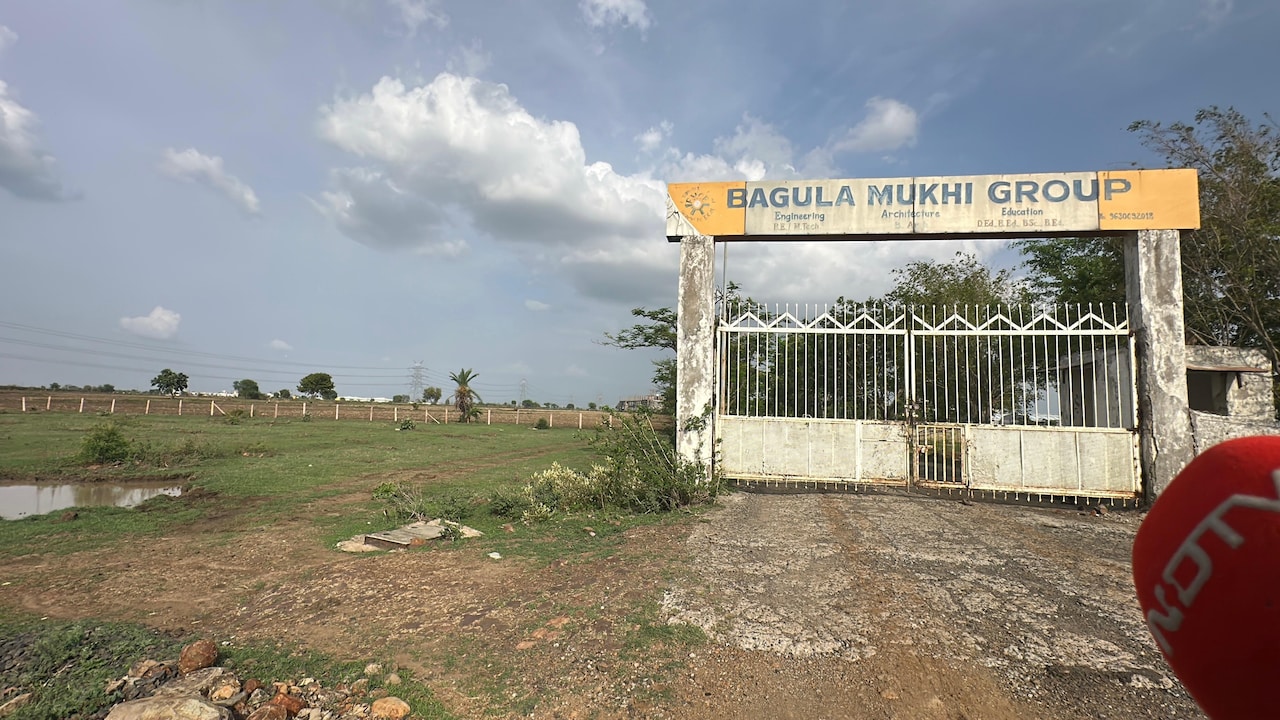
Baglamukhi College
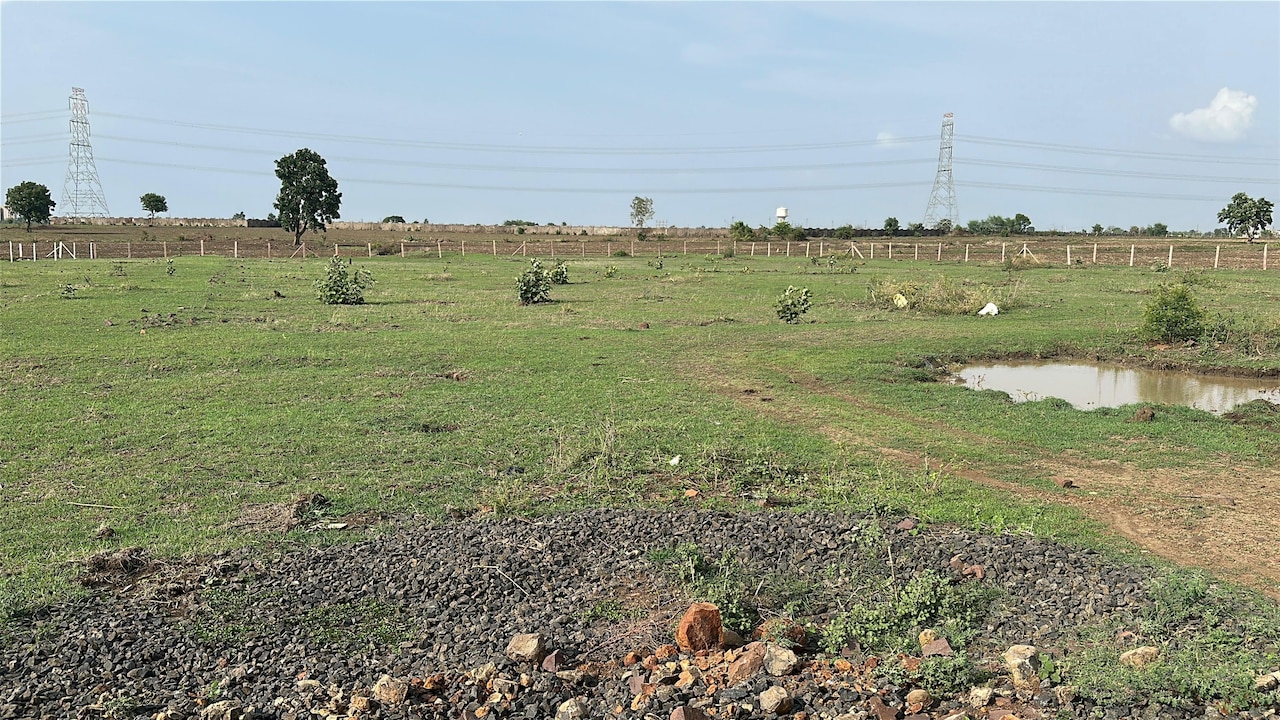
Right next to Baglamukhi College was a patch of land where, locals said, farming had been taking place. In the records, Shri Ram College was linked to Plot No. 148. On the ground, it looked like a field.
That is the first image of this investigation, a college in a farm, students on paper, classes on paper, examinations on paper, and degrees on paper.
And Mugaliya Kot is not the only address that raises questions.
On the same land cluster, NCTE records and documents show the presence of Baglamukhi College and Millennium College. However, according to the NCTE website, Baglamukhi College's address is listed as Plot No. 150/1, Mugaliya Kot. Shri Ram College, meanwhile, is recorded around Plot No. 148. On the ground, NDTV found that while Baglamukhi's board was visible, Shri Ram College which exists in records was not found at the declared location. People associated with the premises said Shri Ram College did not exist there.
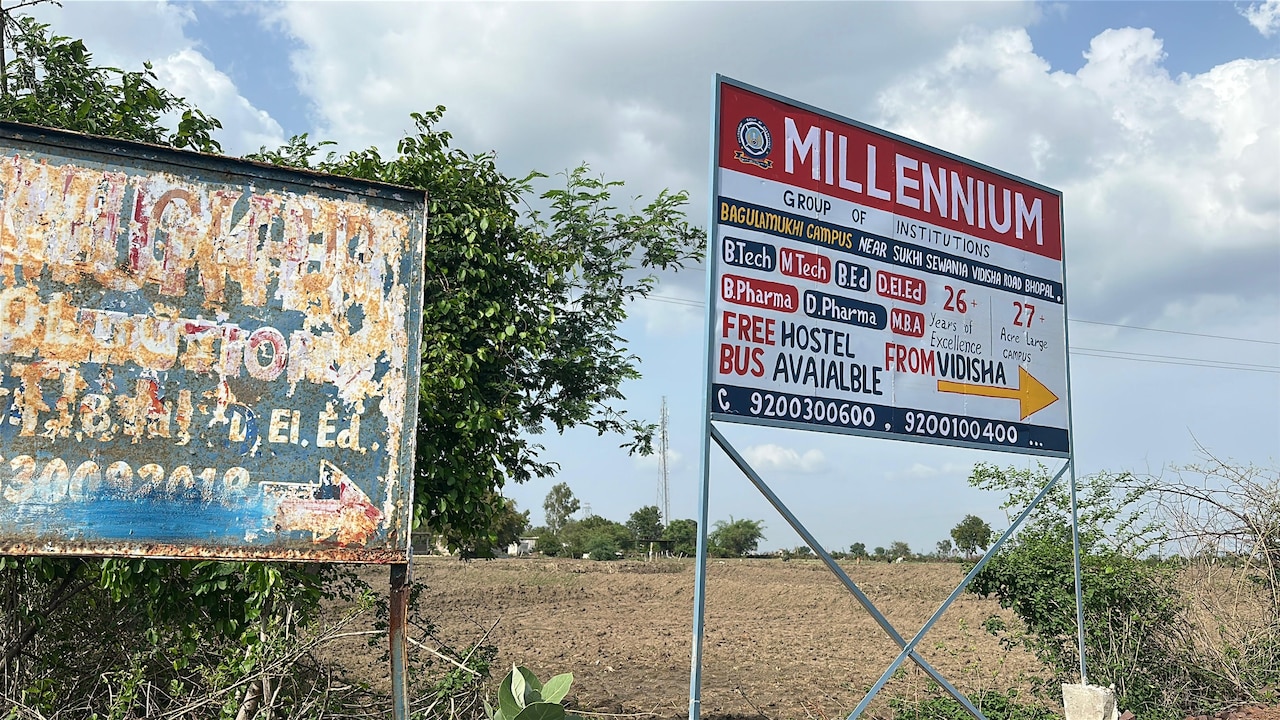
Millennium College
In other words, the question is not just about one missing college. It is about overlapping addresses, adjoining plots, multiple institutions and a regulatory system where the paper trail appears far more crowded than the ground reality. Still, students were admitted. Exams were held. Results were declared. Degrees were awarded.
The question is direct if the college did not exist at the declared address, who verified it, who granted affiliation, who allowed admissions, who permitted examinations, and who signed off on the degrees?
The paper trail gets darker when one moves beyond Mugaliya Kot.
In Bhopal's Bawadiya Kalan, NDTV visited Saviour College. The college was found running inside a school campus. In the same campus, there was also an office of a local residential society. The college management said the deficiencies pointed out by the university had been addressed.
Dr Preeti Shrivastava, Principal of Saviou College, said, "The improvements that were required, like some shortage of books in the library and journals, have been completed. Students do come, but not as regularly as they should. We have 16 faculty members. Around 100 students pass out in each batch."
That statement itself raises a serious question. If students in a teacher-training college are not attending regularly, what kind of teachers are being produced? B.Ed is not just a degree. It is supposed to be a professional training programme involving classrooms, practicals, practice teaching, laboratories, libraries and faculty supervision.
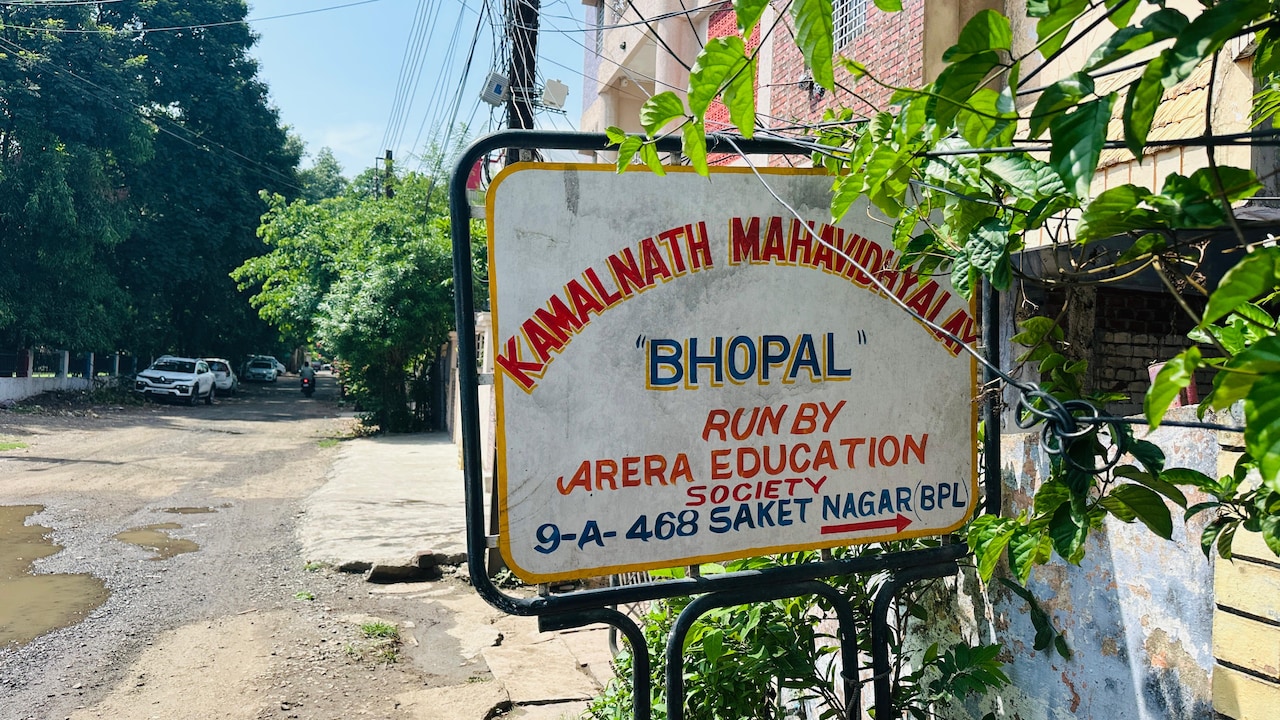
In Bhopal's Saket Nagar, NCTE documents show the address of Kamalnath BP.Ed College. When NDTV reached there, only one teacher was found in a room. She said the college was functioning from another location and that the NCTE and the university had already been informed about it.
Dr YP Singh, member of Arera Education Society, defended the institution's position. He said, "In 2015, we had applied for shifting, but the shifting report was not given. Last year, we came to know that the process had not been completed. So in 2025, we again informed the university and submitted a demand draft of Rs 1.77 lakh to the NCTE office in November 2025 for shifting. Our matter is under process. Our college is fully ready there. At this address, we have kept only one staff member to receive letters. Our entire staff, lab and facilities are there. We have been running since 2007. We have 100 students. We had a full lab, smart class and ground there. For practicals, students were taken by bus in the morning and then classes were held."
That is the management's defence that the college was in the process of shifting. But the question remains if the college was functioning somewhere else, what was the address officially recorded with the university? Were students informed? On what basis did regulators continue permission? Can a college admit students first and regularise its location later?
Another serious complaint alleges that a single building, a single plot or a single khasra number has been used by multiple institutions to obtain different recognitions. In some places, there is B.Ed affiliation from Barkatullah University, D.El.Ed recognition linked to the MP Board, and a school affiliation from CBSE all from the same or overlapping premises.
In other words one address, multiple boards, multiple courses, multiple claims. Now compare these ground findings with the documents of Barkatullah University.
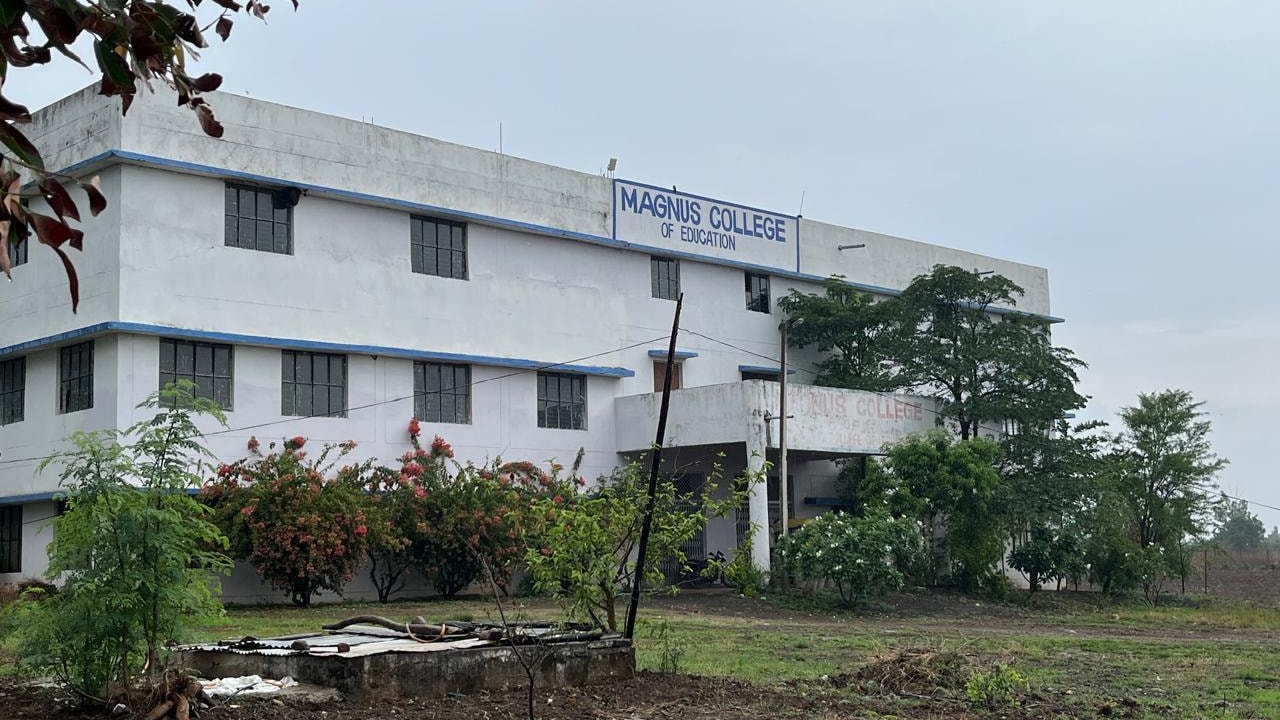
According to the university records, there are 129 B.Ed colleges under Barkatullah University 2 government colleges and 127 private colleges. On the direction of the Executive Council, inspections were carried out in these private colleges.
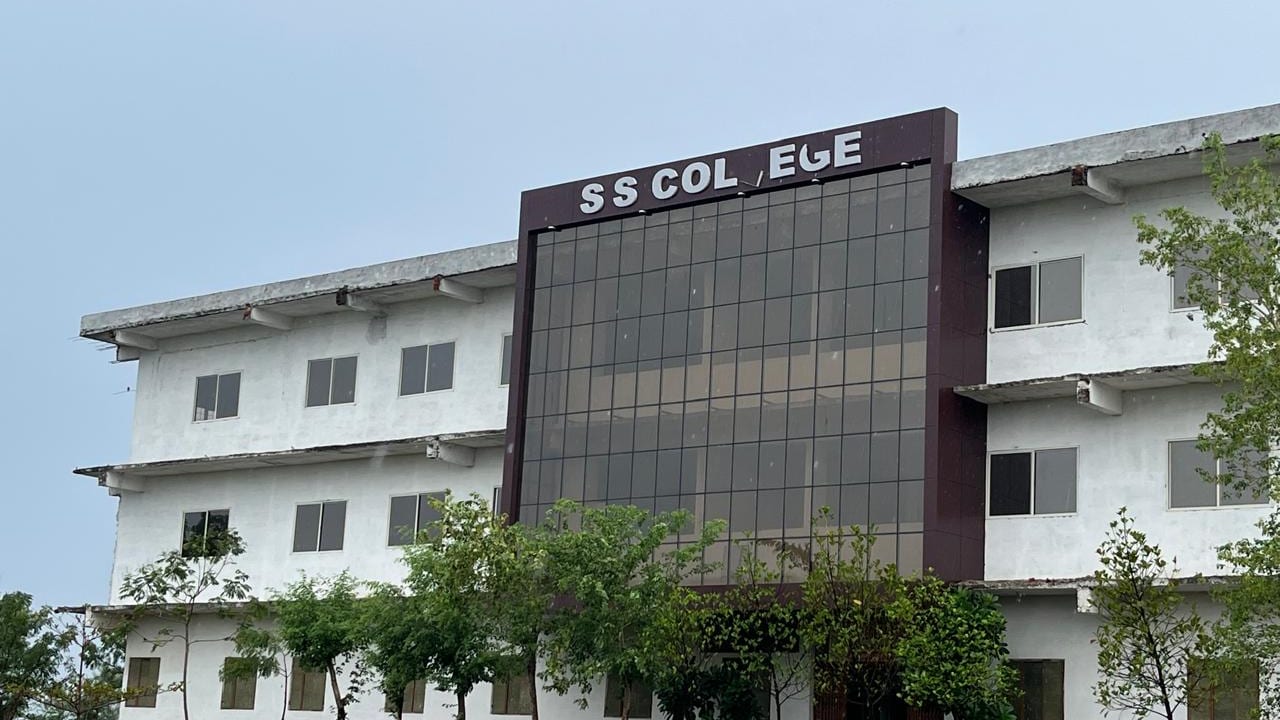
The inspection found deficiencies in 25 colleges. Five colleges had serious irregularities. Two colleges were not found at their registered addresses. Three colleges were found running B.Ed courses from locations different from the addresses registered with the university.
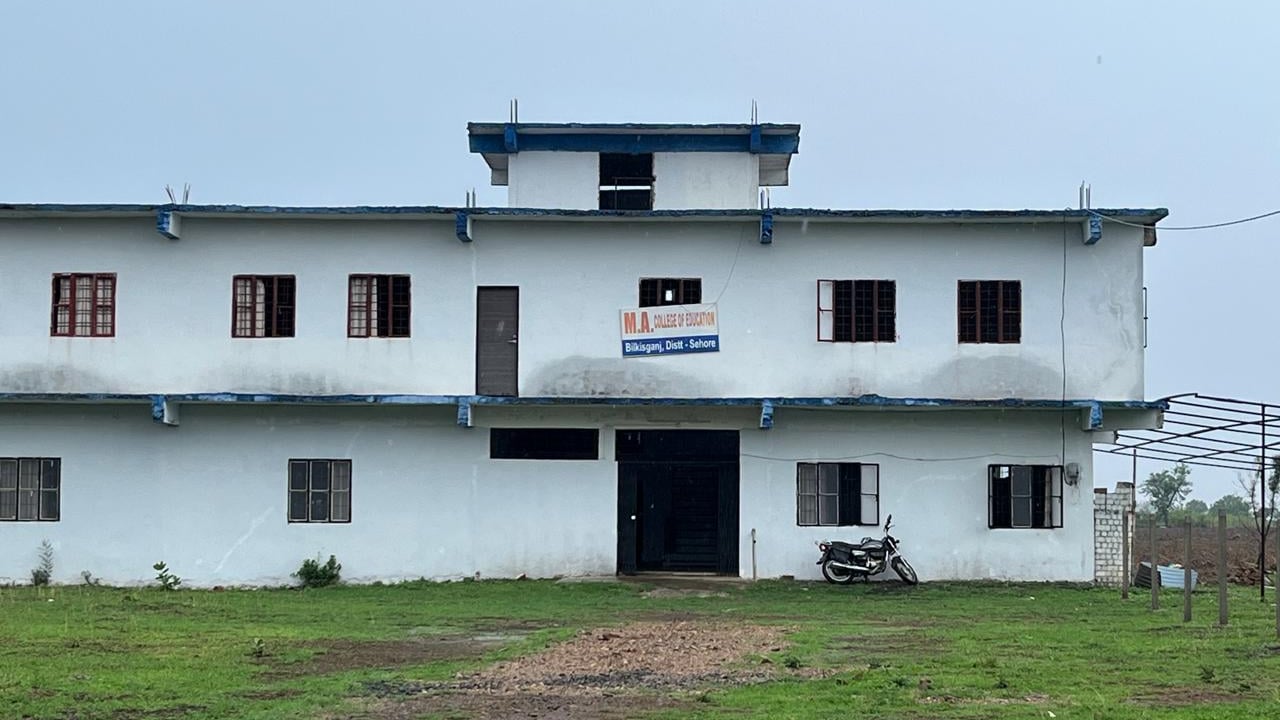
Despite these findings, the Executive Council, in its meeting on June 24, opened the door for conditional affiliation or continuation to 125 private B.Ed colleges on the basis of notarised affidavits.
The colleges were asked to submit affidavits declaring that they fulfil all norms prescribed by the NCTE. The decision says that if a future inspection finds violations, affiliation may be cancelled immediately. Students already admitted would be shifted to other affiliated colleges. Admission fees, tuition fees, examination fees and other costs would be recovered from the guilty college. The college could also be blacklisted for three years.
But the central question is this when inspections today show deficiencies, when colleges today are not found at their addresses, when today's inquiry raises questions about compliance, why allow admissions first and act later?
Can a notarised affidavit wipe out years of irregularities?
The controversy deepened further because of a note sheet linked to the Higher Education Minister. Documents accessed by NDTV show that Registrar Prof Samar Bahadur Singh's note sheet recorded that, on the minister's direction, the profiles of 82 B.Ed colleges were marked "OK" on the e-admission portal. This means the route to include them in the admission process opened before the formal approval of the Executive Council.
Executive Council members objected to this. A day after questions were raised, the same Executive Council agreed to grant conditional continuation to 125 colleges.
Prof Samar Bahadur Singh later gave his explanation. He said, "On the direction of the minister, a note sheet had earlier been moved to OK the profiles of 82 colleges. These colleges were clearly found fit in the inspection report. After that, other colleges were placed for the approval of the Executive Council."
But that explanation creates more questions. If the 82 colleges were found fit, why were they placed on the portal before Executive Council approval? If everything was according to rules, why did members object? And if there was no doubt about compliance, why ask for affidavits at all?
In the cases of Shri Ram College and Baglamukhi College, the Executive Council proceedings show a tougher position. According to the proceedings, affiliation will not be granted to Shri Ram College, Mugaliya Kot, Vidisha Road, Bhopal, and Baglamukhi College, Mugaliya Kot, Vidisha Road, Bhopal. A retired district and sessions judge will examine how students of these colleges were allowed to appear in examinations and pass despite the colleges allegedly not being found at the prescribed location. The inquiry will also fix responsibility at the university level and recommend legal action against the colleges.
But that brings the spotlight back to the system itself.
If a college was not at its registered address, who inspected it earlier? Who allowed admissions? How were examination forms accepted? Who gave permission for students to sit in exams? On what basis were results declared? And how were degrees issued?
NDTV asked Higher Education Minister Inder Singh Parmar about the matter. Asked how recognition was given when there was no land and no building, he said, "The university had formed a committee. That committee found deficiencies in some colleges and found arrangements proper in some. We told the university to form a committee again because some had already been given recognition. Therefore, all of them will be examined together again. We have taken affidavits. If the information given is found deficient, action will be taken."
Asked whether recognition was given after his note sheet, the minister said, "No, no. There is a time limit for admissions. The future of a child who wants to take admission should not be harmed. Affiliation for admission had to be completed within the time limit. The university did not do it. So, to ensure that students' future is not harmed, we said that affidavits should be taken."
The minister's argument is that the affidavit route was chosen to protect students' future.
But that argument leads to the biggest question of all can students' future be protected by allowing them into colleges that are under question, colleges where deficiencies have been found, or colleges that were not found at their registered address?
And if an affidavit is later found false, what happens to the students who have already paid fees, taken admission and begun their course?
The scale of the teacher-training business in Madhya Pradesh is not small. The state has more than 600 teacher-training institutions with over 58,000 B.Ed seats. Around 47,000 to 48,000 students take admission every year. Government colleges are few, and most seats are in private institutions. In many colleges, the annual fee is around Rs 30,000 or more. This is not just education it is a private education market worth crores.
Madhya Pradesh has already faced serious embarrassment over irregularities in nursing colleges. Now, the B.Ed and D.El.Ed ecosystem appears to be raising similar concerns. The difference is that in nursing colleges, the question was about patients' lives. Here, the question is about children's education and the quality of future teachers.
Three questions now stand out.
First, did the university grant affiliation and continuation for years without proper physical verification? Second, did the minister's note sheet, after which 82 colleges were placed on the portal, weaken the autonomy of the university's Executive Council?
Third, is allowing colleges with deficiencies into the admission process first and verifying them later really in the interest of students or in the interest of institutions?
Because by the time action is taken, another batch may have paid fees, taken admission and perhaps even walked out with degrees.
This is not merely the story of a few B.Ed colleges. It is the story of a system where a field can become a college on paper, a school campus can double up as a teacher-training institute, one land parcel can host multiple institutions in records, and an affidavit can be used to certify what the ground does not show.
The question in Madhya Pradesh is no longer how many colleges have deficiencies. The real question is this are the institutions meant to train future teachers teaching the state the most dangerous lesson of all that if the paperwork is strong enough, the ground reality does not matter?
Track Latest News Live on NDTV.com and get news updates from India and around the world

