





- PM Modi inaugurated the much-awaited Noida International Airport today
- It is equipped with a 3,900-metre runway for low-visibility op and a terminal for rapid passenger processing
- The runway is supported by an aeronautical ground lighting system, including approach and runway lighting
With a 3,900-metre runway equipped for low-visibility operations and a terminal designed for rapid passenger processing, the Noida International Airport is positioning itself to handle both winter fog disruptions and high passenger throughput as it prepares to begin commercial operations from next month.
Prime Minister Narendra Modi inaugurated the much-awaited Noida International Airport at Jewar, Uttar Pradesh, today.
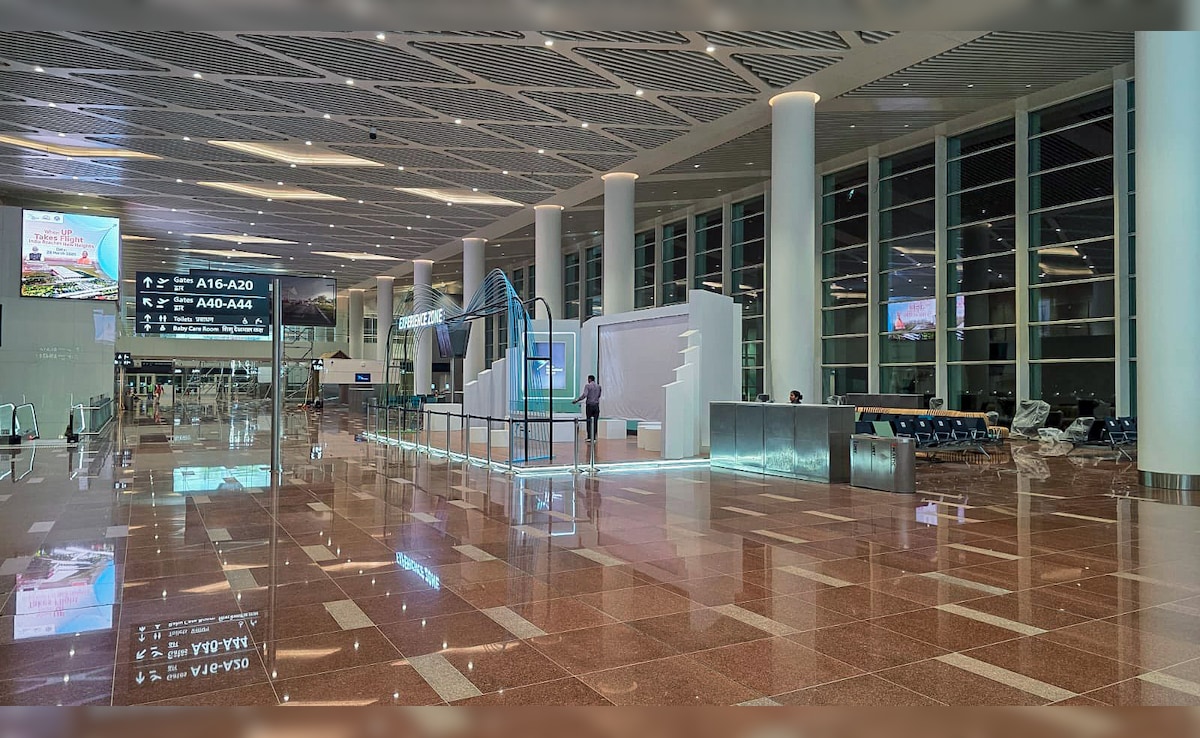
The airport received its aerodrome licence from the Directorate General of Civil Aviation in March 2026 with approval for "all-weather operations", indicating that the required Instrument Landing System (ILS), navigation aids, runway lighting and air traffic systems are in place to support aircraft movements during reduced visibility conditions common in the Delhi-NCR region.
The single runway at Jewar, designated 10/28, has been equipped with ILS at both ends, allowing aircraft to approach from either direction depending on wind conditions.
The system provides lateral guidance through the localiser, aligning the aircraft with the runway centreline, and vertical guidance through the glide slope, ensuring a stable descent path. These signals enable pilots to rely on cockpit instruments rather than external visual references during the final approach, which is critical during fog or haze.
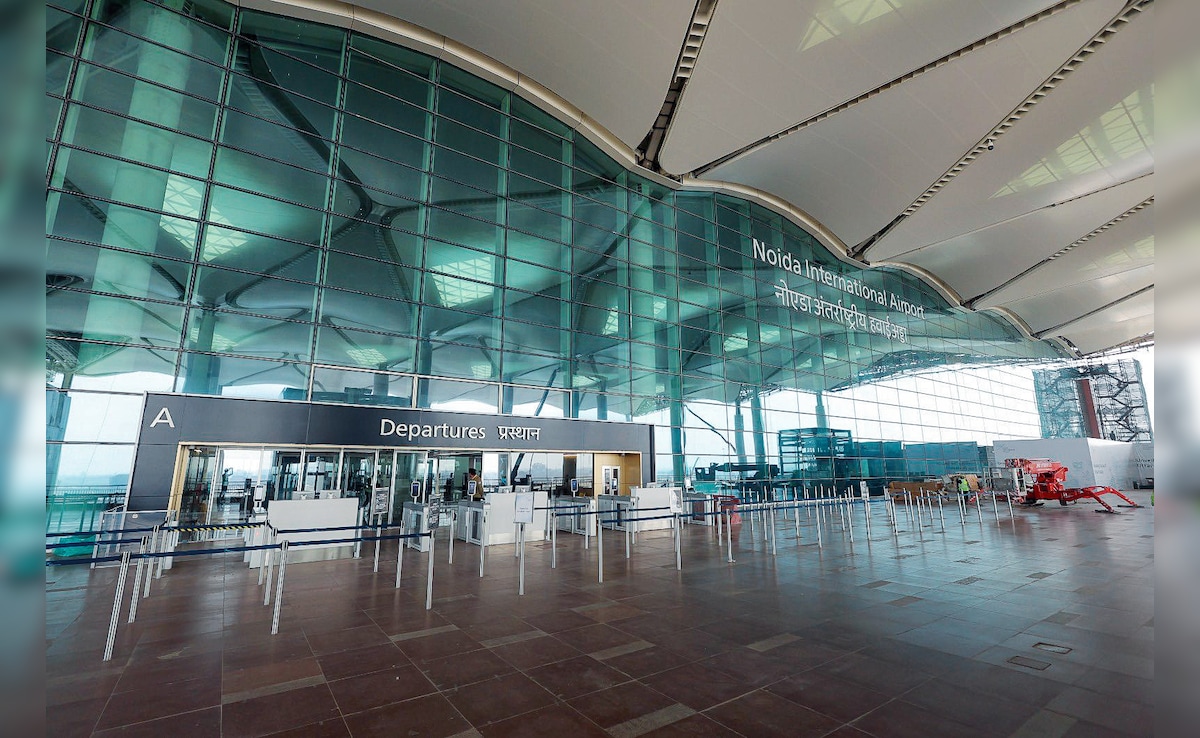
The ILS and associated navigation aids have undergone calibration flights and validation checks prior to certification, including testing of signal accuracy, alignment and integration with air traffic control systems.
The runway is supported by an aeronautical ground lighting system, including approach and runway lighting, which works in conjunction with ILS to facilitate operations in low visibility and at night.
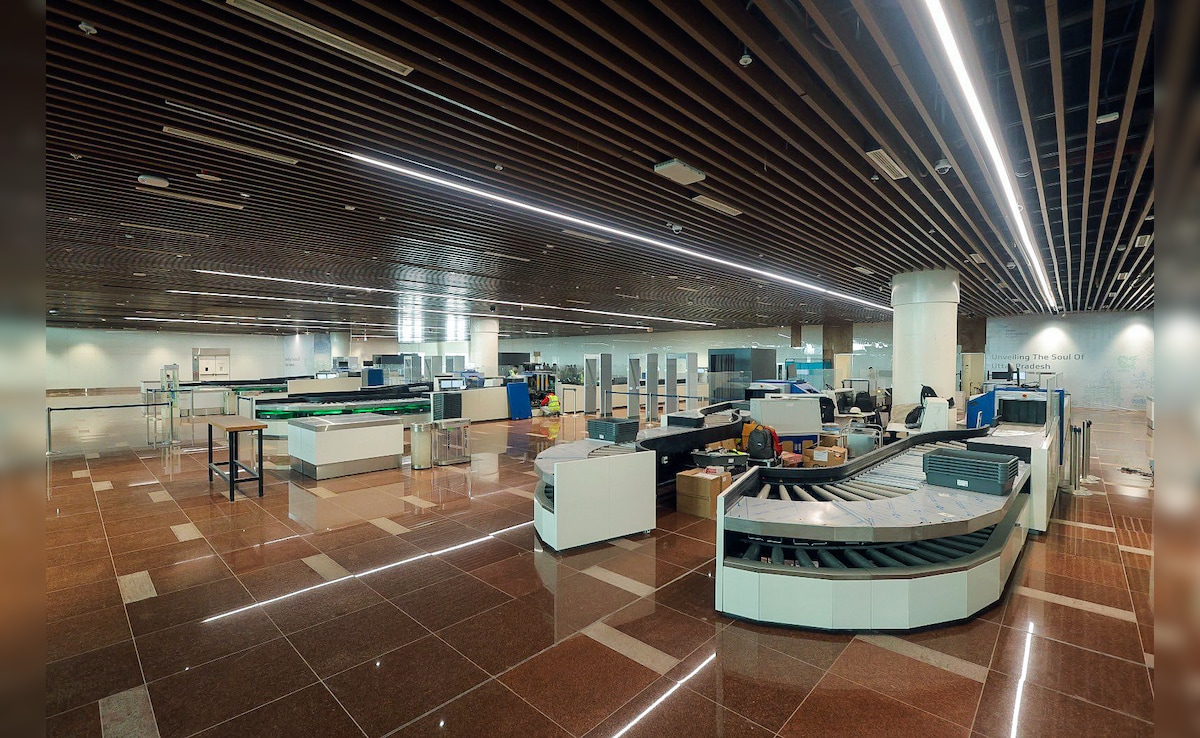
The "all-weather" classification granted as part of the aerodrome licence indicates that the airport is equipped to handle flight operations in varying weather conditions, including fog, subject to operational minima.
The exact ILS category, whether CAT I, II or III, has not been specified in official disclosures. This determines the minimum runway visual range required for landing. In comparison, the Indira Gandhi International Airport operates CAT III-B systems, allowing aircraft to land in very low visibility conditions, including dense winter fog.
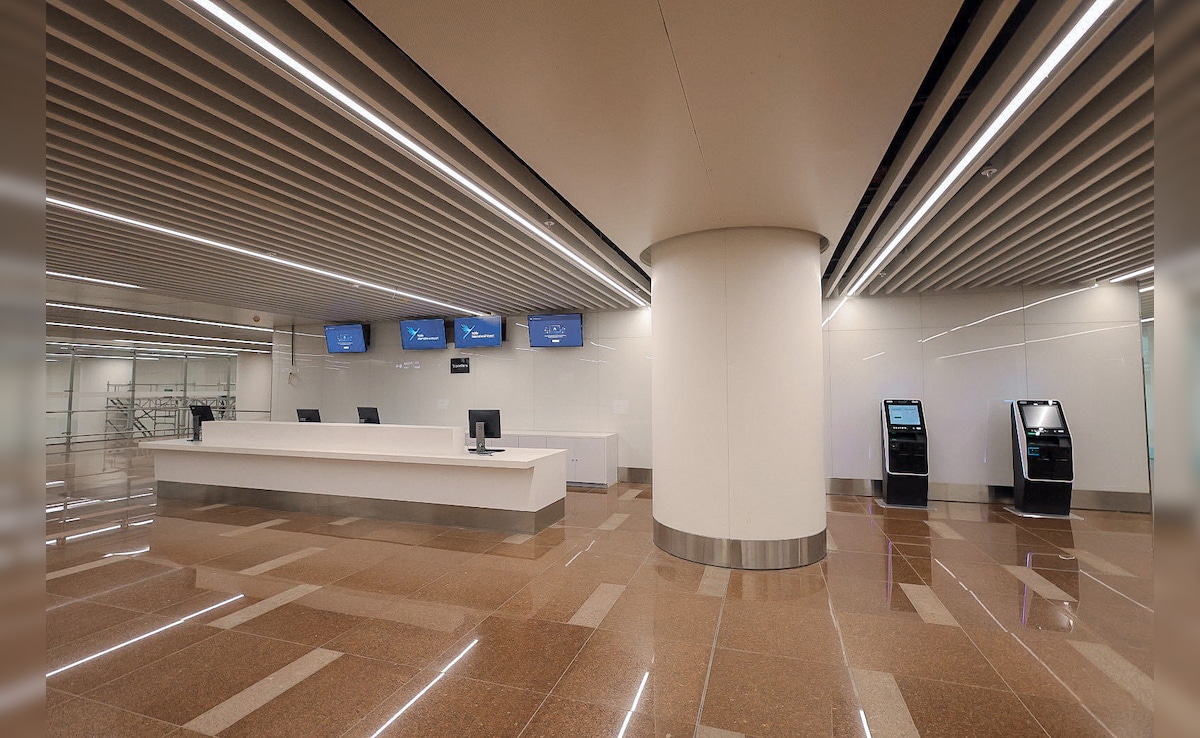
Alongside its airside capability, the airport operator has outlined a streamlined passenger processing model aimed at reducing time spent inside the terminal. The proposed 10-minute check-in and baggage-drop timeline is based on the use of self-service kiosks, digital processing and a terminal layout designed to minimise congestion and passenger dwell time.
The integration of a dual-end ILS-equipped runway, calibrated navigation systems particularly for the Delhi-NCR region where seasonal fog often leads to flight disruptions, is expected to position the Jewar airport as a second major airport for the region as high passenger volumes remain persistent challenges.
Track Latest News Live on NDTV.com and get news updates from India and around the world

