





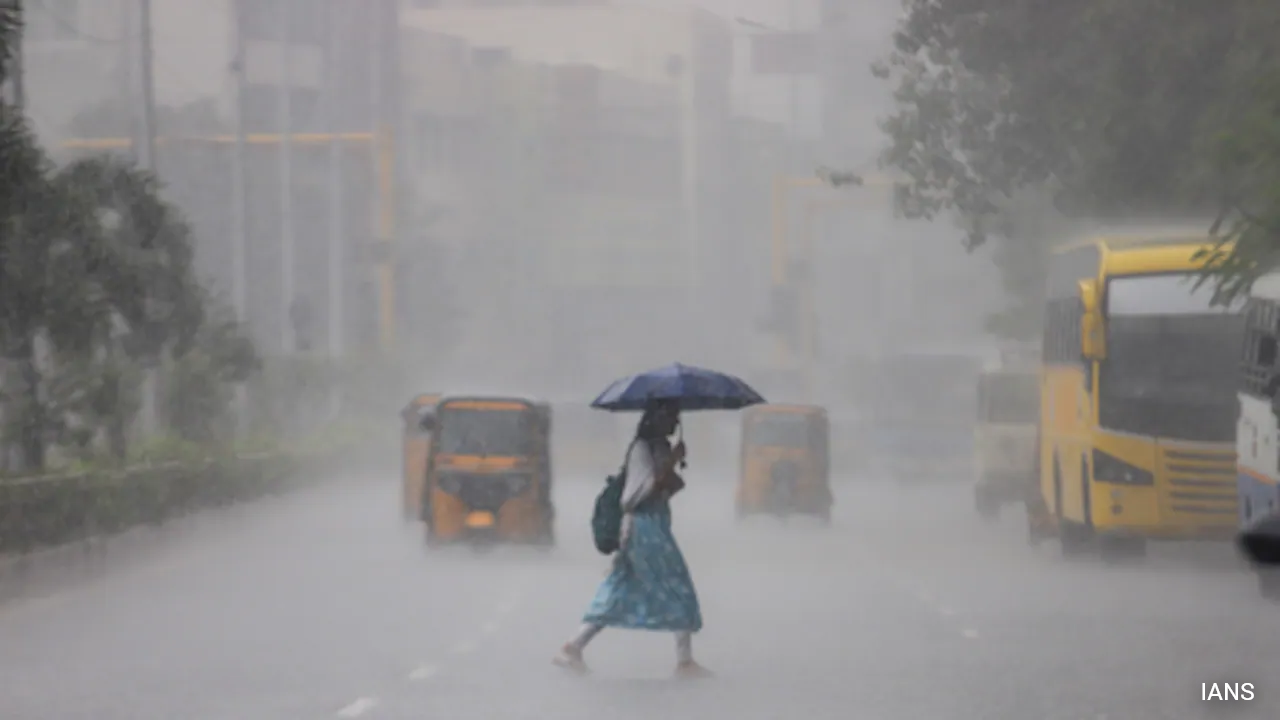
- Climate change has altered the Indian monsoon's pattern with increased extreme rainfall events
- India's surface air temperature rose 0.7°C from 1901-2018, impacting monsoon variability
- Multiple weather systems cause heavy rains, with climate change intensifying their effects
Over the past couple of years, we have seen the terms "climate change" and "global warming" mentioned an ample number of times in popular discussions. Synonymous with the larger public, the implications of these terms are impossible to ignore. Experts suggest that in recent years, the landscape of the Indian monsoon has shifted. From welcome relief to disruptive rain, the country's monsoon calendar now sees uncertain spots.
From the west coast to the central plains, states like Maharashtra, Kerala, and Gujarat are repeatedly hammered by episodes of extremely heavy rainfall. Often, we see roads turn into pools of water, trees collapse, and traffic come to a complete halt. All these instances point to a single question: Is climate change or global warming rewriting the country's weather map?
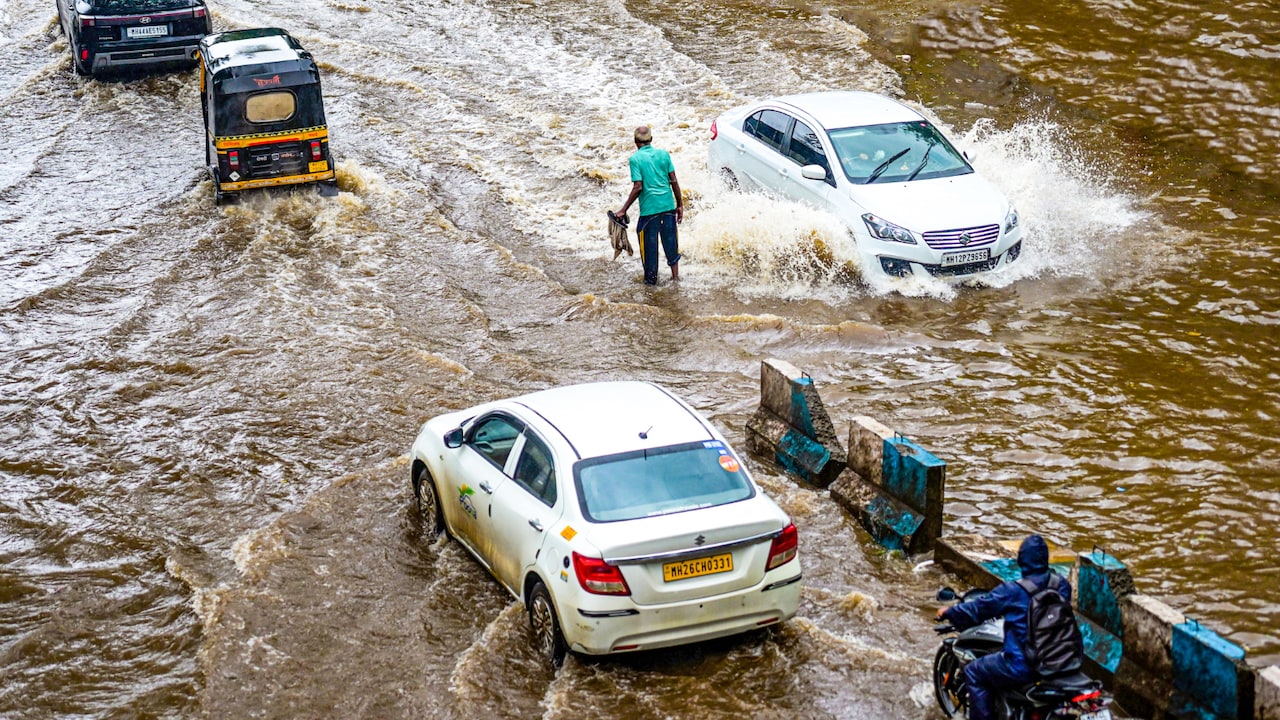
But the answer is not so simple and is coupled with many nuances that are integral to understanding it.
The Climate Change Admission
Climate change is a phenomenon that has been acknowledged not just by environmentalists and scientists but also by citizens and governments alike. Responding to a parliamentary question on climate change, the Union government noted that weather changes were the result of climate change.
Data from the Ministry of Earth Sciences report titled "Assessment of Climate Change over the Indian Region" said the complex interactions within the Earth system, exacerbated by a warming environment, "have contributed to increases in the frequency of localised heavy rainfall events, the occurrence of droughts, and the intensity of tropical cyclones over the past few decades."
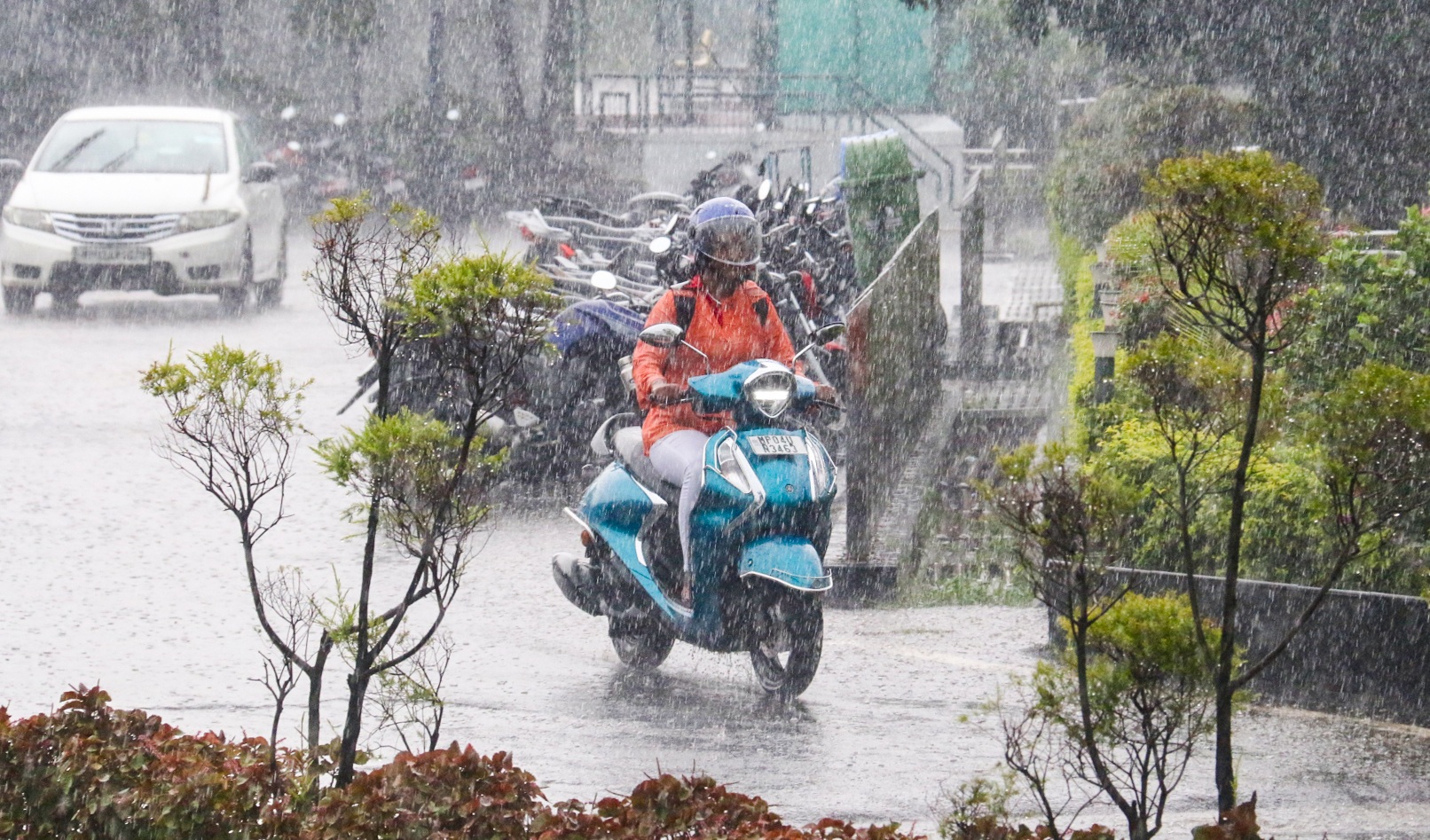
Further, the report states that amid global warming, the surface air temperature over India has risen by about 0.7 degree Celcius from 1901-2018, and the sea surface temperatures in the tropical Indian Ocean have increased by about 1 degree Celcius from 1951 to 2015. This has led to increased monsoon variability, extremes, and other shifts. Regions such as Central India, northern India, and the Western Himalayas have experienced a rise in extreme precipitation events.
Weather Systems or Climate Change?
While long-term trends point toward climate change, naming it as the singular trigger for a specific week of torrential rain can be misleading.
Meteorologists emphasise that immediate weather systems are the primary drivers of individual downpours. Mahesh Palawat, Vice President of Meteorology & Climate Change at Skymet Weather, delinks the direct causation of the current rain directly from global warming and climate change.
Palawat said, "The extremely heavy rainfall over Maharashtra and Gujarat is the result of multiple weather systems. A depression developed over Odisha and was moving inland towards Madhya Pradesh across Chhattisgarh. Additionally, a cyclonic circulation was over the East Central Arabian Sea and adjoining North Maharashtra at 5.8 km above mean sea level. The seasonal trough was also running along the 21-degree latitude between 3.1 and 7.8 km above mean sea level."Palawat noted that multiple weather systems are responsible for this extremely heavy rainfall.
However, Palawat also acknowledged that while climate change might not be the direct cause of these specific atmospheric configurations, it serves as an intensifier.
"Due to rising temperatures and the increase in greenhouse gases, the capacity of air to hold moisture is increasing. This has resulted in the formation of thunderclouds with an enormous vertical extent. These clouds are capable of giving heavy to very heavy rain, sometimes even cloudbursts," Palawat adds.
Echoing similar sentiments, environmentalist Siddhant Sarang said, "Climate change rarely reveals itself in a single week of rain in an obvious way, but the pattern behind this fits closely with what Indian climate data has been showing for years. Research tracking India's west coast, including Gujarat, Maharashtra, and Kerala, has found a clear rise in extreme rainfall events over the past few decades, even though the overall seasonal rainfall in these regions has stayed fairly similar."
Reflecting on the pattern that the spells have adopted, Sarang spoke about the rise of extreme weather events. "The shift is not really about more rain falling through the season; it is about the same rain arriving in shorter, far more intense bursts, with longer dry stretches in between. That pattern, more intensity packed into less time, is exactly the kind of signature a warming climate is expected to produce."
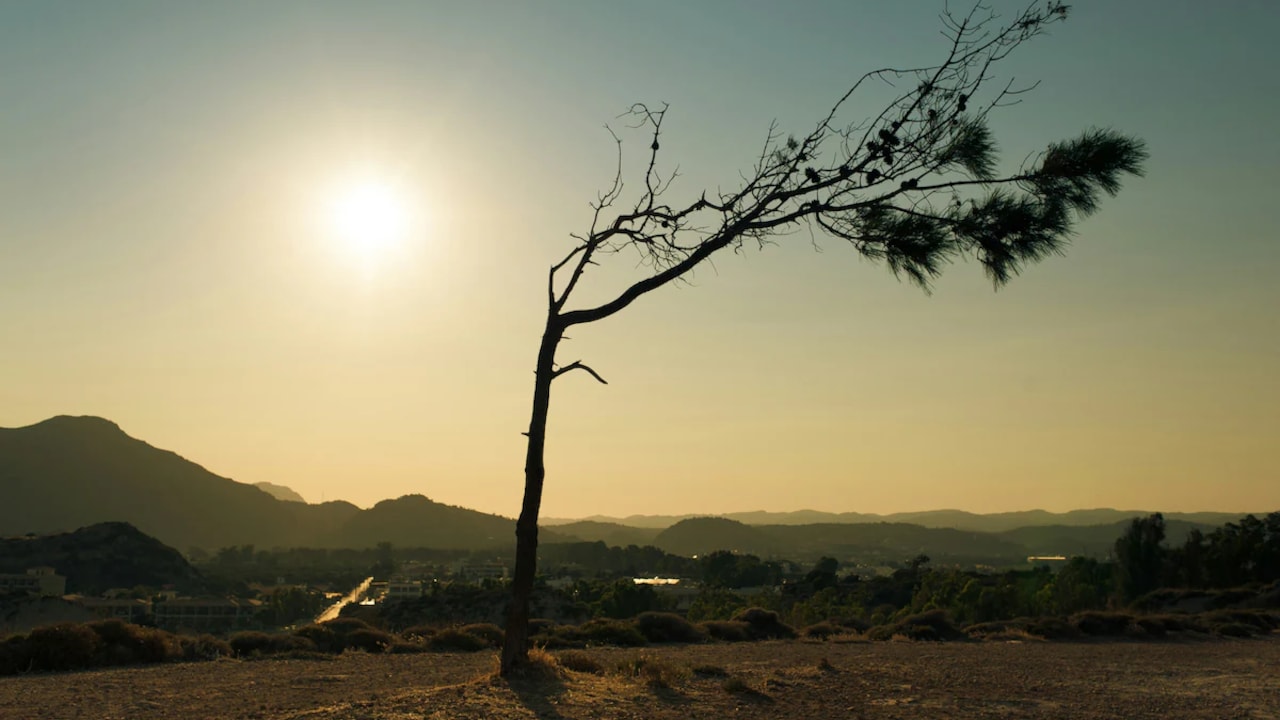
Adding on, Sarang said, "There is also an effect this year, which tends to push the monsoon toward an uneven distribution, heavy in some pockets, dry in others, like what we are seeing in Delhi right now. Now the matter is whether our disaster preparedness can keep pace with rain that behaves this differently."
The Changing Pattern of the Monsoon
Experts note that the process of global warming and climate change is a massive phenomenon occurring over a long period of time. To study a single event as a direct consequence of it may be an unfair assessment, as it requires one to look deeply into the difference between seasonal weather systems and climate. Besides, the question isn't simply about India getting more rain over the monsoon period, but rather how this rainfall is delivered to Indian states.
As Maharashtra sees heavy downpours, Pune-based environmentalist Hema Chari explains that this unpredictability is precisely what scientists have long predicted.
"Rainfall pattern changing is the biggest concern. We're increasingly seeing longer dry spells interrupted by short periods of very intense rainfall. This is consistent with what scientists have been warning about for decades. As the atmosphere warms, it can hold about 7% more water vapor for every 1degree Celcius rise in temperature, making extreme rainfall events more likely."
Chari further notes that such incidents are not isolated phenomena. "In recent years, we've witnessed repeated episodes of extreme rainfall and flooding across Kerala, Himachal Pradesh, Uttarakhand, Maharashtra, and Gujarat. While each event has its own meteorological causes, together they reflect a broader pattern that is consistent with what climate scientists have projected for a warming world."
The Cost of "Development"
Often, in the push for modernisation, the boundaries that nature requires us to maintain get breached. But we frequently forget that encroaching upon nature's territory comes with serious consequences and results in compounding the severity of natural events.
Veena Maruthoor, an environmentalist from Kerala, captures the underlying crisis bluntly. "Humans are in a mad race for development schemes. We take the environment for granted. No country is an exception. We breach the highest, hottest days every year. Leaders breed in the comfort of schemes and do not know what is happening. Natural ecosystems are getting eroded, triggering global warming, with humans acting as the catalysts."
Muratharoor points out a larger concept contributing to the change. "Our local climate is changing and must be looked at. Cutting down trees increases local temperatures, impacting rains directly. Rains that would fall in a regulated way in Kerala now come rushing down. Shortly after heavy rains, we see a harsh sun, thereby indicating a stark difference."
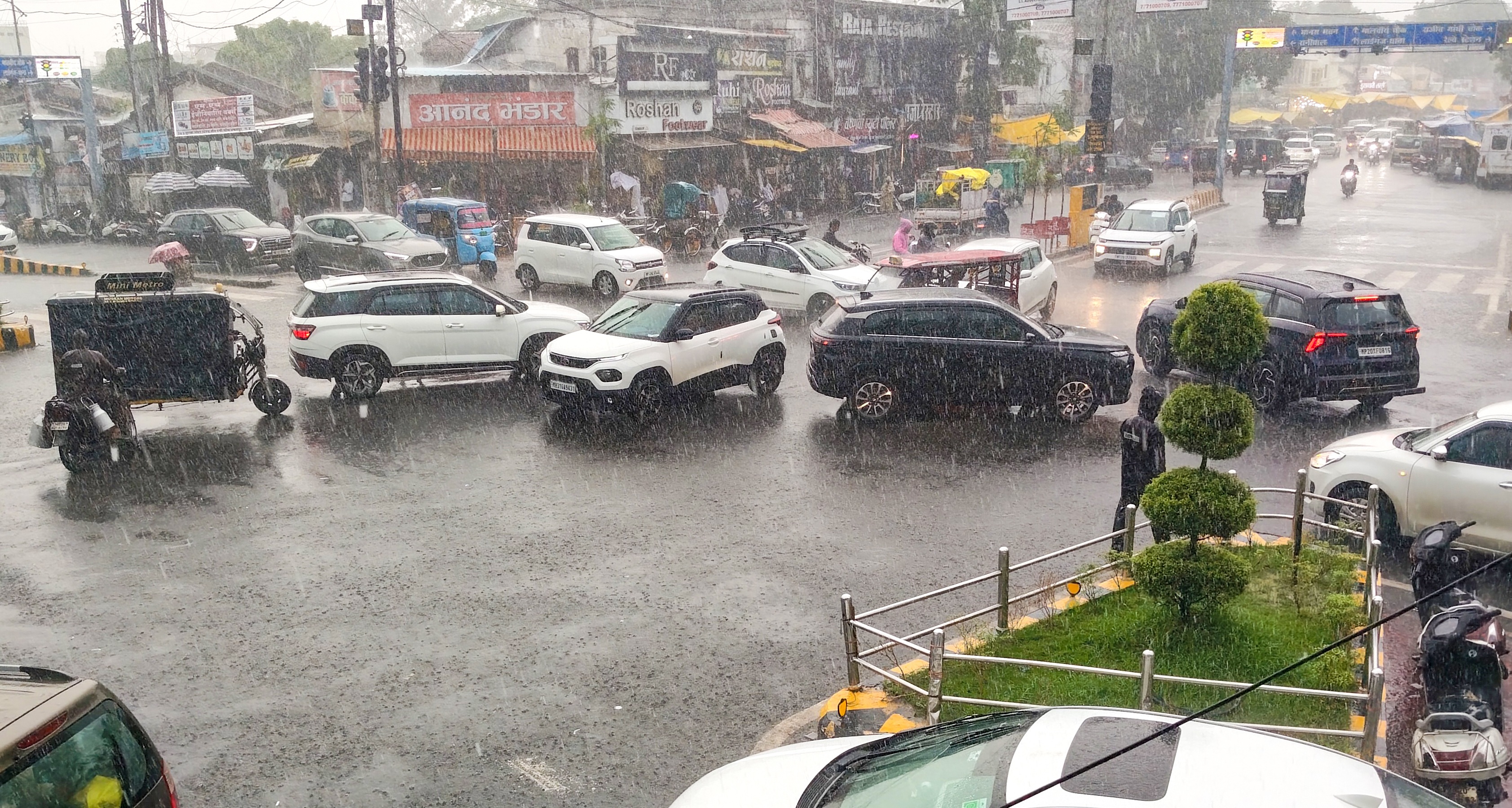
Experts warn that a disregard for local ecology is what is contributing to this change. They warn that when natural topography is modified without climate foresight, cities lose their innate capacity to handle sudden water.
Reflecting on a similar idea, Arghyadip Hatua, a walkability and urban policy advocate based out of Gujarat, says, "In cities like Ahmedabad, we're seeing the combined impact of climate change and rapid urban growth. Too much concrete, fewer trees, and the loss of open spaces make the city much hotter during summer. When there is very heavy rain, water has fewer places to drain naturally, leading to flooding and waterlogging. We need more green spaces, better drainage, and smarter city planning to deal with these changing weather patterns..."
Preparing for a Better Tomorrow
To nobody's surprise, experts link climate change to human activities. Recurring floods and poor management reflect the detachment our urban engineering systems still have from the country's environmental realities. Infrastructure, experts argue, must be built keeping climate volatility in mind.
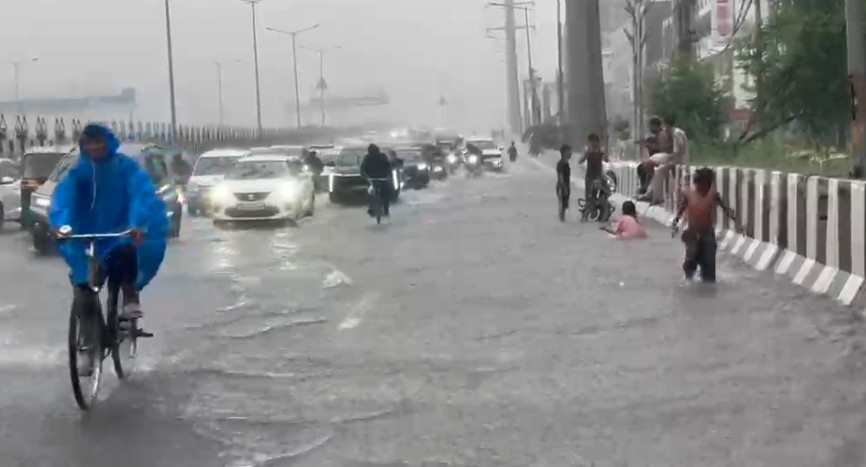
Environmentalist Hema Chari reflects on this very idea. Chari points out that building resilience requires moving away from treating natural ecosystems as empty real estate.
She maintains, "We have weakened our natural infrastructure. Wetlands, floodplains, forests, and natural drainage channels together act like nature's sponge. They absorb, store, and slow down rainwater before it reaches our cities. When these ecosystems are lost in the name of development, even a few hours of intense rainfall can overwhelm urban areas. We often think of wetlands and floodplains as vacant land waiting to be developed. In reality, they are part of our flood protection system."
Reflecting on the need for climate-resilient infrastructure, Chari noted, "The recent flooding and disruptions across Maharashtra are a reminder that the climate is changing faster than the way we plan our cities. Roads, bridges, tunnels, and drainage systems need to be designed not just for the climate we grew up with, but for the climate we're living in today and the climate we'll face tomorrow."
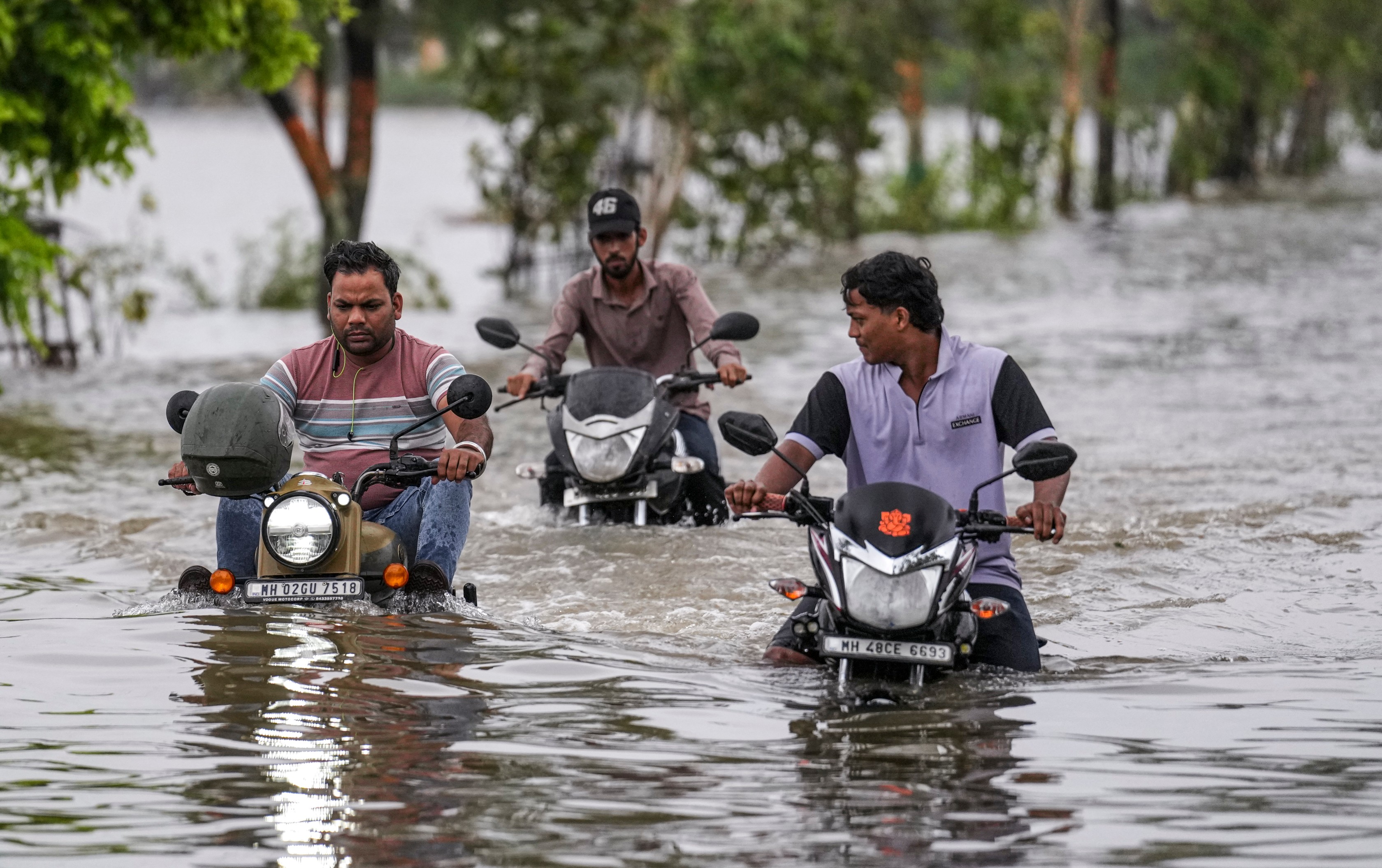
Ultimately, climate change may be redrawing the country's weather map for the long run. As weather patterns become more volatile, experts argue that the solution lies in adapting our cities better so as to manage the crisis at hand and to mitigate any further chances of such crises occurring.
Track Latest News Live on NDTV.com and get news updates from India and around the world

