





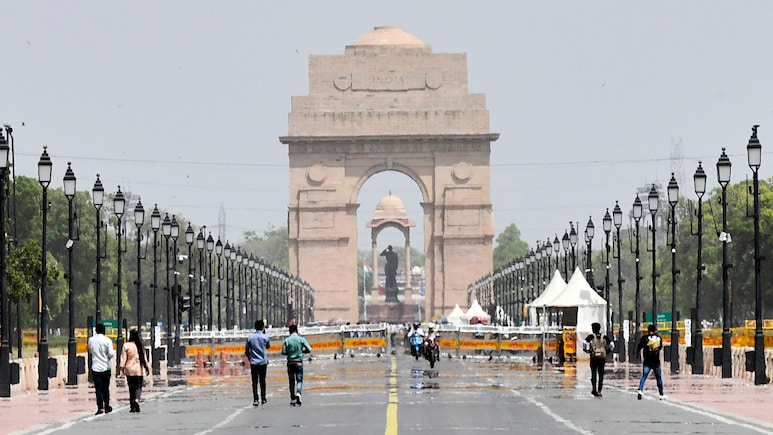
Residents across Delhi and the National Capital Region (NCR) can breathe a little easier today. After a difficult stretch where the Air Quality Index (AQI) hit 380 yesterday, strong winds and improved weather conditions have brought much-needed relief.
By 4 PM on January 2, 2026, the AQI in Delhi dropped significantly to 236, signalling a clear downward trend. This positive shift prompted the Commission for Air Quality Management (CAQM) to take immediate action. After reviewing forecasts from the Indian Meteorological Department (IMD), the subcommittee decided to revoke all restrictions under Stage III of the Graded Response Action Plan (GRAP) across the entire NCR.
What Changes With Stage-III Revocation?
Stage-III measures are typically triggered when the AQI reaches the "Severe" category (401-450). Lifting these restrictions means:
Construction & Mining: Most construction projects, stone crushers, and mining operations can resume.
Transport: Restrictions on older vehicles are eased.
Education & Work: Schools that shifted to hybrid modes and offices with attendance limits can return to normal operations.
While this offers significant relief to industries and daily commuters, the CAQM clarified that the region is not entirely in the clear.
Stages I And II Remain In Effect
Restrictions under Stage I (Poor) and Stage II (Very Poor) remain fully active and must be strictly enforced. These include:
Regular dust control at construction sites.
Mechanised road sweeping and water sprinkling.
Strict bans on open waste burning.
Enhanced checks on vehicle emissions and promotion of public transport.
Agencies across Delhi, Haryana, Uttar Pradesh, and Rajasthan have been directed to monitor these measures closely to prevent air quality from slipping back into dangerous levels.
The CAQM emphasised that construction sites or industries previously closed due to specific pollution violations cannot automatically restart. These offenders require explicit permission from the Commission before resuming work.
With winter weather often trapping pollutants near the ground due to low temperatures and calm winds, the CAQM urged citizens to remain cautious. The public is encouraged to follow the "Citizen Charter," which includes maintaining vehicles, avoiding idling at traffic signals, and using public transport or carpooling.
The subcommittee will continue to monitor the situation daily, but for now, the revocation offers a hopeful and cleaner start to the new year.
Track Latest News Live on NDTV.com and get news updates from India and around the world

