





- The government defends social media crackdown as a fight against deepfake threats
- Minister Vaishnaw highlights rise in deepfake content and increased takedown efforts
- Congress and digital rights groups allege growing digital censorship and lack of transparency
The Centre's recent crackdown on social media content has intensified debate, with the government defending the move as necessary to tackle the growing menace of deepfakes, while opposition parties and digital rights groups allege rising censorship.
Union Information and Broadcasting Minister Ashwini Vaishnaw said that the rapid evolution of artificial intelligence has led to a surge in deepfake content across social media platforms globally.
"A huge quantity of deepfakes has started pouring into the social media world. It is a new menace and a new threat for the society," Vaishnaw said, adding that governments and platforms alike have significantly ramped up efforts to curb such content. He noted that social media companies have "almost doubled or tripled" their takedown actions in response to the rise in deepfakes.
Emphasising the broader impact, the minister said countering such threats is "very, very important for society, for every individual and for institutions."
However, the crackdown has also drawn scrutiny after several accounts, including those critical of the government, were blocked or restricted.
Blocking orders were issued to at least 12 accounts on March 18 under Section 69A of the IT Act on X. These include drnimoyadav, Bhavika Kapoor, Ashok Swain, @Nher_who, @ActivistSandeep, @mrjethwani_, @indian_armada, @Doc_RGM and @DuckKiBaat, among others.
Fact-checker Mohammed Zubair also received a blocking order around the same time for one of his posts.
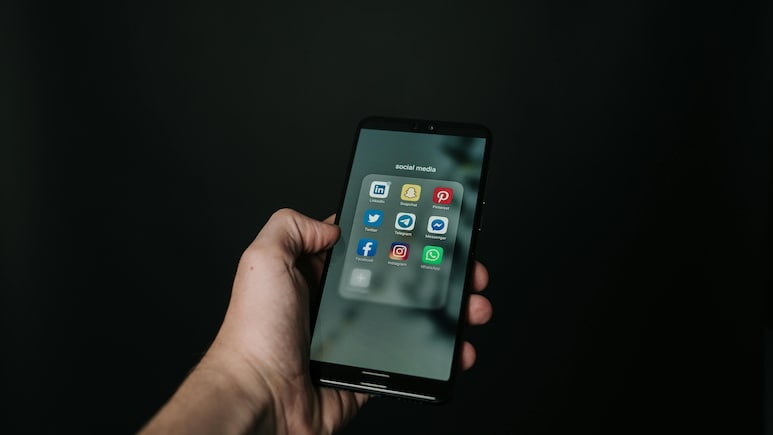
The action has extended to platforms like Facebook and Instagram as well, where accounts of news outlets and satirical pages such as Molitics and National Dastak were reportedly withheld following government orders.
The Congress criticised the move, alleging that the government is increasingly using legal provisions to control online discourse. The party claimed that YouTube channels are being demonetised, Instagram accounts banned, and content across platforms removed, calling it a "new trend" of digital censorship.
It further alleged that authorities are moving beyond blocking individual posts to restricting entire accounts using Section 69A.
The Internet Freedom Foundation (IFF) has said that many takedown orders provide "little or no explanation" and appear to target "political, satirical, or critical" content, rather than clearly unlawful material. IFF has urged the government to ensure transparency, including timely notice, clear grounds for blocking, and accessible legal remedies for affected users. It has also offered assistance to those seeking to challenge such orders.
The government on Monday proposed a draft amendment to the IT Rules, 2021, that would allow takedown notices to be issued to independent news creators for content published on digital platforms. Under the proposal, the Ministry of Information and Broadcasting can recommend blocking orders and direct creators to apologise or modify their content if an inter-departmental committee finds them at fault based on complaints received.
Track Latest News Live on NDTV.com and get news updates from India and around the world

