





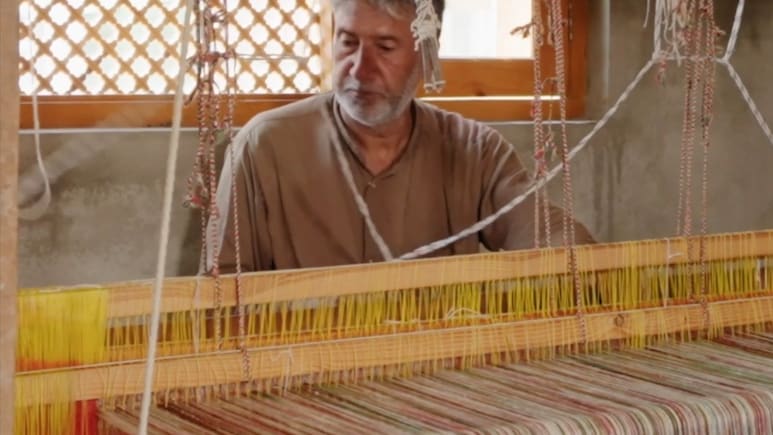
In quite weaving looms of Kashmir, producing some of worlds most intricate hand made shawls, delicate threads are again holding out a hope. After India-US trade deal and US decision to bring down tariffs on Indian goods to 18 percent, Kashmirs handicraft sector is excited to resume exports that were badly hit by crippling 50% tariffs.
Traders say United States has long been a high-end market for Kashmirs traditional handicrafts, accounting for about 30 per cent of total exports. Heavy US tariffs imposed last year had a direct bearing not only on exports but thousands of artisans as well.
Kashmir's craft sector is labour intensive with 80 percent of cost goes into the wages of weavers who take months together to make handmade shawl. After crippling high tariffs, orders dried up. Consequentially, thousands of artisans were impacted.
"For last six months, Tariffs on our products were as high as 50%. So exports to US have come to a halt. This was directly hurting Kashmiri artisans whose livelihood depends on handicrafts," said Mujtaba Kadri, a leading Cashmere exporter.
"With new deal we are hoping that reduced tariffs of 18% which are comparable to Europe, the demand will return. Increase in demand means higher exports, newer orders and job creation. This will bring lot of relief to artisan families which in turn will help preserve traditional crafts for the future," he said.
For centuries, secret behind Kashmirs elegant Pashmina shawls isfine spinning by women. It further goes to master artisans for weaving. For making some shawls with intricate work, it takes months and even a year to an artisan to complete a shawl.
There are over 3 lakh artisans associated with handcarts. It's not just a livelihood but also preserving an age old cultural legacy of Kashmir.
Jammu and Kashmir Chief Minister Omar Abdullah says due to high US tariffs many exporters were about to close their business and reduced tariffs will help exports.
"Reduced tariffs will help our exports, it's a good step. Many our exporters were facing hard times and some were thinking closing their business. Now with reduced tariffs, we hope they resume their business," said Mr Abdullah.
Abdullah, however, is concerned about impact of trade deal and allowing US agricultural products into India and its adverse impact on Kashmirs horticulture sector which is backbone of Kashmirs rural economy.
Track Latest News Live on NDTV.com and get news updates from India and around the world

