





- Residents cannot be barred from using amenities due to smaller flat size or lower maintenance fees
- Maintenance charges vary by flat size, but rights to common facilities remain equal for all owners
- Common amenities include pools, gyms, parks, lifts, and security infrastructure shared by all residents
Imagine paying your monthly maintenance bill on time, only to be told you cannot use the gym, swimming pool or clubhouse because your flat is smaller than your neighbour's.
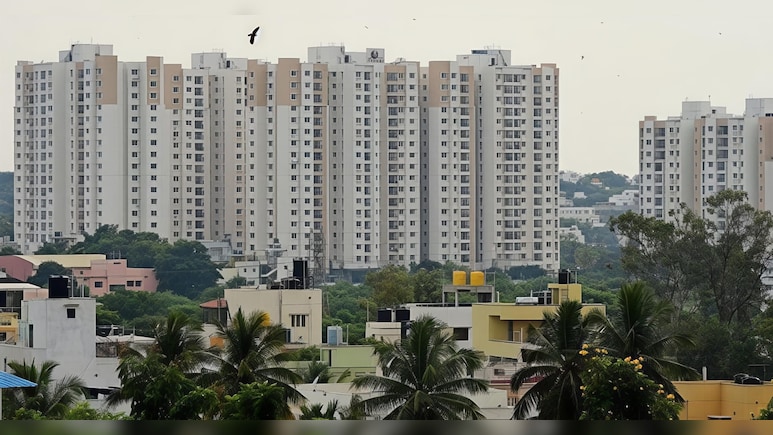
The question has sparked a wider debate after a Bengaluru resident claimed that his housing society barred 1-BHK residents from using common amenities even though they paid maintenance charges as per the society's rules.
So, can a housing society legally deny access to common facilities because someone pays lower maintenance?
Legal experts say the answer is, in most cases, no.
Maintenance Amount May Differ, Rights Usually Don't
Across India, apartment laws differ from state to state. Most states have their own Apartment Ownership Acts or Cooperative Societies laws. But one principle remains largely consistent.
Maintenance charges can legitimately vary depending on the size or super area of a flat. That is because larger apartments typically have a higher undivided share in the property and contribute more towards common expenses.
However, that financial calculation does not automatically create different classes of residents when it comes to using common facilities.
Kshitij Bishnoi, Partner at CMS INDUSLAW, says housing societies cannot create "tiered citizenship" based on maintenance payments.
"As a matter of law, housing societies cannot restrict a resident's access to common amenities simply because they live in a smaller flat or pay lower maintenance charges. While state apartment laws and society bye-laws often permit maintenance fees to be calculated based on flat size or carpet area, that calculation is purely financial-it doesn't create 'tiered citizenship' within a society.
Common facilities like lifts, security, open spaces, and clubhouses are owned jointly by all flat owners as part of their undivided interest in the property. RWAs/managing committees do not have the legal authority to selectively deny or restrict these basic rights based on flat size. Any such restriction is arbitrary, contravenes statutory society regulations and other applicable laws and can be legally challenged before the civil courts," Bishnoi said.
What Counts As A Common Amenity?
In most apartment projects, facilities such as swimming pools, gyms, clubhouses, parks, gardens, children's play areas, internal roads, lifts and security infrastructure are treated as common areas.
Residents are generally entitled to use these facilities unless there are reasonable rules that apply equally to everyone. For example, societies can set timings, safety norms, booking rules or maintenance shutdowns. What they typically cannot do is prohibit an entire category of residents simply because they own a smaller apartment.
Can Societies Make Different Rules?
Housing societies do have the power to frame bye-laws and regulate how amenities are used. But those rules cannot be arbitrary or discriminatory.
Legal experts say a restriction based solely on the size of a flat or the amount of maintenance paid could struggle to stand judicial scrutiny, especially if the amenities are classified as common property in the society's governing documents.
What Should Residents Do If They Are Denied Access?
If a resident is stopped from using common facilities, the first step should be to raise the issue with the Resident Welfare Association (RWA) or apartment owners' association through a written representation.
If the dispute remains unresolved, residents may approach the appropriate civil court. Depending on the circumstances, consumer forums may also be an option if the denial amounts to a deficiency in services or promised facilities.
Can Residents Stop Paying Maintenance?
Legal experts caution against withholding maintenance payments.
Even if a resident believes the society is acting unfairly, the obligation to pay maintenance generally continues under apartment laws and society bye-laws. Stopping payments could invite penalties, interest or recovery proceedings.
Instead, residents should continue paying maintenance while challenging the society's decision through the appropriate legal channels.
Track Latest News Live on NDTV.com and get news updates from India and around the world

