





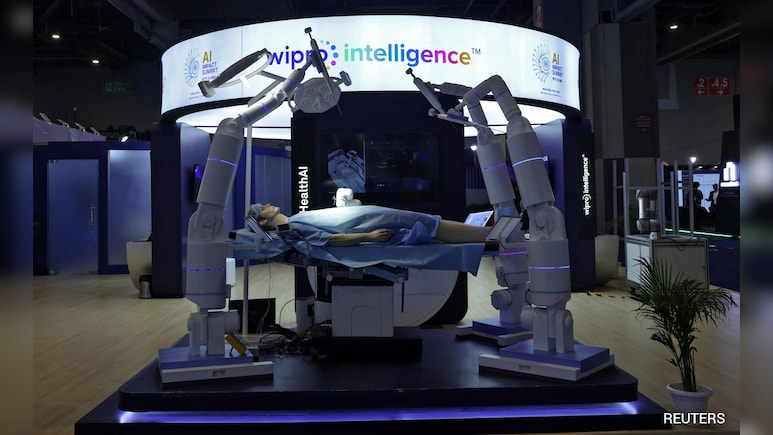
If there's one thing that's evident from the India AI Impact Summit 2026, it's that artificial intelligence is no longer just a digital assistant living in our phones, it is moving into our physical world.
The following five innovations, ranging from textiles to transportation, demonstrate how AI is being used to reduce human error, enhance safety, and save time in the most practical ways possible.
The AI-Designed Saree
India's handloom industry supports millions of families, but the traditional process is slow. Finalising a design can take weeks, and a single manual error often leads to massive rework. Currently, up to 40 per cent of products are returned due to design mismatches.
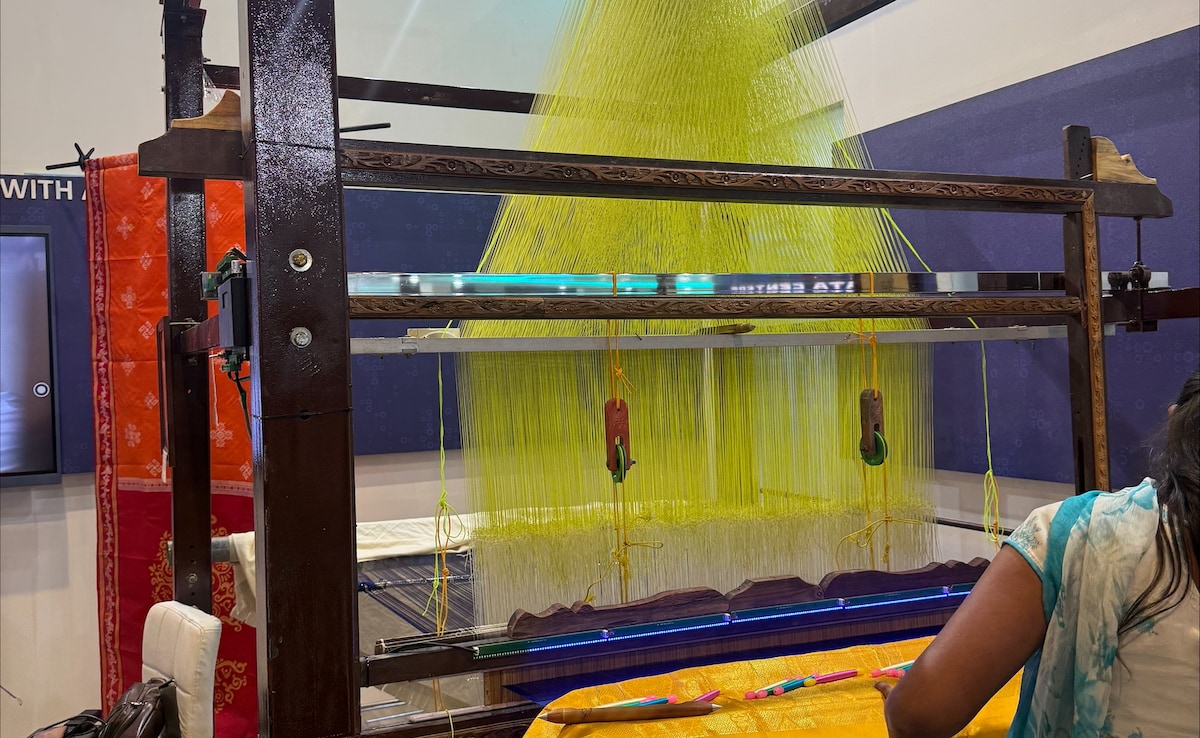
The TCS Intelligent Design Platform changes this by understanding voice commands, sketches, or images to create "loom-ready" designs instantly. It offers 3D and Augmented Reality (AR) previews so customers can see exactly how the fabric will look before weaving even begins. Additionally, Smart Weaver Assist uses LED guidance on the loom to help even less-experienced artisans follow complex patterns with ease.
The Impact: A customer can ask for a modern pattern mixed with a traditional Kanchipuram style. The system generates it instantly, allowing the weaver to focus on the craft rather than the math.
The Intelligent Motorbike
Ultraviolette Automotive showcased the X-47 Crossover, claimed to be the world's first electric motorcycle with integrated radar and camera systems as standard. Beyond being fast, the bike features UV HyperSense, a radar-based safety system that detects vehicles around you and provides real-time warnings. It also includes an integrated dashcam, fast charging, and a 323 km range.
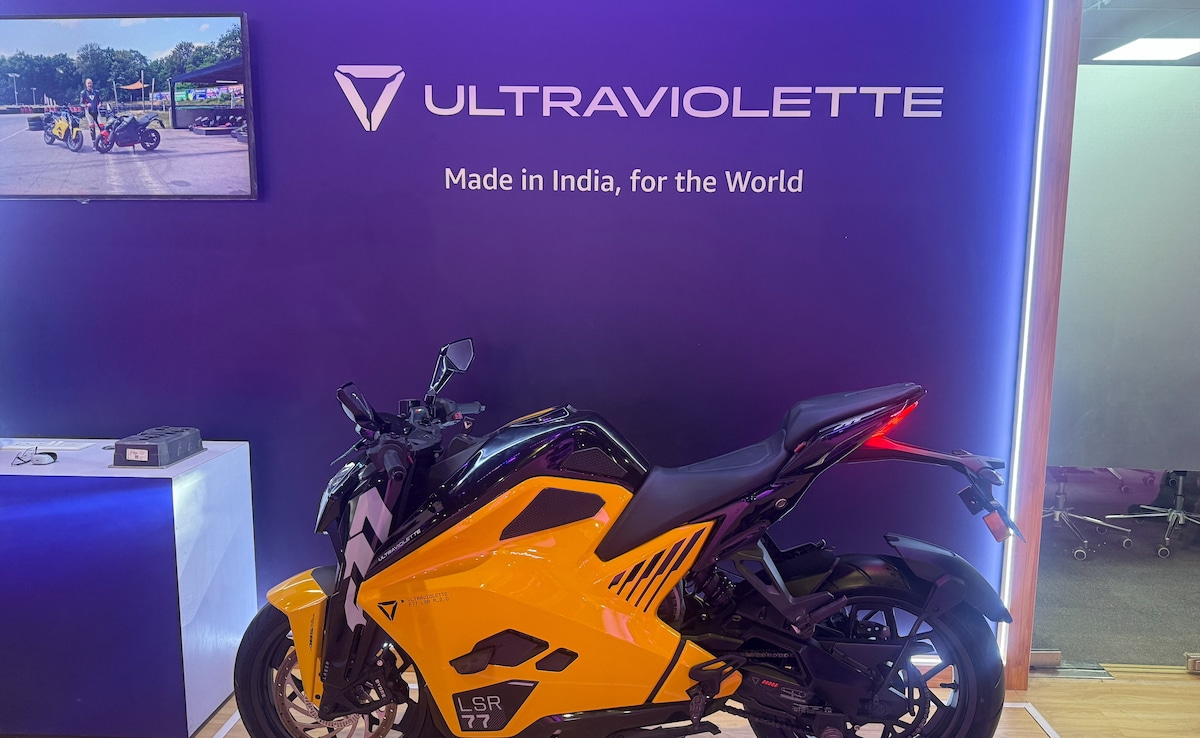
The Impact: If you are in heavy traffic and a car suddenly brakes or cuts you off, the radar system alerts you immediately via light signals, giving you that split-second advantage to avoid an accident.
Health AI: Real-Time Doctor Support
In many rural areas, specialists aren't always available on-site. Wipro Health AI is bridging this gap by supporting technicians and caregivers in real-time. As a technician performs a scan, the AI analyses the data to identify potential diseases, their causes, and suggested treatments. This reduces the risk of human error and acts as a built-in "second opinion." While a doctor still makes the final call, the AI ensures the initial investigation is incredibly accurate.
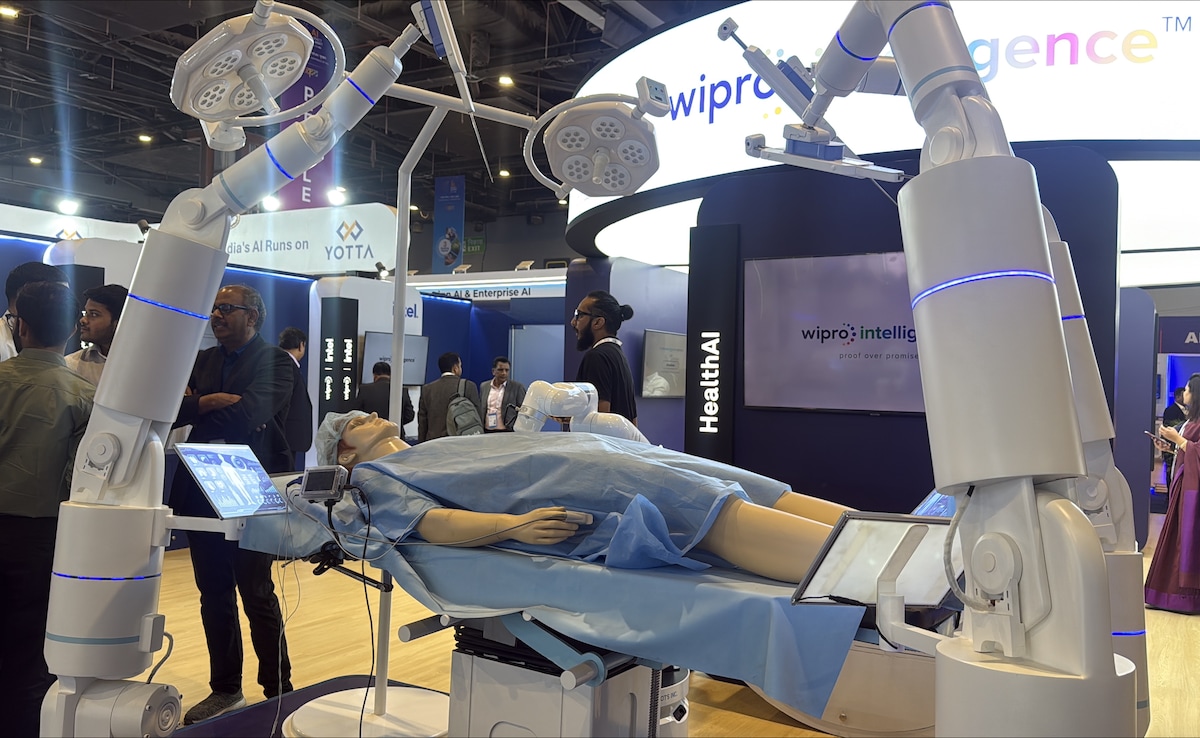
The Impact: A technician in a small-town clinic can perform an ultrasound while a specialist in a major city views the AI-guided data simultaneously, leading to a faster, life-saving diagnosis.
AI In The Classroom
Monitoring large classrooms or online tests is a major challenge for teachers. Extramarks (Extra Intelligence) has introduced a system to ensure exam integrity without replacing the human element. The AI tracks patterns to detect unusual behaviour, such as multiple students submitting near-identical answers or suspicious activity during online tests (like switching screens). Importantly, the AI doesn't disqualify anyone; it simply flags the incident for the teacher to review.
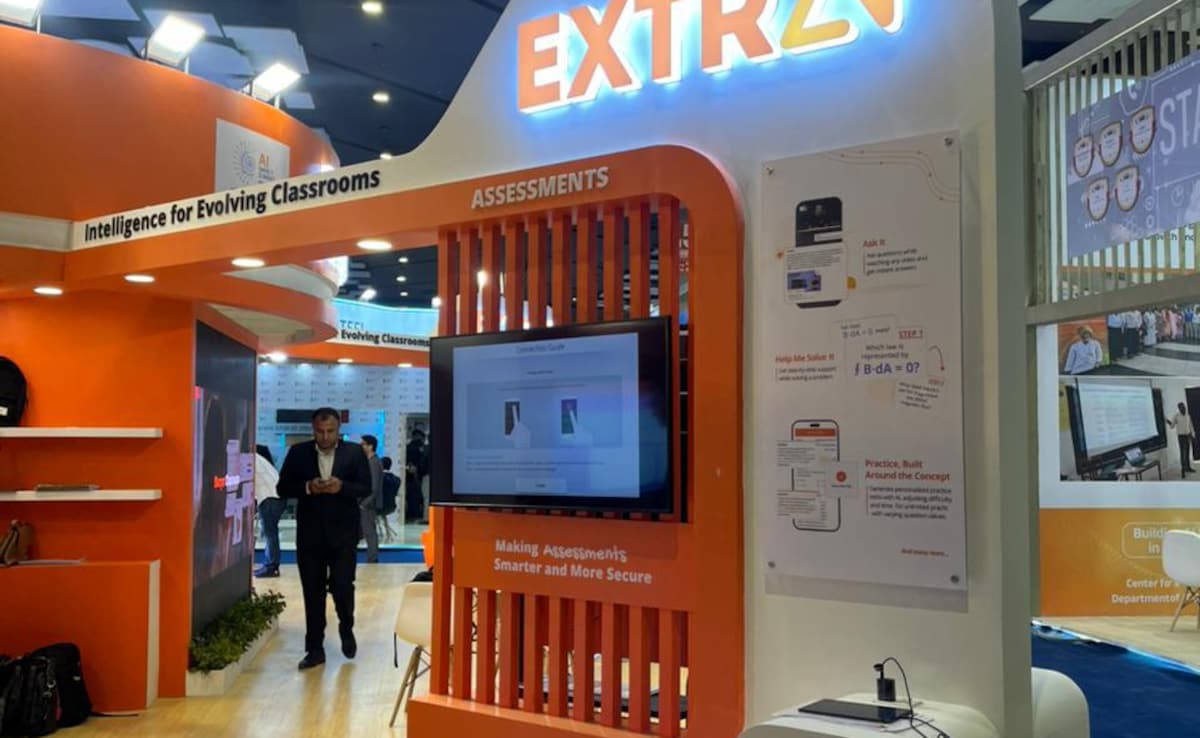
The Impact: If two students submit identical long-form answers within seconds of each other, the teacher receives a notification to check for copying, ensuring that honest students aren't at a disadvantage.
Virtual Fitting Rooms
Trying on clothes can be the most exhausting part of shopping, especially with the long lines for the trial room. The GenAI Virtual Try-On Kiosk aims to eliminate the need for long trial room queues. The kiosk securely captures your image, and you simply select the outfits you want to see. The system instantly shows how the clothes will look on your body. You can customise the styles and even download your "look" via a QR code to share or buy later.
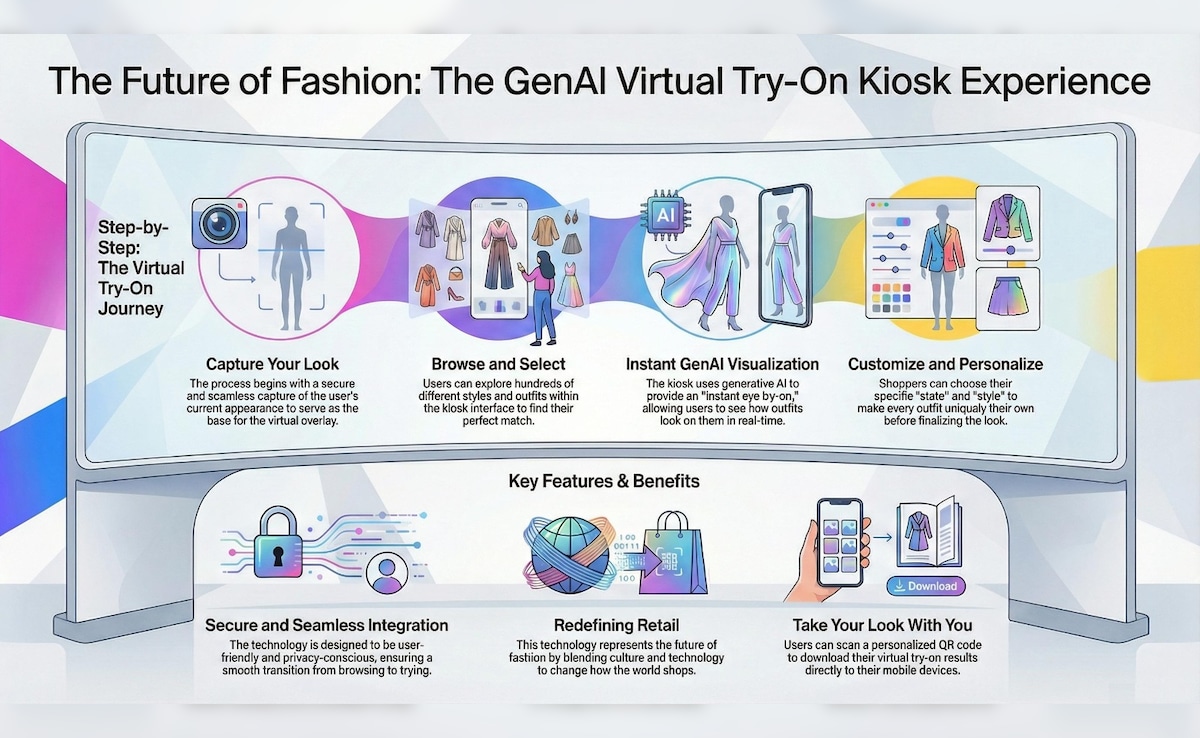
The Impact: Instead of carrying five heavy outfits to a changing room, you can virtually "try on" an entire collection in seconds and walk straight to the billing counter with your favourites.
Track Latest News Live on NDTV.com and get news updates from India and around the world

