



- Winter air and indoor heating cause eye dryness by evaporating the protective tear film faster
- Persistent dryness can lead to inflammation and affect tear function and eye comfort over time
- Symptoms like burning, redness, blurry vision, and light sensitivity need medical attention
Winter has a way of sneaking up on our eyes. One day they feel fine, and the next they're itchy, tired, or oddly irritated by the simplest things. Most of us brush it off as part of the season, just another side effect of cold air and indoor heating. And often, that's all it is. But sometimes, what feels like harmless winter dryness is the body's way of asking for attention. The challenge is knowing when to wait it out and when to take symptoms seriously.
Why Your Eyes Feel Worse in Winter
The air is drier in the winter season, and heating systems inside buildings dry out the air even more. The tear film that protects your eyes can evaporate more quickly, leaving your eyes exposed. Add to this the amount of time you spend looking at phones or computers, and it's not easy to keep your eyes from drying out. For many people, this leads to occasional discomfort that comes and goes. A few drops, a little rest, and things improve. Trouble begins when relief is short-lived or never really comes.
When Dryness Is No Longer Just Seasonal
Persistent eye irritation shouldn't be written off as normal, especially if it lingers well past the coldest weeks. What starts as dryness can gradually turn into inflammation. Over time, this can affect how well your tears work and how comfortable your eyes feel day to day. Some people are surprised to learn that excessive watering or blurred vision can also be signs of dry eye problems.
Symptoms that deserve closer attention:
- A constant burning or stinging sensation
- Eyes that feel gritty, like something is stuck in them
- Redness that doesn't fade with rest
- Blurry vision that clears only after blinking
- Sensitivity to light, wind, or smoke
If these symptoms become part of your daily routine, it's time to pause and take notice.
Who Tends to Struggle More
Certain factors make winter eye issues more likely to turn chronic. Individuals over the age of 40 may experience changes simply due to the reduction in tear production with age. Individuals who wear contact lenses may experience dryness, especially in rooms that are heated. Medications for allergies, blood pressure, or mood changes may also influence tear production.
Spending long hours on screens, which many of us do more in winter, compounds the problem. Fewer blinks mean less natural lubrication.
Knowing When to Get Checked
There's no need to rush to the doctor for every dry eye or tired-eye day. But medical attention becomes important when symptoms stop responding to basic care.
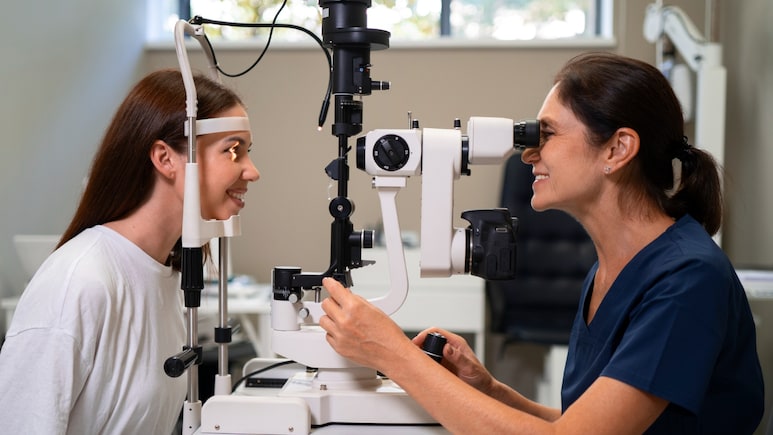
Consider seeing an eye specialist if discomfort lasts more than a couple of weeks, interferes with reading or driving, or starts affecting your vision. Pain, increasing redness, or discharge should never be ignored. An eye exam can identify whether dryness is the main issue or if something else is contributing to the problem.
Taking Your Eye Discomfort Seriously
Your eyes are remarkably good at adapting, which is why many people tolerate discomfort longer than they should. But ongoing dryness isn't something to simply live with. Left untreated, it can affect the eye's surface and increase the risk of irritation or infection.
Listening to your symptoms and acting early can prevent small issues from becoming long-term ones. Winter may come and go, but your eye health shouldn't suffer year-round because of it.
(By Dr Rishi Raj Borah, Country Director, Orbis, India)
Disclaimer: The opinions expressed within this article are the personal opinions of the author. NDTV is not responsible for the accuracy, completeness, suitability, or validity of any information on this article. All information is provided on an as-is basis. The information, facts or opinions appearing in the article do not reflect the views of NDTV and NDTV does not assume any responsibility or liability for the same.
Track Latest News Live on NDTV.com and get news updates from India and around the world

