

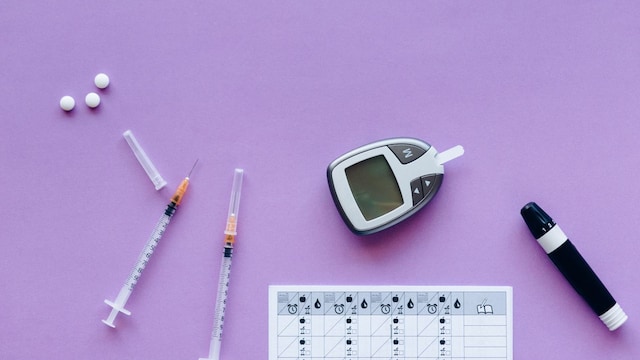
More than a century after insulin was discovered, millions of people living with type 1 diabetes still struggle to obtain affordable treatment and essential healthcare services. Since the condition prevents the body from producing sufficient insulin, people diagnosed with it require lifelong insulin therapy to keep their blood glucose levels under control and survive. To address these persistent gaps in diabetes care, the World Health Organization (WHO) has introduced its first-ever guidelines for diagnosing and managing type 1 diabetes in adults. Released ahead of World Diabetes Day 2026, the recommendations are intended to guide healthcare delivery across different settings, including regions with limited medical resources, emergency situations and humanitarian crises. WHO estimates that approximately 9.5 million people worldwide were living with type 1 diabetes in 2025. An additional 500,000 people received a diagnosis during the same year. While the condition is widely associated with children and adolescents, adults can also develop type 1 diabetes and require lifelong treatment.
The newly released guidelines outline recommendations for insulin administration, blood glucose monitoring and improving access to diabetes treatment. They also contribute to WHO's goal of ensuring that everyone with type 1 diabetes can access affordable insulin and blood glucose self-monitoring by 2030. Here is a closer look at the recommendations and what they mean for people living with the condition.
What Is Type 1 Diabetes?
Type 1 diabetes is a lifelong disease in which the pancreas does not produce enough insulin. Insulin is a hormone that regulates blood glucose by helping sugar move from the bloodstream into the body's cells, where it is used to generate energy. When the body lacks sufficient insulin, glucose cannot be used effectively by cells and begins accumulating in the bloodstream. This leads to elevated blood sugar levels. Type 1 diabetes differs from type 2 diabetes, which is commonly characterised by insulin resistance, where the body's cells do not respond effectively to insulin, along with a gradual decline in insulin production.
People with type 1 diabetes need regular insulin treatment throughout their lives because their bodies cannot produce enough of the hormone to regulate blood glucose naturally. Without adequate treatment, the condition can lead to severe and potentially life-threatening complications.
Although type 1 diabetes is frequently diagnosed during childhood, it is not restricted to younger age groups. Adults can develop the condition too, making awareness, accurate diagnosis and timely treatment important at every age.
WHO's New Type 1 Diabetes Guidelines: What Are The Key Recommendations?
The WHO guidelines establish recommendations for managing type 1 diabetes in adults, with an emphasis on ensuring that essential treatment remains accessible regardless of where people live or the resources available to their healthcare systems. Three important areas covered by the recommendations include insulin therapy, regular blood glucose monitoring and access to diabetes care in challenging healthcare environments.
1. Insulin Treatment Through Multiple Daily Injections
WHO recommends that adults with type 1 diabetes receive insulin injections multiple times a day, with the dosage adjusted according to their blood glucose levels. Insulin therapy is essential because it replaces the hormone that the body is unable to produce adequately. Maintaining appropriate blood glucose levels through regular treatment helps reduce the risk of complications associated with uncontrolled diabetes.
The guidelines identify human insulin as an effective and suitable treatment option. This is a manufactured form of insulin designed to function similarly to the hormone naturally produced by the human body. Other insulin formulations may also be considered when necessary, depending on individual treatment requirements and availability.
The recommendation places particular emphasis on ensuring that insulin is both affordable and readily available. This is especially important in regions where people may struggle to access essential medicines because of financial constraints or inadequate healthcare infrastructure.
2. Regular Monitoring Of Blood Glucose Levels
Keeping track of blood glucose is a crucial part of managing type 1 diabetes. WHO recommends regular monitoring to help individuals and healthcare professionals understand blood sugar patterns and make appropriate adjustments to insulin treatment. One method involves laboratory testing at healthcare facilities. This can include a blood test that measures average blood glucose levels over the previous few months, providing an indication of long-term blood sugar control.
People can also monitor their glucose levels at home using a finger-prick test. The process involves taking a small blood sample, usually from the fingertip, to measure the current blood glucose level.
The guidelines also include continuous glucose monitoring (CGM) as an option. These systems use a small sensor attached to the skin to track glucose levels throughout the day, allowing individuals to observe fluctuations and monitor changes over time.
In situations where conventional blood glucose testing is not accessible, WHO says urine glucose testing may be considered as an alternative. This provision is particularly relevant for communities with limited access to diagnostic facilities and advanced monitoring technology.
3. Ensuring Access To Diabetes Treatment In Resource-Limited Settings
The WHO recommendations are designed to be relevant beyond well-equipped hospitals and specialised diabetes centres. They also address the difficulties faced by people living with type 1 diabetes in areas where healthcare resources and medical infrastructure are limited.
Access to insulin, glucose monitoring equipment and regular medical consultations can become particularly challenging during humanitarian emergencies, natural disasters and other situations that disrupt healthcare services. The new guidelines aim to help countries maintain essential diabetes services even under such circumstances. They also reinforce the need to make high-quality insulin and blood glucose monitoring affordable and accessible, so that people can receive necessary treatment irrespective of their income or location.
Why Has WHO Introduced These Guidelines More Than 100 Years After Insulin's Discovery?
Insulin transformed the treatment of diabetes when it was discovered more than a century ago. However, its availability does not necessarily translate into equal access for everyone who needs it.
For people with type 1 diabetes, a consistent supply of insulin is essential for survival. Missing or receiving inadequate insulin can cause blood glucose levels to rise dangerously and may trigger diabetic ketoacidosis (DKA), a serious medical emergency that requires immediate treatment. The continuing difficulties in accessing affordable insulin remain a major global healthcare concern. Explaining the need for the new recommendations, Dr Soren Brostrom, WHO Director of Noncommunicable Diseases and Mental Health, highlighted the gap between the availability of lifesaving treatment and access to it. "Insulin is a lifesaving treatment, discovered more than 100 years ago. Yet many people with type 1 diabetes do not have access to affordable and high-quality insulin," he said. He noted that the guidelines offer evidence-based recommendations to help countries improve diabetes care, including in areas where healthcare resources are scarce or medical services have been disrupted.
The initiative also supports WHO's 2030 targets, which aim to ensure that all people with type 1 diabetes have access to affordable insulin treatment and blood glucose self-monitoring.
How Does WHO Plan To Help Countries Put The Recommendations Into Practice?
The effectiveness of the new guidelines will depend on how successfully countries incorporate them into their healthcare systems. WHO plans to assist countries by providing practical resources, tools and guidance to translate the recommendations into action. These measures will also help governments assess implementation and monitor progress towards improving diabetes care. Another important aspect is the involvement of people living with type 1 diabetes in healthcare policymaking.
WHO has encouraged countries to include patients in the development, implementation and evaluation of diabetes programmes. Their participation can help ensure that policies address the practical difficulties people experience while managing the condition.
World Diabetes Day 2026: Why Early Diagnosis And Treatment Matter
The theme for World Diabetes Day 2026 is 'Early action on diabetes'. It highlights the importance of recognising the condition promptly, accessing appropriate treatment and managing the disease over the long term. Diabetes can affect several organs and increase the risk of serious health complications. These include vision loss and blindness, kidney failure, heart attacks, strokes and lower-limb amputations. According to WHO, the worldwide burden of diabetes has increased more than fourfold since 1990. In 2022, approximately 830 million people were living with diabetes globally, with most cases being type 2 diabetes.
WHO also estimates that more than 40 per cent of people with diabetes are unaware that they have the condition and remain undiagnosed. The new guidelines for adults with type 1 diabetes represent an effort to address persistent inequalities in diagnosis, treatment and long-term disease management. By focusing on affordable insulin, accessible glucose monitoring and continuity of healthcare services, WHO aims to improve treatment access for millions of people.
More than 100 years after insulin changed the course of diabetes treatment, the challenge is no longer simply having access to a lifesaving medicine. It is ensuring that everyone who depends on it can obtain it consistently, affordably and without interruption.
Disclaimer: This content including advice provides generic information only. It is in no way a substitute for a qualified medical opinion. Always consult a specialist or your own doctor for more information. NDTV does not claim responsibility for this information.