

)
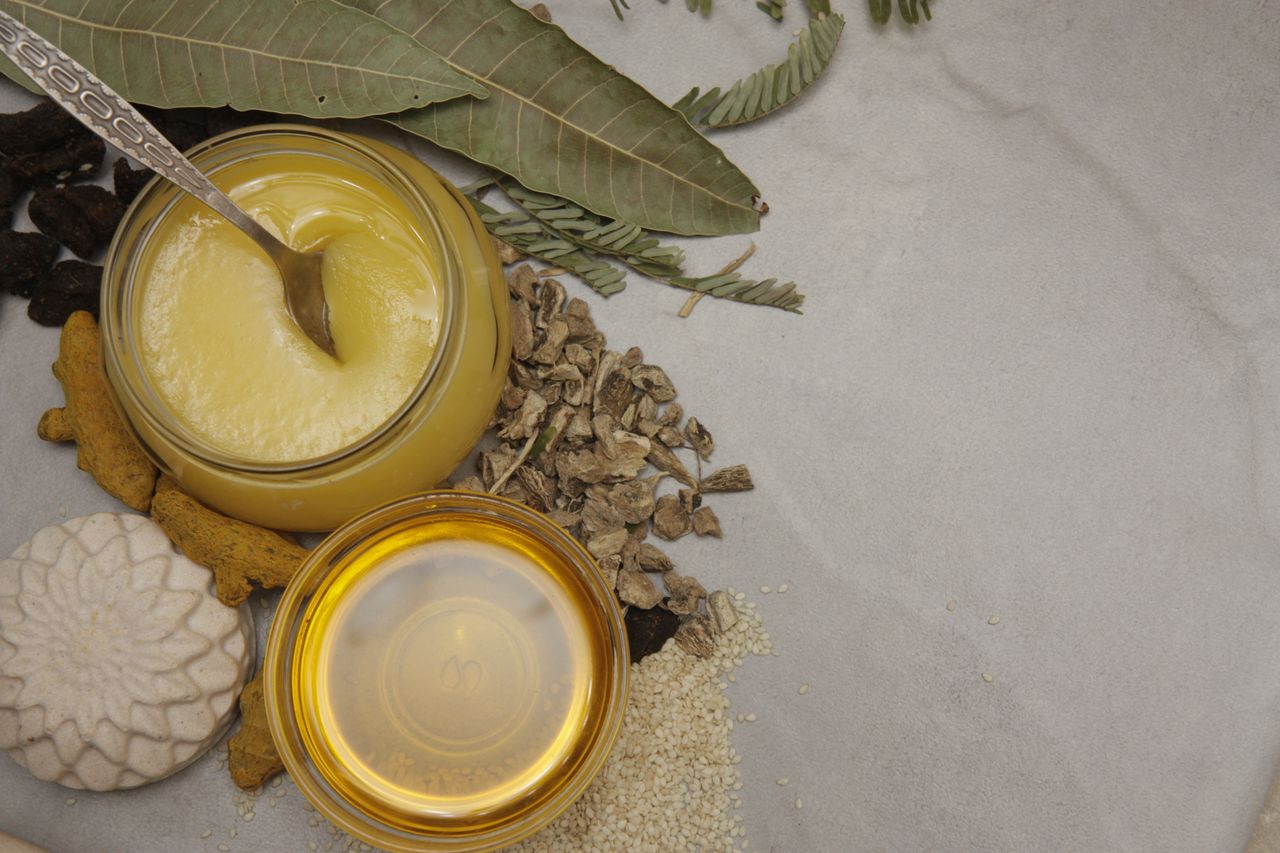
Ghee or clarified butter holds a special place in Indian kitchens that few other ingredients ever manage. It shows up in daily dal, in festive sweets, in the small ritual of spooning it over hot rotis just because it makes everything taste better. Elders swear by it. Mothers insist on it for growing children. There's a kind of unquestioned trust attached to ghee that most foods never earn, built up over decades of habit rather than any real analysis on its benefits. This trust is exactly where the problem lies. When something feels safe, and more importantly delicious; nobody stops to measure it, and this may create health concerns.
Why Ghee Feels So Safe
Ancient texts like Ayurveda have long treated ghee as more than a cooking fat, closer to a wellness ritual, than a kitchen staple. However, a look at the numbers and the picture shifts. Ghee is close to 62 percent saturated fat, and just 100 grams of it packs nearly 883 kilocalories. That is a fairly dense amount of energy hiding inside something, that most people pour without giving it a second thought.
None of this makes ghee dangerous on its own. The real issue is the quantity consumed in a day. A spoon goes into the tadka. Another gets stirred into the rice. One more measuring sneaks in because, well, the roti tastes so much better with it. Each spoon feels harmless in that moment. Add them up across a day or a week, the total amount consumed can often shock people.
Also Read: Olive Oil Or Desi Ghee? Nutritionist Pooja Malhotra Tells Which Is Healthier
What Excess Saturated Fat Actually Does
When saturated fat intake goes well past what the body actually needs, the liver struggles to clear cholesterol from the blood as efficiently as it should. That extra cholesterol doesn't just disappear. It tends to settle along artery walls over time, slowly narrowing the very pathways that carry blood to the heart.
This matters even more for Indian bodies specifically. A lot of South Asians have builds that look lean from the outside while storing fat quite differently underneath, which is exactly why doctors set the overweight mark on the BMI scale at 23 for Asians instead of the usual 25. Add a diet that leans heavily on unmeasured dollops of ghee, and you're not just adding to that existing risk. You're stacking one vulnerability directly on top of another.
So How Much Ghee Is Actually Fine?
Amid all the back and forth over whether ghee is good or bad, the real answer tends to get buried. There is one, which is fairly clear cut.
Healthy adults can go with 1 to 2 teaspoons of ghee a day, comfortably, as part of their total cooking fat.
All fats combined, oils, ghee and butter, should land somewhere between 20 and 50 grams daily, depending on how active a person actually is.
Saturated fat, as a whole, needs to stay under 7 percent of daily energy intake, a touch stricter than what most global health bodies recommend.
For anyone already dealing with heart disease, diabetes or high cholesterol, that number drops further still. A single teaspoon a day is usually the most sensible limit here, with the rest of the cooking handled through oils like mustard, groundnut or sesame, which the heart simply copes with better over the long run.
Also Read: 'Liquid Gold': Luke Coutinho Shares Health Benefits Of Pure Ghee
The Fix Is Simpler Than It Sounds
None of this is a call to give up ghee. Nobody needs to feel guilty about a spoon stirred into Sunday dal. What actually needs to shift is much smaller than that. Start treating ghee as a finishing touch rather than something poured on instinct while cooking. A teaspoon dropped in right at the end, just for the aroma, gives you nearly the same satisfaction as a heavy unmeasured splash, minus the slow damage it does when nobody's counting.
That one habit, measuring instead of guessing, is where the actual protection lies. Ghee never really deserved to be painted as the villain of the Indian kitchen. It just needed a spoon instead of a ladle. Get that right, and tradition and heart health stop working against each other. They end up sitting on the same plate, just the way they always should have.
(By Varsha Gorey, Senior Clinical Dietitian, Head of the Department (HOD) - Dietetics, Apollo Hospitals, Navi Mumbai And Dr. Charan Reddy, Interventional Consultant Cardiologist, Apollo Hospitals Navi Mumbai)
Disclaimer: The opinions expressed within this article are the personal opinions of the author. NDTV is not responsible for the accuracy, completeness, suitability, or validity of any information on this article. All information is provided on an as-is basis. The information, facts or opinions appearing in the article do not reflect the views of NDTV and NDTV does not assume any responsibility or liability for the same.