

)
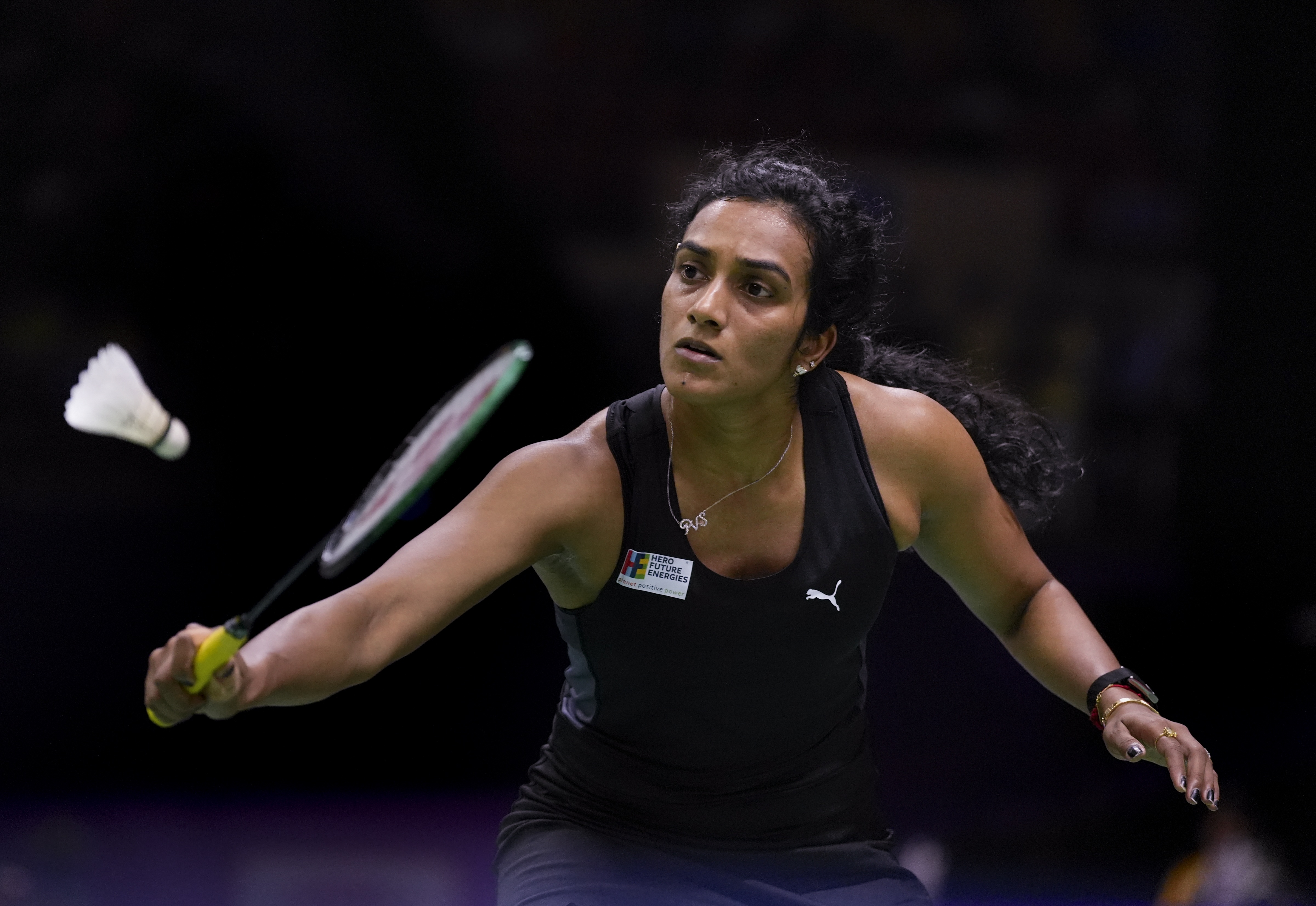
PV Sindhu's latest workout video is a reminder that athletic fitness is not simply about looking strong. For athletes, strength needs to translate into movement, balance, coordination, control and power. The badminton champion recently shared a glimpse of her training routine on Instagram, where she appeared to perform a single-leg hip thrust or single-leg glute bridge variation. With her upper back supported on a bench and one foot positioned on an elevated platform, Sindhu performed the movement while maintaining control through the exercise. "Just me vs me," she wrote in the caption. While the exercise may look relatively simple, unilateral movements, or exercises that work one side of the body at a time, can add an important dimension to strength training. They can challenge balance and stability while allowing you to identify differences in strength between your left and right sides.
For a professional badminton player, these qualities are particularly relevant. Badminton involves repeated lunges, rapid changes of direction, jumps, explosive movements and single-leg landings. Training that develops lower-body strength alongside stability and coordination can therefore complement sport-specific performance. However, you do not need to train like an Olympic-level athlete to incorporate some of these principles into your own routine. If Sindhu's latest fitness video has inspired you to take your leg day more seriously, these premium fitness essentials can help you create a more purposeful home or gym setup.
1. Adjustable Dumbbells For Single-Leg Strength Training
Single-leg exercises such as single-leg deadlifts, Bulgarian split squats and step-ups can become considerably more challenging when resistance is introduced. Adjustable dumbbells can be particularly useful because they allow you to progressively increase the load as your strength improves, without requiring multiple pairs of weights. When choosing dumbbells, look for a secure grip and a weight range that suits your current fitness level while leaving room for progression.
How to use them: Hold one dumbbell in the hand opposite to the working leg during a single-leg deadlift. This can increase the balance and core-control challenge. Alternatively, hold a pair of dumbbells while performing weighted Bulgarian split squats or step-ups.
2. A High-Grip Exercise Mat For Balance And Floor Work
Balance training is only as comfortable as the surface beneath you. A supportive exercise mat can provide cushioning during floor-based strength, mobility and recovery work while also giving you a dedicated workout surface. For a single-leg-focused session, look for a thick training mat with good grip. This becomes particularly useful if your workout includes lunges, squats, mobility drills, glute exercises or core work. A quality exercise mat can also be useful beyond strength training, including stretching, warm-ups and recovery sessions.
How to use it: Use the mat for warm-ups, mobility drills, core exercises and controlled balance work before progressing to more demanding unilateral movements.
3. Resistance Bands For Glute Activation And Stability
Resistance bands are among the simplest tools you can add to a lower-body workout. They take up little space but can make familiar movements more challenging. Mini bands can be used around the thighs or ankles during exercises such as lateral walks, glute bridges and squats. These movements can help you work the muscles around the hips and glutes while introducing an additional stability challenge. Bands can also be useful during warm-ups before heavier strength training.
How to use them: Place a mini resistance band above your knees during glute bridges or lateral walks. Focus on maintaining controlled movement rather than simply trying to stretch the band as far as possible.
4. A Stable Workout Bench For Glute And Leg Exercises
A sturdy workout bench can significantly expand the number of exercises you can perform at home or in a gym. The single-leg movement seen in Sindhu's workout, for example, requires support from a bench. A stable surface can also be used for Bulgarian split squats, step-ups, hip thrusts and certain upper-body exercises. If you are investing in a bench, stability should take priority over appearance. It should remain firmly in place during movement and provide adequate support for your body and the weights being used.
How to use it: Use the bench for hip thrusts, step-ups and Bulgarian split squats. When performing single-leg movements, begin with bodyweight until you are comfortable maintaining your balance and controlling the movement.
5. A Foam Roller For Recovery And Mobility
Strength training is only one part of a sustainable fitness routine. Recovery and mobility also matter, particularly if you train frequently. A foam roller can be incorporated into a warm-up or recovery routine to provide a form of self-myofascial release. It can be used around areas such as the thighs, glutes and calves, depending on your comfort and training needs. Foam rolling should not be treated as a substitute for proper recovery, sleep or medical care when you have an injury. However, it can be a convenient addition to a broader mobility routine. How to use it: Spend a few minutes moving slowly over the muscles you have trained, avoiding direct pressure on joints and areas of acute pain.
Why Single-Leg Exercises Matter
Exercises performed on one leg can expose stability and strength differences that may not be obvious during bilateral movements such as conventional squats or deadlifts. They can also require greater attention to posture and control. During a single-leg movement, your body has to manage your position while one side is doing most of the work.
That does not mean unilateral exercises are automatically better than bilateral exercises. Both have a place in a well-rounded strength programme. For beginners, bodyweight versions are often a sensible starting point. Once you can perform an exercise with good technique and control, resistance can be gradually introduced.
You Don't Need An Athlete's Workout To Train Like One
The biggest takeaway from Sindhu's workout is not necessarily the exact exercise she performed. It is the principle behind athletic training: strength should support how your body moves. For most people, a balanced lower-body routine can include squats or split squats, a hip-hinge movement, glute-focused exercises, calf work and some form of controlled unilateral training.
Start at a level appropriate for your fitness and gradually increase the challenge. More weight or more repetitions are not always better if technique and control begin to suffer. And if you have an existing injury, persistent pain or a medical condition, speak to a qualified healthcare or fitness professional before introducing demanding exercises or heavy resistance.
Sindhu may be training for the demands of elite badminton, but the broader lesson applies to anyone working towards better fitness: building strength is not just about how much you can lift. It is also about how well you can control your body while you move.
Disclaimer: This content including advice provides generic information only. It is in no way a substitute for a qualified medical opinion. Always consult a specialist or your own doctor for more information. NDTV does not claim responsibility for this information.