)
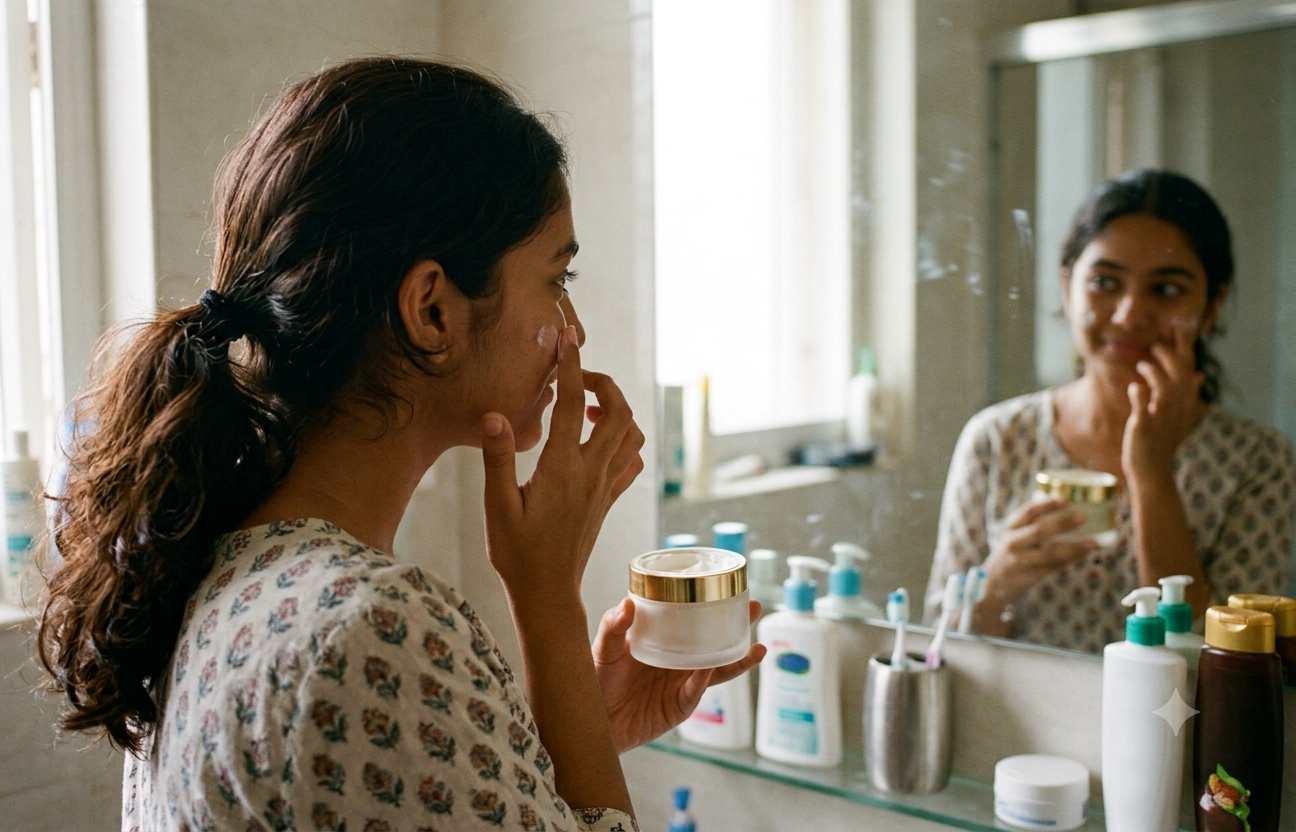
A disturbing new trend is unfolding in urban bathrooms across the globe, mutating ordinary self-care into a clinical emergency. Children as young as eight or nine are standing before mirrors, systematically applying complex, multi-step adult skincare regimens. They are not merely playing dress-up; they are actively seeking "preventative anti-ageing" solutions. This cultural obsession with achieving flawless skin has triggered a psychological and dermatological phenomenon now formally termed "cosmeticorexia". While the behaviour is being driven by viral social media algorithms, the real-world consequences are materialising on teenagers' faces as severe skin barrier disruption, contact dermatitis, and literal chemical burns. These side effects on the skin are serious and need to be taken seriously to help prevent lifelong effects on the skin barrier.
Decoding 'Cosmeticorexia'
Cosmeticorexia, occasionally referred to as "dermorexia", is defined as a culturally reinforced preoccupation or obsession with achieving immaculate skin through the excessive, compulsive, and age-inappropriate use of cosmetic products.
A landmark 2026 research in the Dermatology and Therapy Journal by researchers Dr Giovanni Damiani and Alberto Stefana outlines how the phenomenon is fuelled by the rapid "medicalisation of beauty". Active cosmeceuticals that were once reserved for targeted clinical dermatological issues have transitioned into everyday playground trends. The study highlights that because social media platforms' algorithms reward routine-based content, pre-adolescents are adopting complex anti-ageing behaviours long before their skin structures can physically tolerate them.
Also Read: Don't Throw Away Mango Seeds This Summer! Doctor Explains How They Protect Your Skin In A Heatwave
The Science Of Damage: Retinol And Acids On Adolescent Skin
The primary culprits behind the sudden spike in teenage skin injuries are high-potency active ingredients: retinoids (vitamin A derivatives) and exfoliating acids like alpha-hydroxy acids (AHAs, such as glycollic or lactic acid) and beta-hydroxy acids (BHAs, like salicylic acid).
While these ingredients are highly effective at accelerating cellular turnover in mature, ageing skin, they act as destructive agents on young skin. The physical differences between adult and adolescent physiology explain why these substances trigger chemical burns:
- The Hydrolipidic Film: Children and young teenagers possess a delicate, highly reactive skin barrier with a completely different pH-balanced baseline and cellular structure compared to adults.
- The Chemical Cascade: When a teenager applies a strong glycolic acid followed by a retinol serum, the combination strips away the protective hydrolipidic film (the natural moisture barrier).
- The Burn: Without this defence, the active chemicals penetrate deep into vulnerable tissue layers, causing severe erythema (redness), rapid desquamation (peeling), and painful chemical burns that simulate raw wounds.
An ethical analysis featured in the Journal of Cosmetic Dermatology underscores that adolescents frequently lack the analytical capacity to interpret safety warnings or recognise that "beauty is pain" is a dangerous misnomer when handling medical-grade formulations. The study notes a sharp rise in adverse clinical reactions directly correlated to teenagers replicating influencer recommendations without proper medical supervision.
Also Read: Mineral Sunscreen vs Skin Serums: Which Is Better To Reverse Digital Blue Light Ageing?
From Digital Content To Clinical Care
The pipeline from scrolling a social media feed to sitting in a dermatology clinic is shrinking. Luxury skincare brands, capitalising on high digital engagement, intentionally market advanced formulations using bright, child-friendly packaging, fruity fragrances, and playful typography.
Medical professionals are recording unprecedented numbers of paediatric patients seeking treatment for contact dermatitis and cosmetic acne which are conditions brought on entirely by the premature use of heavy anti-ageing creams. The 2026 Damiani and Stefana study warns that this extreme appearance-focused routine behaves like a risk factor for body dysmorphia, turning nonexistent flaws into sources of profound social anxiety.
The international response to cosmeticorexia has already escalated beyond medical warnings. European regulatory bodies, including Italy's antitrust authority, have initiated formal investigations into major beauty retailers for allegedly deploying unfair marketing practices targeted directly at children under the age of 12.
Restoring Sanity To The Sink
To protect teenage skin from long-term scarring and hyperpigmentation, dermatologists emphasise returning to fundamental, age-appropriate skincare. For a pre-teen or teenager, a healthy routine requires only three basic components:
1. A gentle, non-stripping cleanser.
2. A basic, fragrance-free moisturiser to support natural barrier development.
3. A broad-spectrum sunscreen (SPF 30 or higher) for daily UV protection.
Unless medically prescribed by a certified dermatologist to manage clinical conditions like cystic acne, advanced chemical exfoliants and retinols have absolutely no place on a teenager's vanity. Correcting the rise of cosmeticorexia requires parents and educators to step in as buffers, teaching digital literacy alongside basic anatomy and reminding young consumers that healthy skin does not look like a filtered video; it looks like human skin.
Disclaimer: This content including advice provides generic information only. It is in no way a substitute for a qualified medical opinion. Always consult a specialist or your own doctor for more information. NDTV does not claim responsibility for this information.