

)
While the acute fever phase of chikungunya typically subsides within a week, the post-viral aftermath often lasts for far longer. For thousands of recovering patients across India, chronic joint stiffness, swelling, and musculoskeletal pain, which is a condition known as post-chikungunya chronic arthritis, can go on for weeks or even months. While clinical management remains the primary line of defence, medical nutrition plays a crucial role in reducing systemic inflammation. Leading clinical dietitians emphasise that a targeted anti-inflammatory meal plan can fast-track tissue recovery and reduce joint discomfort.
Effects Of The Post-Viral Joint Stiffness
During a chikungunya infection, the alphavirus triggers a severe immune response, leading to elevated levels of pro-inflammatory cytokines such as interleukin-6 (IL-6) and tumour necrosis factor-alpha (TNF-alpha) in synovial fluid that surrounds the joints.
Even after the viral load drops, low-grade systemic inflammation can keep joint tissues from becoming swollen and tender. Managing this phase requires shifting from an acute fever recovery diet to an anti-inflammatory protocol designed to inhibit cytokine activity and reduce oxidative stress.
4 Nutritional Pillars For Joint Recovery
Leading clinical dietitians recommend structuring daily intake around nutrient-dense, bioactive compounds that naturally downregulate inflammatory pathways.
1. Polyphenols And Curcumin Activation
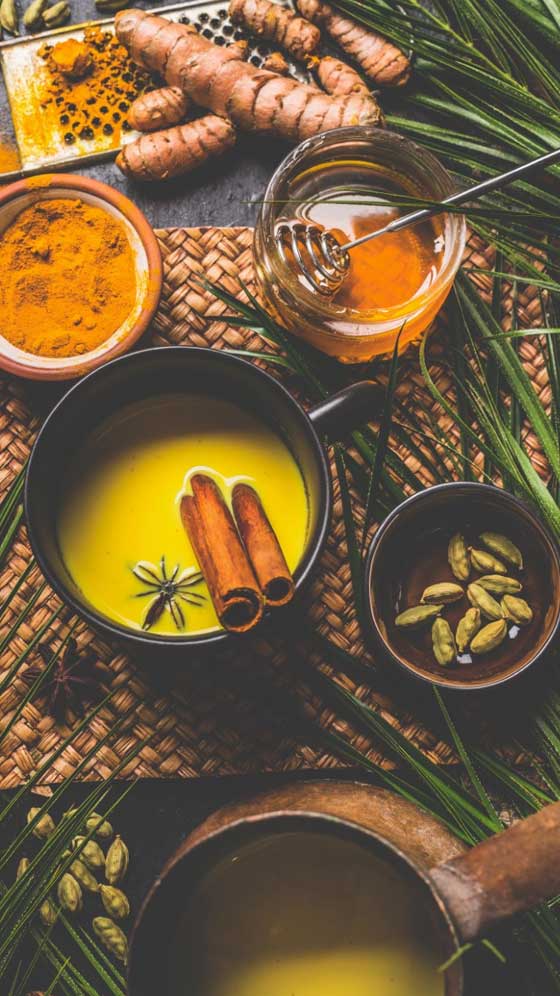
Turmeric remains a cornerstone of post-viral recovery due to its primary active compound, curcumin. Curcumin inhibits NF-kB, a master transcription factor that regulates inflammatory responses. Dr Priyanka Rohatgi, Chief Clinical Dietitian and Executive Director of Clinical Nutrition and Dietetics, Apollo Hospitals, Bangalore, pinpoints that "Curcumin acts as a potent natural anti-inflammatory agent, but its intestinal absorption is naturally low."
She notes, "To optimise its bioefficacy during chikungunya recovery, pair golden turmeric milk with a pinch of black pepper. The piperine in black pepper significantly enhances curcumin bioavailability."
Research published in the Journal of Inflammation highlights that combining polyphenol-rich compounds like curcumin with fatty acids helps downregulate catabolic markers (such as MMP-1 and MMP-3) in articular cartilage, preserving joint function and reducing pain scores.
2. Omega-3 Fatty Acids For Joint Health
Polyunsaturated fatty acids (PUFAs), particularly EPA and DHA found in fatty fish, flaxseeds, chia seeds, and walnuts, are actively converted into resolvins and protectins, which are specialised pro-resolving mediators that systematically clear cellular debris and lower joint swelling.
Dr Anita Jatana, Chief Dietitian and Head of Clinical Nutrition at Indraprastha Apollo Hospitals, New Delhi, emphasises this. "Incorporating crushed flaxseeds or soaked chia seeds into daily morning routines to ensure a consistent intake of plant-based alpha-linolenic acid (ALA).”
3. Hydration and Electrolyte Balance
Synovial fluid, which lubricates cartilage and cushions joints, requires adequate cellular hydration to maintain viscosity.
Dr Charu Dua, Chief Clinical Dietitian and Head of Department, Max Super Speciality Hospital, Vaishali, highlights, "Patients recovering from arboviral infections often experience subtle ongoing dehydration, which exacerbates joint stiffness."
She says, "Replenishing electrolytes via fresh coconut water, lemon water, and herbal infusions like ginger-tulsi tea helps maintain plasma volume and facilitates the clearance of metabolic waste from tissues."
According to clinical studies published in Frontiers in Immunology Journal, bioactive compounds in fresh ginger (gingerols and shogaols) demonstrate helpful properties similar to those of mild non-steroidal anti-inflammatory agents by reducing cyclooxygenase (COX) pathways.
4. Antioxidant-Dense Micronutrients
Vitamin C and zinc are critical co-factors for collagen synthesis, the structural protein responsible for repairing tendons and ligaments damaged during acute inflammation. Papaya, amla (Indian gooseberry), citrus fruits, and dark leafy greens should be consumed daily to combat systemic oxidative stress.
Clinical Sample Day Anti-Inflammatory Meal Plan
To turn these nutritional principles into daily practice, clinical dietitians suggest timing for certain foods for a structured anti-inflammatory protocol for post-chikungunya recovery.
The ideal time, recommended meal or beverage, and their functional benefits that you can follow for reducing inflammation are:
Early Morning
- 1 glass of warm fenugreek (methi) water and 5 soaked almonds
- Reduces morning stiffness and provides healthy fats
Breakfast
- Vegetable oat porridge or moong dal chilla with spinach
- High-fibre, low-glycaemic complex carbs to prevent cytokine spikes
Mid-Morning
- Fresh coconut water or 1 glass of amla-ginger shot
- Restores intracellular electrolytes and delivers vitamin C
Lunch
- Steamed brown rice/Jowar roti, steamed fish or lentils (dal) and boiled leafy greens
- Lean proteins and omega-3s for tissue repair
Evening Snack
- Ginger-tulsi herbal tea and a handful of roasted makhana (foxnuts)
- Anti-inflammatory flavonoids; low-sodium crunch
Dinner
- Light vegetable soup and baked tofu or grilled paneer with steamed vegetables
- Easy-to-digest protein to support overnight tissue regeneration
Bedtime
- Warm Golden Milk (Milk, 1/2 tsp Turmeric with a pinch of black pepper)
- Curcumin-piperine synergy to calm joint discomfort overnight
Foods To Avoid During Recovery
To prevent secondary inflammatory spikes, clinical dietitians strictly advise limiting the following during the 4–6 week post-viral window:
- Refined Sugars and Ultra-Processed Foods: Bakery products, sugary beverages, and packaged snacks elevate blood glucose levels, inducing advanced glycation end-products (AGEs) that worsen joint inflammation.
- Trans Fats and Deep-Fried Snacks: Saturated and trans fatty acids trigger inflammatory pathways in fat tissue.
- Excess Salt: High sodium intake can worsen fluid retention in swollen joint capsules.
Post-chikungunya joint stiffness requires patience and structured care. By pairing gentle mobility exercises with an intentional, evidence-based anti-inflammatory meal plan rich in polyphenols, omega-3s, and targeted antioxidants, recovering patients can significantly shorten their rehabilitation timeline and restore full joint mobility.
Also Read: Jeera Ajwain Saunf Water: Does It Really Help On An Empty Stomach?
Disclaimer: This content including advice provides generic information only. It is in no way a substitute for a qualified medical opinion. Always consult a specialist or your own doctor for more information. NDTV does not claim responsibility for this information.