

)
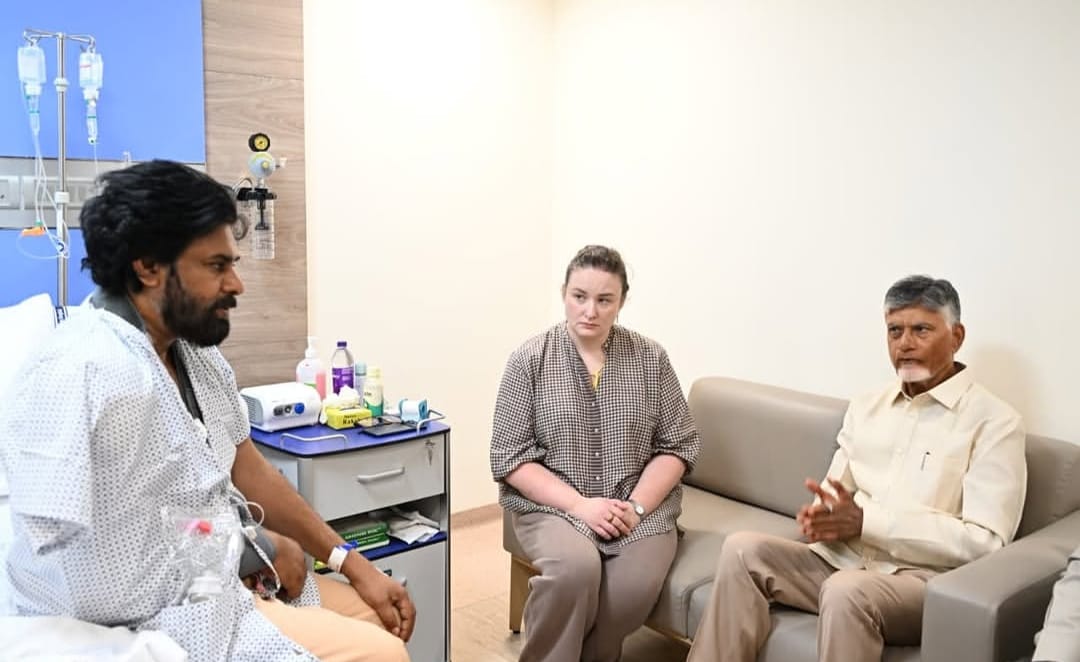
Following a right shoulder surgery in Mumbai, Andhra Pradesh Deputy Chief Minister Pawan Kalyan is steadily recovering. Chief Minister N. Chandrababu Naidu visited him during his recovery, while his wife, Anna Lezhneva, thanked supporters for their wishes and expressed hope for his speedy recovery. The update has also drawn attention to one of the most common shoulder injuries that often requires surgery: a rotator cuff tear. While these injuries are frequently associated with athletes, orthopaedic specialists say they are equally common among middle-aged adults, people with physically demanding jobs, and those who have suffered a fall or shoulder injury. According to Dr. Priyadarshi Amit, Sr. Consultant & Assistant Professor, Head-Upper limb surgeries, Amrita Hospital, Faridabad, surgery is only one part of the treatment journey. The real success of the procedure depends on careful rehabilitation and allowing the repaired tendon enough time to heal.
What Is A Rotator Cuff Tear?
"The rotator cuff is a bundle/network of four muscles and tendons that stabilises the shoulder joint and enables 360 degree of shoulder movements. The supraspinatus handles arm lifting, while the infraspinatus facilitates outward rotation. When injured, the shoulder loses stability and strength. In this case, it was further complicated by an avulsion fracture of the G.T. This occurs when severe tension from the tearing rotator cuff tendons pulls off a fragment of bone where they are attached. Chronic stress, repetitive pulling, or sudden trauma can cause this combined injury, leading to persistent pain and restricted mobility," says Dr. (Prof) Amite Pankaj Aggarwal, Principal Director and HOD - Orthopaedics and Joint Replacement, Fortis Hospital Shalimar Bagh.
Undergoes Shoulder Surgery: Experts Explain the Recovery Process.
A tear can develop suddenly after an injury or gradually over time due to age-related wear and tear. Small tears may respond well to physiotherapy and medication, while larger or complete tears often require surgery to restore shoulder function. "Pawan Kalyan's successful shoulder surgery has brought to the forefront a condition we see regularly in orthopaedic practice rotator cuff tears," says Dr. Priyadarshi Amit.
"These injuries are common in athletes but are just as common in those older than 40, those who do repetitive overhead work, or those who have had a fall or shoulder injury. If a large tear causes persistent pain, weakness or loss of function despite physiotherapy, surgery is often the most effective treatment," he adds.
Also read: Strong Bones Need More Than Just Calcium and Vitamin D3, Says Luke Coutinho
Common Symptoms Of A Rotator Cuff Tear
A torn rotator cuff doesn't always cause severe pain immediately. In many people, symptoms develop gradually and worsen over time. Some common warning signs include: Persistent shoulder pain, especially at night
- Difficulty lifting the arm overhead
- Weakness while carrying objects
- Pain while reaching behind the back
- Clicking or popping sounds during shoulder movement
- Reduced range of motion
- Difficulty sleeping on the affected side
If these symptoms persist for several weeks or interfere with daily activities, an orthopaedic evaluation is recommended.
When Is Surgery Needed?
Not every rotator cuff tear requires an operation. Doctors usually begin treatment with conservative measures such as rest, anti-inflammatory medication, physiotherapy, and activity modification. However, surgery may be recommended if:
- The tear is large or complete
- Pain persists despite months of physiotherapy
- Shoulder weakness affects daily activities
- The patient has an active lifestyle or participates in sports
- The injury follows a traumatic fall
Modern shoulder surgeries are commonly performed arthroscopically through small incisions, allowing surgeons to repair the damaged tendon with minimal tissue disruption. "The first four to six weeks are generally focused on protecting the repair. Patients are usually advised to wear a sling while beginning supervised passive movements under the guidance of a physiotherapist. Active shoulder movements are introduced gradually over the next few weeks, followed by strengthening exercises once the repaired tissues have healed sufficiently. Returning too quickly to strenuous activity can compromise the repair and increase the risk of re-injury," says Dr. Yogesh K, Senior Consultant - Arthroscopy and Sports Injury, Aster Whitefield Hospitals.
Recovery Doesn't End In The Operation Theatre
Experts stress that surgery repairs the tendon, but rehabilitation restores shoulder function. "The tendon needs time to heal, and that is why the first few weeks are so important," explains Dr. Priyadarshi Amit. Immediately after surgery, patients typically wear a shoulder sling to protect the repair while beginning gentle, supervised exercises to prevent stiffness. The recovery generally progresses in phases:
First 4-6 Weeks
During this period, the repaired tendon begins healing back to the bone. Patients usually:
- Wear a sling most of the time
- Perform only passive or assisted movements
- Avoid lifting, pushing, or pulling
- Attend supervised physiotherapy sessions
The main objective is to protect the repair while maintaining joint flexibility.
Six To Twelve Weeks
As healing progresses, physiotherapists gradually introduce active movements and strengthening exercises. Most routine daily activities become easier during this stage, although heavy lifting is still avoided.
Four To Six Months
For individuals involved in sports, manual labour, or physically demanding professions, complete recovery usually takes four to six months. Returning to strenuous activity too early may place excessive stress on the repaired tendon and increase the risk of re-injury.
Don't Rush The Recovery
Many patients assume that once the pain decreases, the shoulder has completely healed. Orthopaedic experts warn that this is one of the biggest mistakes people make after surgery. "The worst thing a patient can do is to start activity again as soon as they start feeling better," says Dr. Priyadarshi Amit. "Relief of pain is not the same as a cure. For long-term restoration of shoulder strength, mobility and function, a structured rehabilitation programme, regular physiotherapy, good nutrition and patience are essential." Skipping physiotherapy sessions or resuming heavy exercise too soon can delay recovery and compromise surgical results.
Also read: Gurugram Hospital Performs Robot-Assisted Ceramic Total Knee Replacement On 54-Year-Old Woman
Tips For A Smooth Recovery
"Modern sports medicine addresses these complex injuries using arthroscopy, a minimally invasive surgical technique. Through keyhole incisions, a specialised camera (arthroscope) and miniature instruments are inserted to meticulously anchor the torn supraspinatus and infraspinatus tendons back to the bone. While stabilising the avulsed bony fragment, this precise approach minimises damage to surrounding healthy tissue, reduces post-operative pain, and sets the platform for optimal recovery," says Dr Aggarwal. Doctors recommend several measures to maximise healing after shoulder surgery:
- Follow sling instructions carefully.
- Attend every physiotherapy session.
- Perform only exercises approved by your doctor.
- Eat a balanced diet rich in protein to support tissue healing.
- Stay hydrated and get adequate sleep.
- Avoid smoking, which can slow tendon healing.
- Be patient and allow the shoulder enough time to recover.
Pawan Kalyan's surgery highlights a condition that affects thousands of people every year not just athletes. Rotator cuff tears become increasingly common with age and repetitive shoulder use, but timely diagnosis and appropriate treatment can help restore shoulder function. Experts emphasise that successful recovery depends as much on rehabilitation as on the surgery itself. Following medical advice, committing to physiotherapy, and avoiding an early return to strenuous activity are key to achieving the best long-term outcome.
Disclaimer: This content including advice provides generic information only. It is in no way a substitute for a qualified medical opinion. Always consult a specialist or your own doctor for more information. NDTV does not claim responsibility for this information.