

)
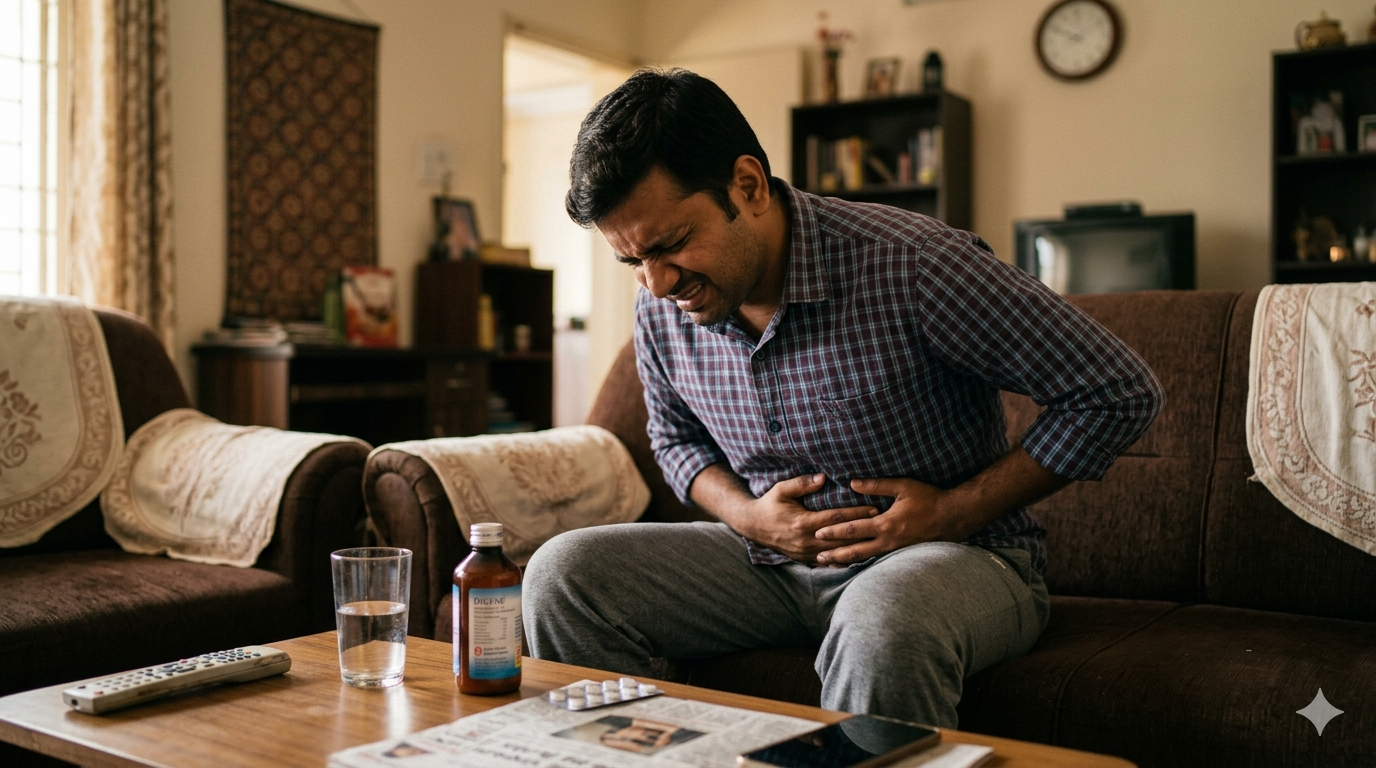
Harmi Kainth, 59, first developed abdominal pain in March 2022, which he believed he had "pulled an ab muscle". He was not particularly worried, but the pain did not disappear. He also began feeling unusually tired. His family later learned that these ordinary symptoms were linked to cholangiocarcinoma, a rare cancer that develops in the bile ducts. Tasha and Serena Kainth said that when their father's symptoms did not improve after a month, his wife, Sharan, encouraged him to go to the doctor where he had blood tests and he was prescribed acid reflux tablets.
According to a report in the Mirror, over the course of five months between initial symptoms and formal diagnosis, Tasha said her father's condition "deteriorated really quickly." He lost more than four stones, developed jaundice, had brown urine, lost his appetite and suffered constant hiccups that stopped him from sleeping. He became so weak that he struggled to climb stairs without becoming breathless.
Further tests later showed changes in his liver function. A CT scan eventually confirmed cholangiocarcinoma on August 5, about four to five months after he first saw a doctor. Harmi underwent chemotherapy, immunotherapy and surgeries before dying in October 2024, aged 62.
What Is Cholangiocarcinoma?
Cholangiocarcinoma is a rare cancer that develops in the bile ducts. These are small tubes that carry bile from the liver and gallbladder to the small intestine. Bile helps the body digest fats. The cancer can develop in different parts of the bile duct system. It may occur inside the liver, where it is called intrahepatic cholangiocarcinoma, or outside the liver, where it is known as extrahepatic cholangiocarcinoma. Since the disease is uncommon and its early symptoms can resemble other conditions, diagnosis may sometimes be difficult.
One of the challenges with cholangiocarcinoma is that its early symptoms can be vague. Abdominal discomfort, tiredness, reduced appetite or digestive problems can have many possible causes. This does not mean that every case of abdominal pain indicates cancer. However, symptoms that are persistent, worsen or occur alongside other warning signs should be discussed with a doctor.
Warning Signs Of Cholangiocarcinoma
Jaundice is one of the important symptoms to watch for. It causes the skin and whites of the eyes to turn yellow and can occur when a tumour blocks the normal flow of bile. Other possible warning signs include:
- Darker-than-usual urine
- Pale stools
- Itchy skin
- Persistent abdominal pain
- Loss of appetite
- Unexplained weight loss
- Extreme tiredness
- Nausea or vomiting
- Fever or feeling generally unwell
What Causes Cholangiocarcinoma?
There is no single cause of cholangiocarcinoma. It begins when cells in the bile ducts develop abnormal changes and start growing uncontrollably. Several conditions can increase the risk, including long-term inflammation or damage affecting the bile ducts. Certain liver and bile duct diseases can also raise the risk. However, some people develop the cancer without having any obvious risk factors.
How Is It Diagnosed?
Doctors may begin with blood tests, particularly when symptoms suggest a problem involving the liver or bile ducts. Liver function tests can provide important signs, although they cannot confirm cholangiocarcinoma.
Imaging tests are often needed. These may include ultrasound, CT scans or MRI scans to examine the liver, gallbladder and bile ducts. Other specialised procedures may be used to look more closely at the bile ducts or obtain a tissue sample.
Treatment For Cholangiocarcinoma
Treatment depends on where the cancer is located, how large it is, whether it has spread and the person's overall health.
If the tumour can be completely removed, surgery may offer the best chance of controlling the disease. However, surgery is not possible for every patient. Other treatments may include chemotherapy, immunotherapy and targeted medicines, depending on the characteristics of the cancer.
Procedures may also be required to relieve blocked bile ducts. A stent can help keep a narrowed or blocked duct open and allow bile to drain more normally.
Disclaimer: This content including advice provides generic information only. It is in no way a substitute for a qualified medical opinion. Always consult a specialist or your own doctor for more information. NDTV does not claim responsibility for this information.