

)
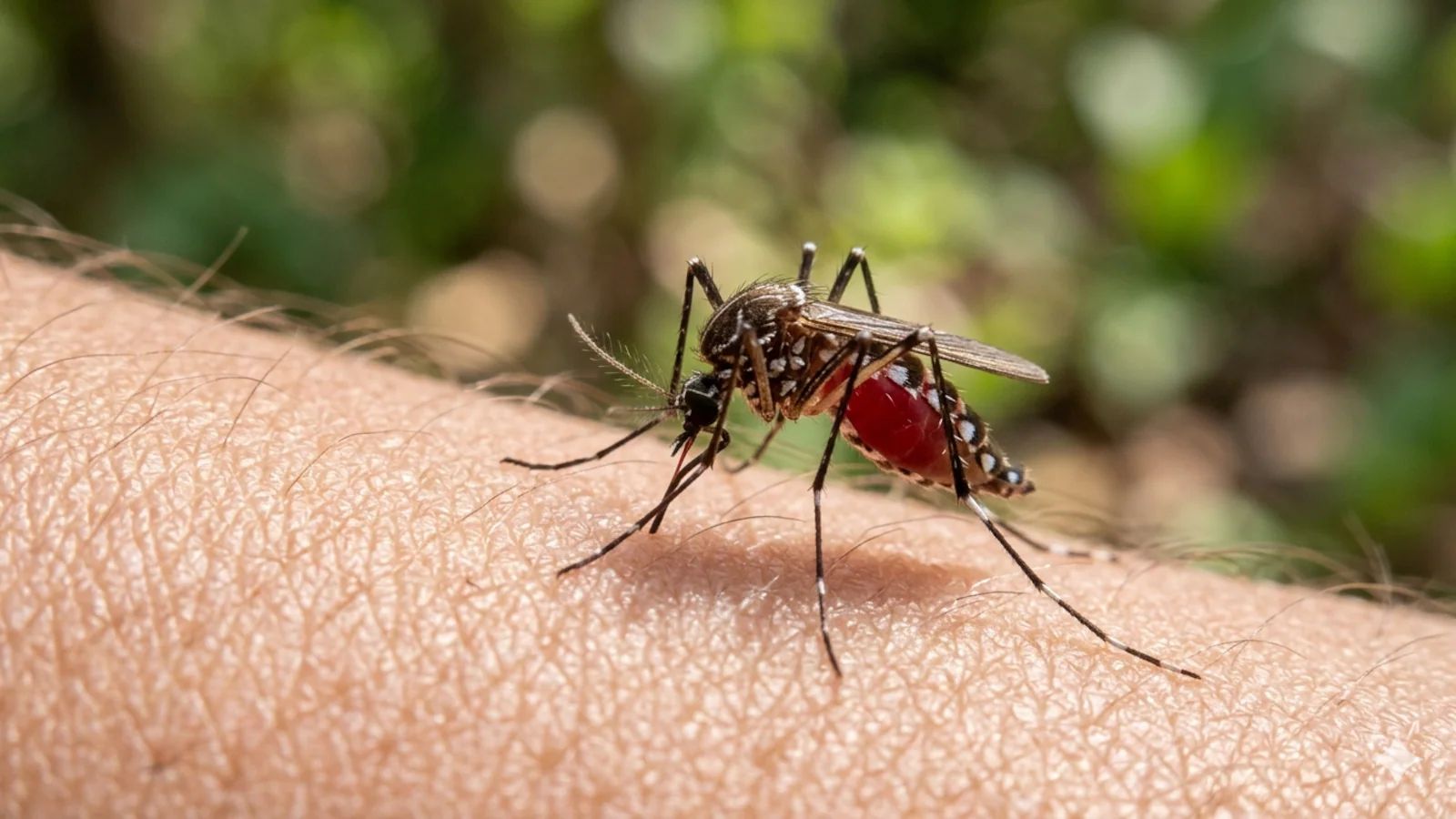
Mosquitoes are known to cause several vector-borne diseases such as malaria, dengue and chikungunya. However, new research has raised an unusual possibility: could a mosquito bite one day help protect against malaria instead of causing it? Scientists from the Walter and Eliza Hall Institute of Medical Research (WEHI) in Australia have developed an experimental vaccination approach in which malaria-carrying mosquito bites act like natural vaccine boosters. The study, published in Science, shows that this approach protected mice from malaria for an extended period.
While the idea may be surprising, researchers say that people should not deliberately expose themselves to malaria-infected mosquitoes. Instead, they used an antimalarial drug to stop the parasite at a specific point in its development inside the liver. This allowed the immune system to see more of the parasite without allowing it to progress to the stage that causes illness. Later mosquito bites could then strengthen the immune response. The findings are still at the preclinical, animal-study stage, but they could help scientists develop new ways to provide longer-lasting protection against malaria.
How Could A Mosquito Bite Become A Vaccine Booster?
The new research focuses on a particular stage of the malaria parasite's life cycle. When an infected mosquito bites, it introduces malaria parasites into the body. These parasites normally travel to the liver and multiply before eventually entering the bloodstream.
Researchers combined small doses of mosquito-delivered malaria parasites with experimental antimalarial compounds. The drugs used in the study, WM382 and MK-7602, are designed to block two proteins called plasmepsin IX and X. These proteins are important for the parasite's survival and development.
The drugs stopped the parasites near the end of their liver-stage development. This was important because the parasite was prevented from reaching the bloodstream and causing malaria, while the immune system was given a fuller exposure to the parasite.
In simple terms, the researchers created a situation where the immune system could "study" the malaria parasite without allowing it to progress to the disease-causing stage.
Justin Boddey, Associate Professor, WEHI, said, "Using this new drug compound, we've found a way to turn mosquito bites - the very thing that spreads malaria - into vaccination events in mice. This represents a shift in the way drugs could be employed to prevent malaria."
Prof Boddey added, "This means the parasite was stopped just before it could cause illness, while giving the immune system a fuller preview of the potential threats. The immune response generated required only a very small dose of parasites but was broader and longer lasting than most current vaccine approaches.
"This is because our approach allowed parasites to amplify and then triggered both antibodies and CD8+ T cells to protect against reinfection. Importantly, this included liver-resident memory T cells, which have the potential to respond rapidly to future infections and eliminate them before disease develops."
Why Is The Liver Stage Important?
Malaria parasites spend an important part of their life cycle inside the liver before moving into the blood. Researchers have long been interested in targeting this stage because stopping the parasite before it reaches the bloodstream could prevent illness altogether.
The new approach appears to take advantage of this window. By allowing the parasite to develop further in the liver but stopping it before it causes disease, the researchers were able to trigger a stronger immune response.
Mosquito Bites As Natural Boosters
One of the most unusual parts of the research is what happened after the initial immunisation. Later mosquito bites containing malaria parasites could reinforce the immunity that had already been developed. Researchers described this as a possible "vaccinate and boost naturally" approach. In areas where malaria is common, repeated exposure to infected mosquitoes could potentially act as additional immune stimulation, provided the parasites are controlled by the drug.
Disclaimer: This content including advice provides generic information only. It is in no way a substitute for a qualified medical opinion. Always consult a specialist or your own doctor for more information. NDTV does not claim responsibility for this information.