

)
A new study by scientists at the CSIR-Centre for Cellular and Molecular Biology (CCMB) in Hyderabad has revealed how viral infections such as influenza and COVID-19 may affect a protein linked to Parkinson's disease.
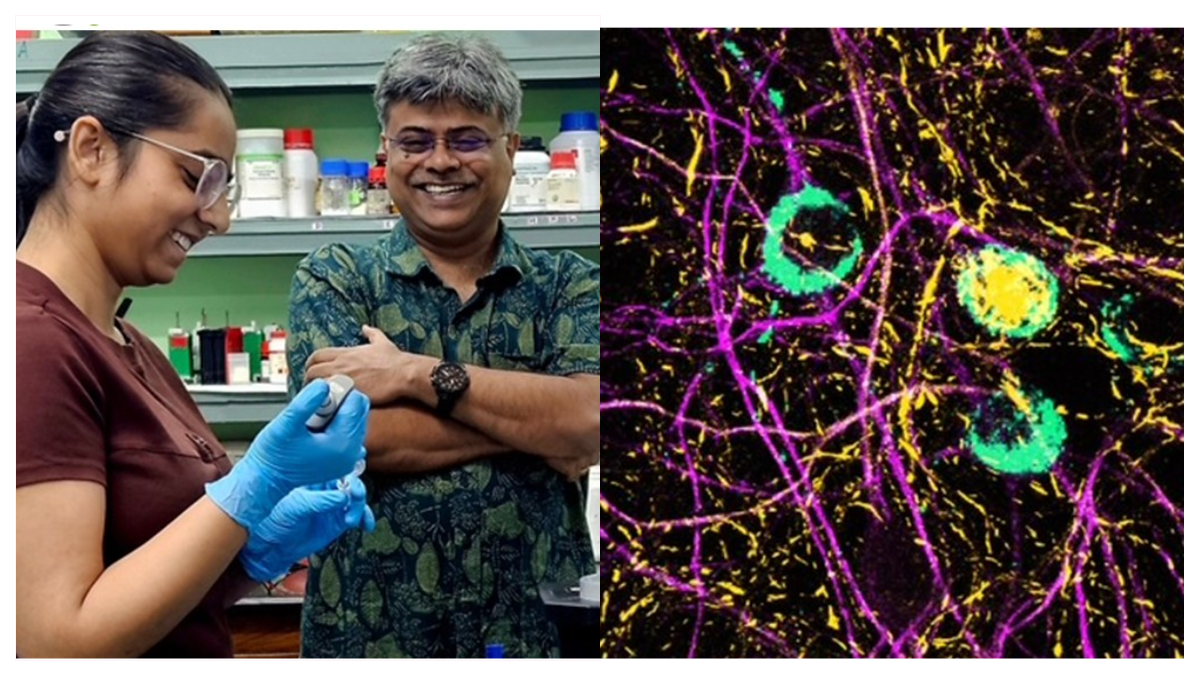
The study, led by Dr Swasti Raychaudhuri's laboratory at CCMB and published in the journal Cell Reports, has identified a possible molecular link between viral infections and the formation of harmful protein clumps associated with neurodegenerative diseases.
Researchers focused on alpha-synuclein, a protein found in nerve cells. In Parkinson's disease, alpha-synuclein can form abnormal clumps called amyloids, which can interfere with the normal functioning of brain cells.
The scientists found that RNA viruses, including influenza and SARS-CoV-2, contain special structures known as RNA G-quadruplexes (rG4s). During infection, these structures can interact with alpha-synuclein and influence its tendency to form amyloid clumps.
The study also identified a cellular defense protein called DDX39A. During viral infection, DDX39A moves from the cell nucleus into the cytoplasm, where it can bind to viral RNA structures and alpha-synuclein.
According to Dr Raychaudhuri, cells have protective mechanisms that can fight viral infections and prevent harmful protein aggregation. However, the balance between these processes can change during infection, and under certain conditions, amyloid formation may increase.
Study first author Aanchal explained that DDX39A can help break down the viral RNA structure, making it harder for the virus to multiply. At the same time, opening up the RNA structure can significantly slow the formation of alpha-synuclein amyloids.
The researchers stressed that this does not mean that every viral infection causes Parkinson's disease. Instead, the findings provide new evidence about how viral infections could influence cellular processes linked to neurodegeneration.
The CCMB team is continuing its research to understand whether repeated or long-term exposure to infections could contribute to changes that may increase the risk of neurodegenerative disorders over many years.
The findings could eventually help scientists better understand the connection between infections and diseases involving abnormal protein aggregation.
Disclaimer: This content including advice provides generic information only. It is in no way a substitute for a qualified medical opinion. Always consult a specialist or your own doctor for more information. NDTV does not claim responsibility for this information.