

)
86 million adults, which makes up about 35% of the population, struggle with high cholesterol. When the cholesterol level exceeds the established baseline of 200 mg/dL, then the people are considered to have borderline or high cholesterol. These figures were released in the 2026 Disease and Stroke Statistics Update by the American Heart Association (AHA) and Centre for Disease Control (CDC). While there are various existing therapies and treatment options available for controlling high cholesterol, their exact impact on the human body can vary based on factors such as genetic variations in heart function, processing of cholesterol through dietary choices, and even how the body accepts or rejects the prescribed medication.
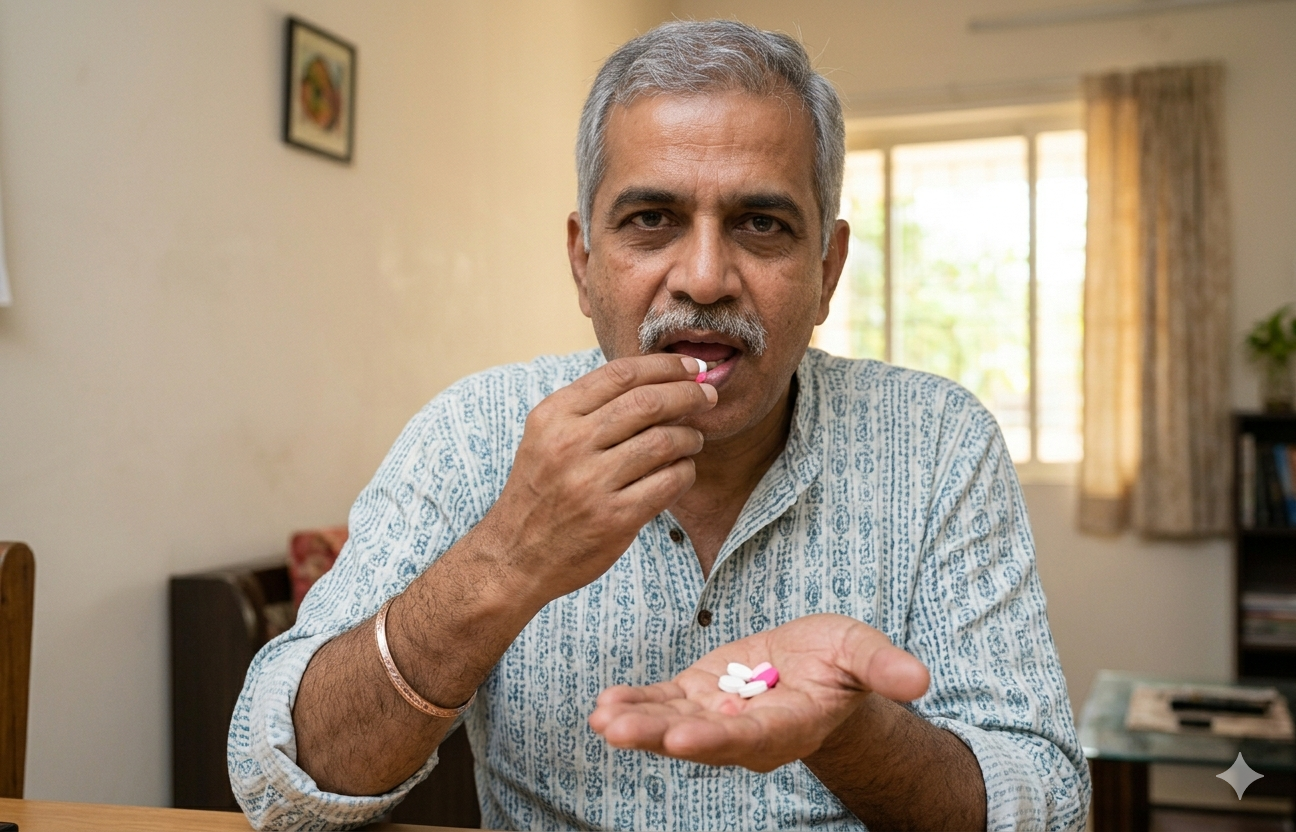
In a new landmark trial published in the New England Journal of Medicine, it is detailed that a new oral pill, Enlicitide, has shown a remarkable ability to cut "bad" LDL cholesterol by up to 60%. This was a result of a landmark phase three trial, offering hope for millions who struggle to control cholesterol despite statins. If approved, it could rival injections while being easier to take daily.
What Is Enlicitide?
Enlicitide is an experimental pill that can lower levels of low-density lipoprotein, known as LDL or bad cholesterol. The exact percentage that it promises to reduce is 60%, according to the phase 3 trial findings. It has yet to receive the green light from the Food and Drug Administration and could offer hope to millions of people globally and in India who suffer from mismanaged cholesterol levels.
Enlicitide targets the PCSK9 pathway in the liver. By inhibiting PCSK9, enlicitide prevents the breakdown of LDL receptors on liver cells, allowing these receptors to remove more LDL, or bad cholesterol, from the bloodstream. This mechanism is similar to that of some injectable drugs, which also reduce LDL cholesterol by targeting the PCSK9 pathway.
Currently, the treatment for high cholesterol levels is lifestyle changes and medications like statins, whose effectiveness varies on an individualised basis.
The pill form of the medication could be a breakthrough treatment option for managing bad cholesterol, as it can lead to individuals who can easily consume it as part of their medication routine.
Most importantly, the ease of use rather than the injections is the reason why people who are at risk of heart disease could benefit greatly from this.
Landmark Clinical Trial Results
This trial is a landmark, as it was performed with 2,909 patients whose bad, or LDL, cholesterol was reduced by 60% after 24 weeks of consuming the oral pill.
Subjects of this trial were able to maintain improvements for one year, which is why the effectiveness of this pill has been maintained.
But more trials and studies need to be performed on large and varied data pools to figure out the exact effectiveness of people with varied body types and genetic vulnerabilities, and those with pre-existing heart issues.
Also Read: High Blood Pressure In 30s? It Can Lead To Heart And Kidney Disease In 40s And 50s, Says Study
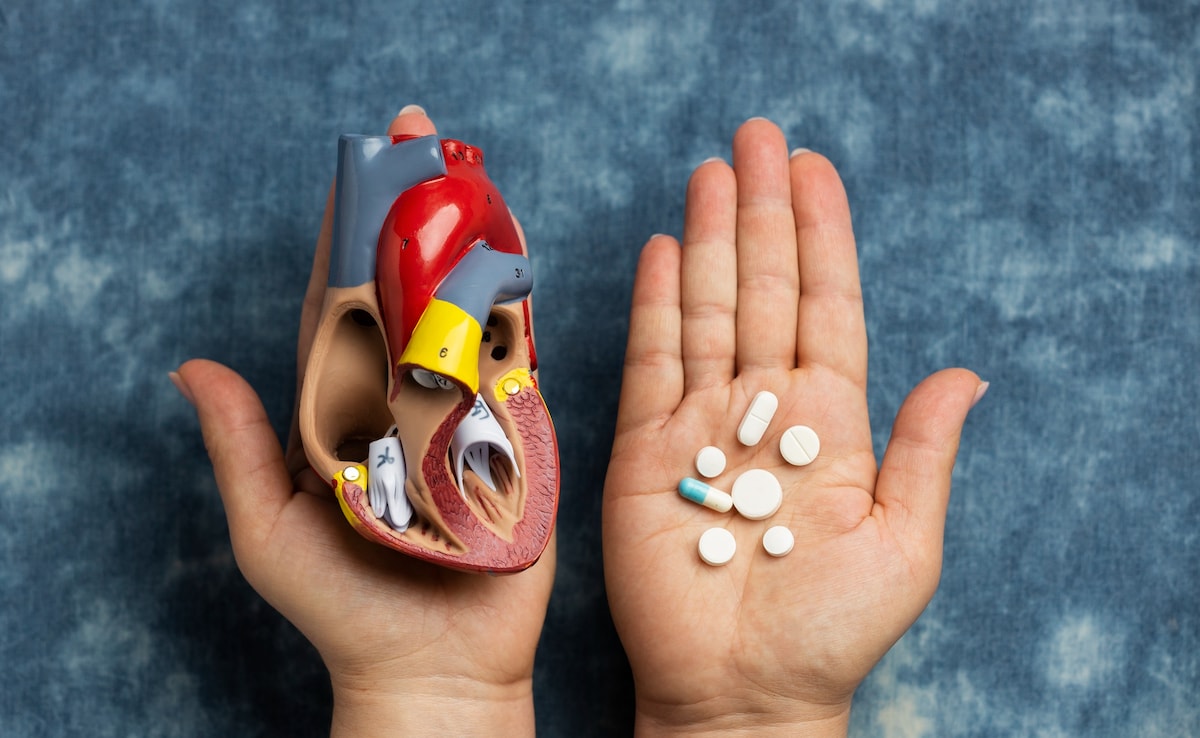
Medication for heart health
Photo Credit: Freepik
Why It Matters For India
This trial matters, as fewer than half of patients reach LDL (bad) cholesterol-lowering targets with statins. And the new oral therapy could improve compliance and accessibility to a varied population that is suffering from cholesterol issues.
Persistently high cholesterol levels lead to serious heart abnormalities, and Enlicitide could have the potential to reduce heart attacks and stroke risk.
There is a need for more ongoing trials on an Indian data pool, as the Indian Council of Medical Research, in a study, reported regional variations in high cholesterol levels (more than 200 mg/dl) from 4.6% to 50.3%, with greater prevalence in northern states, Kerala, Goa, and West Bengal.
So a large data pool from states with these high cholesterol figures could provide a better accuracy rate to confirm a reduction in heart attacks or strokes.
The FDA needs to provide approval for this drug, and its availability in India needs to be made once it is approved to improve the ability of people to better manage their high cholesterol levels.
And reduce the heart disease burden and health complications that can be caused by high cholesterol levels, and the proportional impact on the quality of life if someone with high cholesterol suffers a heart attack or stroke can also be reduced.
Enlicitide could revolutionise cholesterol management if used under medical supervision, as it is an experimental drug. It could become an easier, more effective option for millions who are struggling with high cholesterol worldwide.
Disclaimer: This content, including advice, provides generic information only. It is in no way a substitute for a qualified medical opinion. Always consult a specialist or your doctor for more information. NDTV does not claim responsibility for this information.