



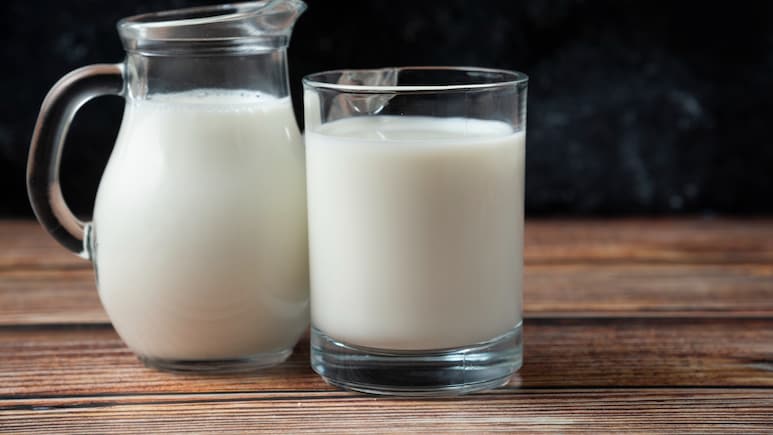
- A newborn in New Mexico died from a probable Listeria infection linked to raw milk consumption by the mother
- Raw milk can carry dangerous bacteria (Listeria, E. coli, Salmonella) posing risks to pregnant women, infants
- Pasteurisation kills harmful microbes in milk without reducing its nutritional value or causing intolerance
A tragic case in New Mexico, USA, where a newborn baby died from a serious bacterial infection likely tied to the mother's consumption of raw, unpasteurised milk during pregnancy, has triggered urgent health warnings. While investigators cannot pinpoint the exact cause of the infection, health officials say that unpasteurised milk is the most probable source of a Listeria infection, a germ that can silently invade the body and cause miscarriage, stillbirth, preterm birth or fatal infection in newborns, even if the mother feels only mildly ill.
Raw milk has become increasingly popular in some circles, partly due to claims on social media and movements promoting "natural" foods. However, medical and public health authorities warn that the risks far outweigh any unproven benefits. Raw milk can carry a wide range of dangerous microbes, including Listeria, E. coli, Salmonella and Campylobacter, that can cause life-threatening illnesses.
For pregnant women and other vulnerable groups, these threats are especially serious. Experts emphasise that pasteurisation, the process of heating milk to kill harmful bacteria, is a simple, proven way to protect both mothers and infants while still preserving milk's nutritional value.
Why Raw Milk Can Be Dangerous, Especially For Pregnant Women And Babies
Raw milk is dairy that has not undergone pasteurisation, a controlled heating process that kills dangerous pathogens. Pasteurisation has been used worldwide for over a century and has greatly reduced milk-borne diseases without significantly changing the milk's nutrition.
Unlike pasteurised milk, raw milk can harbour harmful bacteria that naturally live in animal intestines, on farm equipment, or in soil and water. These microbes include Listeria monocytogenes, Campylobacter, Salmonella, E. coli and others that cause serious foodborne illness.
Also Read: Think You Know Pregnancy Rules? Nutritionist Says Think Again
Listeria: A Hidden Threat
One of the most serious pathogens in raw milk is Listeria. It can survive and even grow at refrigerator temperatures, making it particularly dangerous in dairy products. When infected, a pregnant woman may have no symptoms or only mild flu-like signs, but Listeria can cross the placenta and infect the developing baby. This can lead to miscarriage, stillbirth, premature delivery, low birth weight or newborn death, as seen in the recent New Mexico case.
A US federal agency explains that pregnant women are about 10 times more likely to get listeriosis than other healthy adults, and that 1 in 6 cases of this infection occurs in pregnancy. The consequences for the baby can be devastating, even if the mother feels only mildly unwell.
Evidence And Outbreaks Explain How Serious This Is
Public health data show that milk that has not been pasteurised has caused numerous outbreaks of foodborne illness over the years. From 1998 through 2018, the CDC documented at least 202 outbreaks linked to raw milk in the United States alone, resulting in thousands of illnesses and numerous hospitalisations.
Studies also show that outbreaks tied to raw dairy products have led to serious outcomes like miscarriage, stillbirth, kidney failure and even death in some cases. Scientific evaluations confirm that raw milk does not provide added health benefits that justify these risks.
Furthermore, scientific reviews debunk common claims that raw milk is more nutritious or that its natural bacteria are beneficial. Major medical bodies, including the American Academy of Pediatrics, underscore that pasteurised milk delivers all the same nutrients without risking dangerous infections.
Who Is Most At Risk?
While anyone can get sick from contaminated raw milk, certain groups are especially vulnerable:
- Pregnant women and their babies: Increased risk of severe complications and newborn infection.
- Young children and infants: Developing immune systems are less able to fight infections.
- Older adults (over 65): Weaker immune response increases risk of serious illness.
- People with weakened immunity: Those with chronic diseases, on certain medications, or immunocompromised individuals are at higher risk of dangerous outcomes.
Why Pasteurised Milk Is Safer, Without Losing Nutrition
Pasteurisation involves heating milk to a temperature that destroys harmful pathogens while retaining essential nutrients like calcium, protein and vitamins. Public health authorities emphasise that pasteurised milk is just as nutritious as raw milk, and the safety benefits have been repeatedly confirmed by scientific studies.
Contrary to some beliefs, pasteurised milk:
- Does not cause lactose intolerance or allergic reactions any more than raw milk.
- Does not reduce nutritional content in a meaningful way.
- Does kill harmful bacteria that can cause serious illness.
Also Read: Pregnancy Diet: What Is The Best Time To Take Iron And Calcium Supplements?
Practical Tips for Consumers
Health agencies recommend:
- Always choose pasteurised dairy products. Check labels before purchase.
- Be cautious with soft cheeses and unpasteurised dairy, as they are more prone to contamination.
- Pregnant women should avoid raw milk and products made from it entirely.
- If you or someone becomes ill after consuming raw milk, seek medical advice promptly.
The heartbreaking death of a newborn likely linked to a mother's consumption of raw milk highlights a core public health message: Milk that hasn't been pasteurised carries real dangers. Scientific evidence shows raw milk can harbour dangerous bacteria, including Listeria, that can cause serious or even fatal infections, especially in vulnerable populations like pregnant women and infants.
In contrast, pasteurisation has a long history of making dairy safe while preserving its nutrition. Public health experts around the world recommend choosing pasteurised dairy to protect families from preventable illness. Making informed choices about what we drink matters, and in the case of milk, safety should always come first.
Disclaimer: This content including advice provides generic information only. It is in no way a substitute for a qualified medical opinion. Always consult a specialist or your own doctor for more information. NDTV does not claim responsibility for this information.
Track Latest News Live on NDTV.com and get news updates from India and around the world

