

)
Delhi has reported more than 100 fresh dengue cases in a week. According to the Municipal Corporation of Delhi's (MCD) latest vector-borne disease report, the national capital recorded 104 new dengue cases in the week leading up to October 10. This follows 98 cases reported in the preceding week, taking the total number of dengue cases recorded this year to 695. Delhi reported 286 dengue cases in September, compared with 260 during the same month last year. The city recorded 377 cases in October last year.
The civic body has stepped up its mosquito-control efforts, particularly around temples and Ramlila venues, where large crowds gather during the festive season. Officials have been directed to carry out regular fogging, anti-larval measures and sanitation drives in vulnerable areas. The rising number of cases highlights the need for continued mosquito-control measures even after the monsoon season comes to an end.
Why Does Dengue Risk Continue After The Monsoon?
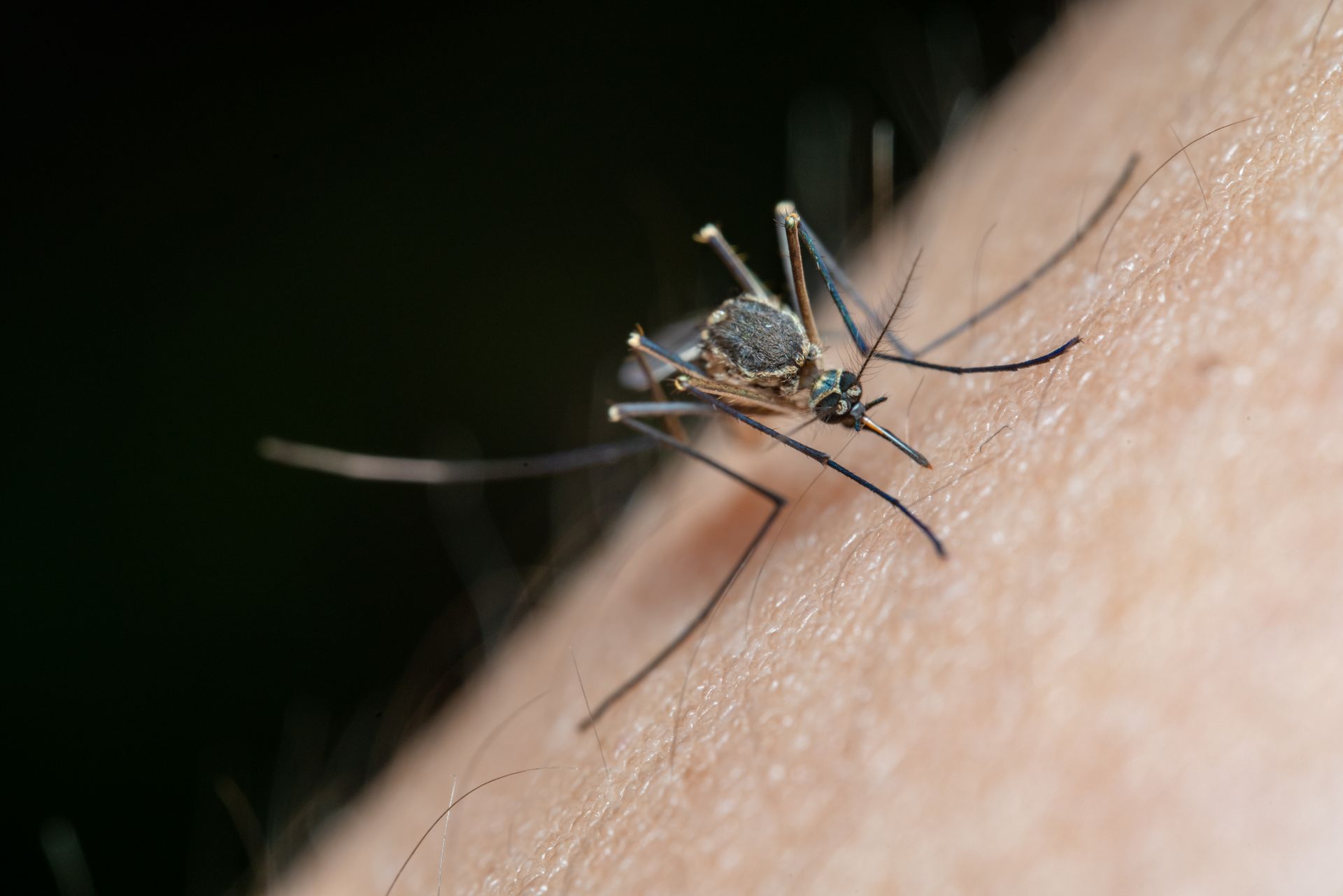
Dengue is a mosquito-borne viral infection that is spread by infected female Aedes aegypti mosquitoes. These mosquitoes commonly bite during the day and breed in stagnant water that gets collected in containers, flowerpots, coolers, discarded tyres and other items. Although heavy rainfall may decrease after the monsoon, water can be trapped in several places. Intermittent rain, humidity and warm temperatures can also create favourable conditions for mosquitoes to survive and breed. Even a small amount of stagnant water can become a breeding site.
Mosquitoes can continue to spread the virus as long as there are suitable breeding conditions and there are infected mosquitoes. Therefore, people should not stop using mosquito repellents or checking their surroundings simply because the weather has become cooler or the rainy season has ended.
What Are The Symptoms Of Dengue?
Dengue symptoms usually appear around four to 10 days after a mosquito bite. Some common symptoms include:
- High fever
- Severe headache
- Pain behind the eyes
- Muscle and joint pain
- Nausea and vomiting
- Skin rash
- Unusual tiredness
In some cases, dengue can progress to severe dengue, which may cause internal bleeding, fluid leakage, shock and organ damage. Warning signs include severe abdominal pain, persistent vomiting, bleeding from the nose or gums, blood in vomit or stools, and unusual drowsiness or restlessness.
How Can You Protect Yourself From Dengue?
- Remove stagnant water: Empty and clean water containers, flowerpot trays, coolers and buckets regularly. Cover water-storage containers tightly and remove items that can collect rainwater.
- Use mosquito repellents: Apply mosquito repellents according to the product instructions, especially during the day when infected mosquitoes are most active.
- Wear protective clothing: Choose loose-fitting, full-sleeved shirts and long trousers to reduce exposed skin.
- Keep doors and windows screened: Use mosquito screens wherever possible. Repair holes in existing screens and use mosquito nets when needed, especially for infants.
- Keep your surroundings clean: Dispose of waste properly, clean drains where needed and prevent water from collecting around homes, terraces and balconies.
- Civic inspections: Allow municipal workers to inspect your premises and identify potential breeding sites. Report areas with persistent stagnant water.
Why Is Early Medical Attention Important?
Dengue cannot be diagnosed just from symptoms alone because its early signs can be similar to those of other infections. Doctors may recommend blood tests, depending on the duration of symptoms and the patient's condition.
It is also important to note that there is no specific antiviral treatment for dengue. Doctors usually focus on managing symptoms, maintaining adequate hydration and monitoring for complications. Patients should follow their doctor's advice and avoid self-medication. Aspirin and non-steroidal anti-inflammatory drugs such as ibuprofen should be avoided in suspected dengue cases because they can increase the risk of bleeding.
Even though the monsoon season has come to an end, the rise in dengue cases highlight why prevention is important beyond the season.
Disclaimer: This content including advice provides generic information only. It is in no way a substitute for a qualified medical opinion. Always consult a specialist or your own doctor for more information. NDTV does not claim responsibility for this information.