

)
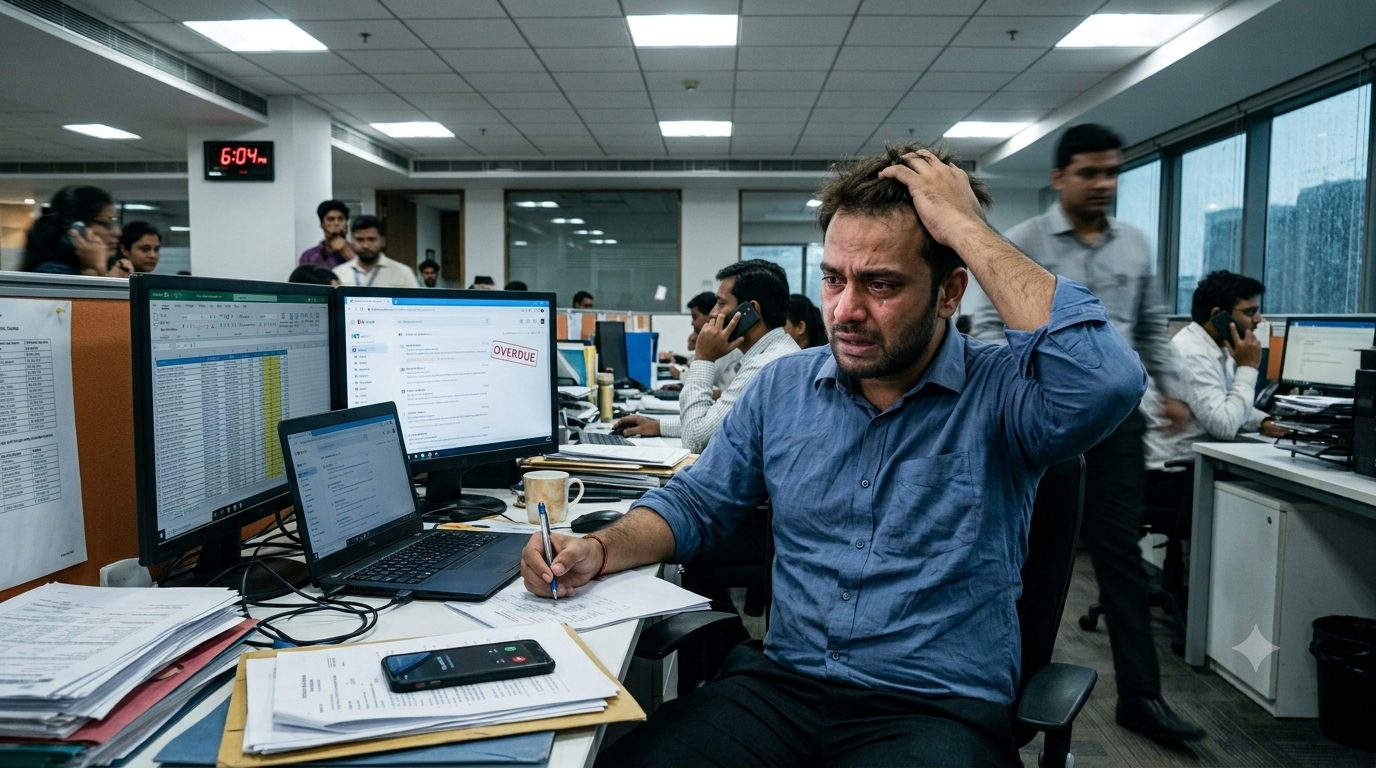
For many professionals, being constantly busy has become a symbol of success. Packed calendars, late-night emails, skipped lunch breaks and working through weekends are often celebrated as signs of ambition and commitment. Yet, what happens when the body begins to see this relentless pace as its new normal?
Social media has popularised the phrase "cortisol addiction" to describe people who seem unable to slow down or relax. While the term is catchy, doctors say it oversimplifies a much more complex physiological process. People are not literally addicted to cortisol-the body's primary stress hormone-but they can become conditioned to chronic stress, where the brain and body remain in a prolonged state of alertness.
This constant activation of the body's stress response can have far-reaching consequences. Beyond mental exhaustion, chronic stress is associated with poor sleep, impaired concentration, anxiety, weight gain, elevated blood pressure, insulin resistance and an increased risk of cardiovascular disease. The problem is especially relevant among corporate employees, who often face long working hours, digital overload and blurred boundaries between professional and personal life.
Understanding how chronic stress reshapes the body, and recognising when "being busy" has crossed into an unhealthy pattern, is the first step towards protecting both physical and mental health.
What Is Cortisol And Why Is It Important?
Cortisol is a hormone produced by the adrenal glands in response to signals from the brain. It plays a vital role in helping the body respond to stress by increasing blood sugar, regulating blood pressure, reducing inflammation and mobilising energy.
Under normal circumstances, cortisol follows a daily rhythm, peaking in the morning to help wake the body and gradually declining throughout the day. During stressful situations, cortisol temporarily rises to help people respond effectively.
Problems arise when this stress response remains switched on for weeks, months or even years.
According to the World Health Organization (WHO), chronic workplace stress that is poorly managed can contribute to burnout, a syndrome characterised by exhaustion, increased mental distance from work and reduced professional effectiveness.
Are People Really 'Addicted' To Cortisol?
According to Dr. Narendra BS, Lead Consultant - Endocrinology & Diabetology, Aster Whitefield, the phrase "cortisol addiction" is medically misleading. "People often say this is being 'addicted to cortisol,' but medically it's actually more accurate to say we have become conditioned to chronic stress. The body was never built to stay in a state of high alert all day, every day."
He explains that cortisol itself is not harmful. "Cortisol is a crucial hormone. It helps us meet challenges, but when the stress response keeps getting triggered over and over, without enough time to recover, it starts to ripple through almost every organ system."
Rather than becoming addicted to the hormone, many people unknowingly train their brains to associate constant urgency with productivity, making periods of rest feel uncomfortable or even guilt-inducing.
Why Corporate Workers Are Particularly At Risk
Today's workplace has created an "always-on" culture. Remote work, smartphones and instant messaging mean employees remain connected long after office hours. Many professionals routinely answer emails late into the night, skip breaks and sacrifice sleep to meet deadlines.
Dr. Narendra says this pattern has become increasingly common in clinical practice. "Over the last decade, I've noticed a change in the way people talk inside the clinic. Back then, stress was something people wanted to avoid. Now, many wear it like a badge of honour."
He adds: "The second the workload eases, they get uneasy, almost restless and begin asking themselves, 'Am I doing enough?' At that point, it doesn't feel like ambition anymore. It feels like the mind has learned to run in survival mode."
Research published by the International Labour Organization (ILO) and WHO has linked long working hours with a significantly increased risk of stroke and ischaemic heart disease, highlighting that excessive work can have measurable health consequences.
How Chronic Stress Affects The Body
When cortisol remains elevated for prolonged periods, multiple organ systems are affected.
Common symptoms include:
- Persistent fatigue
- Brain fog and difficulty concentrating
- Anxiety and irritability
- Poor sleep quality
- Frequent headaches
- Digestive disturbances
- Elevated blood pressure
- Weight gain, particularly around the abdomen
- Increased blood sugar levels
- Reduced immunity
Long-term exposure to chronic stress has also been associated with insulin resistance, type 2 diabetes, obesity, depression and cardiovascular disease. The American Psychological Association notes that chronic stress can disrupt nearly every biological system, increasing vulnerability to numerous chronic illnesses.
Why Rest Feels Uncomfortable
One overlooked consequence of chronic stress conditioning is psychological discomfort during periods of inactivity. People accustomed to constant stimulation may experience guilt while taking breaks or anxiety during weekends. Instead of feeling refreshed, they become restless because the brain has adapted to functioning in a continuous state of urgency.
Dr. Narendra observes: "Always being available has come to be identified with commitment. We celebrate long hours of work, lack of breaks for meals and sleeping next to our laptop without realising these are signs that recovery has disappeared from our schedules."
Breaking The Cycle
Managing chronic stress does not require avoiding responsibility or ambition. Instead, it involves allowing the body's stress response to switch off regularly. Dr. Narendra emphasises: "Managing this isn't about avoiding hard work. It's about teaching the brain that rest is also productive."
He recommends simple, sustainable habits, including:
- Maintaining a consistent sleep schedule
- Taking short movement breaks every hour
- Eating regular meals
- Setting boundaries after work
- Scheduling screen-free time
- Exercising regularly
- Practising mindfulness or breathing exercises
- Staying socially connected
"The most resilient professionals aren't the ones who are on 24x7; they are the ones who know when to switch off," he says.
When Should You Seek Medical Help?
Occasional stress is a normal part of life. However, medical evaluation is recommended if stress symptoms:
- Persist for several weeks
- Interfere with work performance
- Cause insomnia
- Lead to frequent panic attacks
- Trigger persistent high blood pressure
- Cause unexplained weight gain
- Result in depression or thoughts of self-harm
Early intervention, including lifestyle changes, counselling or medical treatment where appropriate, can help prevent long-term complications.
The modern workplace often rewards busyness, but constant pressure should not be mistaken for productivity. While people cannot become biologically "addicted" to cortisol, they can become conditioned to chronic stress, keeping the body's alarm system switched on long after the immediate challenge has passed.
Recognising the warning signs, protecting recovery time and redefining success beyond long working hours can help reduce the long-term health risks associated with chronic stress. As Dr. Narendra concludes, productivity should be measured by the quality of work, not by how exhausted we are at the end of the day.
Disclaimer: This content including advice provides generic information only. It is in no way a substitute for a qualified medical opinion. Always consult a specialist or your own doctor for more information. NDTV does not claim responsibility for this information.