

)
A disease thought to be eliminated in the year 2000 In the US has resurfaced.
Measles is making a troubling comeback across the world, with major outbreaks reported in South Asia, the Americas, Africa and other regions. The latest figures highlight the scale of the challenge.
The United States reported 4,080 confirmed cases as of 8 October 2026, according to the US Centers for Disease Control and Prevention (CDC). New York has declared a disaster emergency in response to a growing outbreak, while neighboring Pennsylvania reporting more than 1,000 cases.
Reuters has reported one more death in Pennsylvania Franklin County bringing the state's deaths from the infectious disease to six.
US is not alone. The spread has been reported in South
There is a clear relationship between measles resurgence and vaccination coverage. This is particularly unfortunate because measles is a disease for which we have an excellent vaccine and an effective immunisation programme. Many parts of the world had come close to eliminating measles.
More than 166,000 suspected cases and 999 suspected or confirmed measles-related deaths have reportedly been recorded since March 2026, including 100 confirmed measles deaths.
It all boils down to who is taking the vaccine and how much of misinformation around it is being spread, say top health experts.
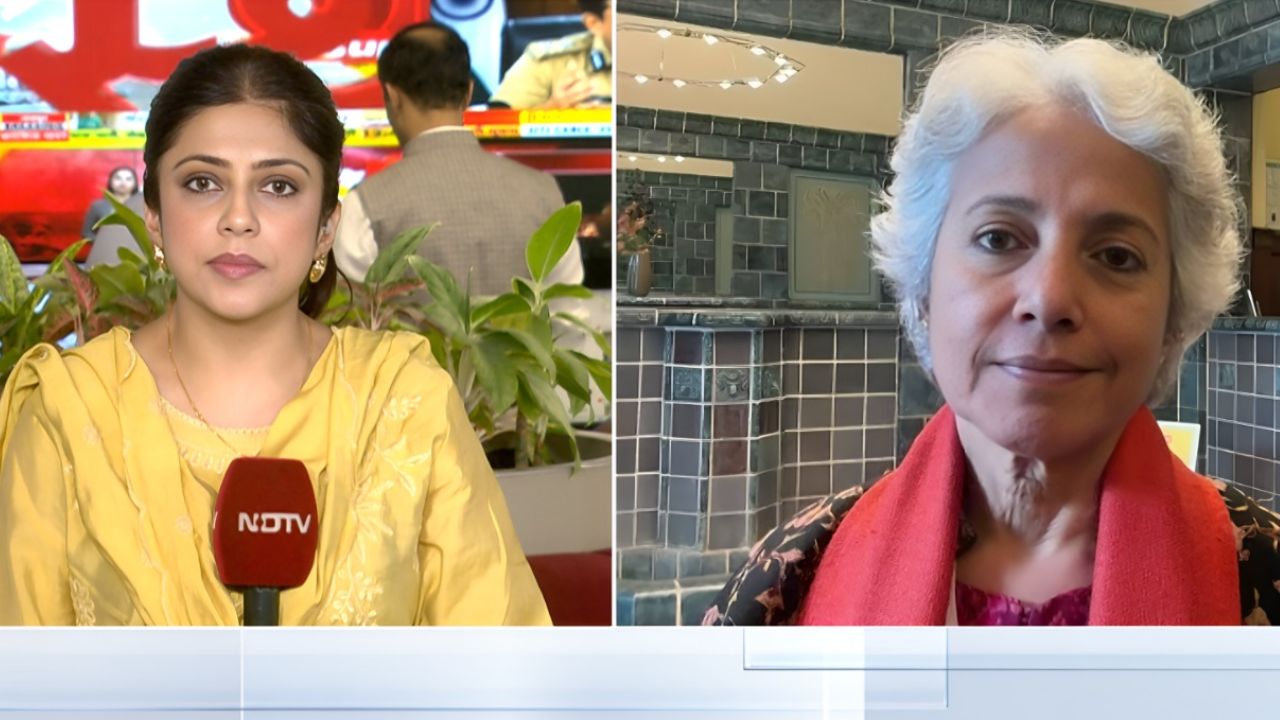
"The resurgence in some regions reflects gaps in vaccination coverage. Health departments must understand why fewer children are being vaccinated and identify the underlying causes" said Dr Soumya Swaminathan, Former Deputy Director, World Health Organization.
READ | Measles Makes A Comeback: Could The US Outbreak Spark A Worldwide Spread Of Cases?
The Centre for Disease Control continues to recommend two doses of MMR vaccine, usually at 12-15 months and 4-6 years of age.
Those without evidence of immunity may need vaccination says the CDC.
National vaccination coverage among kindergarteners has dropped below the 95% level generally needed to prevent sustained measles transmission says the CDC.
Reasons for spread could vary from International travel to misinformation.
"In some cases, the problem may be misinformation or concerns about vaccine safety. In others, it may involve practical barriers to accessing healthcare." says Dr Swaminathan.
What then is the way forward?
Health experts advise a robust campaign to dispel myths around vaccination to improve uptake and building confidence around the use of vaccines to prevent infection.
"We need behaviour-change and information campaigns that address people's concerns, answer their questions and explain the benefits of vaccination. Local leaders, faith-based organisations, community representatives and public figures can help build confidence.
People have become accustomed to living without many of the childhood diseases that once caused widespread illness and death. As a result, some may underestimate the importance of vaccination." Swamanithan adds.
She also says that physical access remains a challenge in some areas. There are communities that are difficult to reach, including migrant populations and people living in refugee camps. As a result, small numbers of children may be left out of vaccination programmes.
The reasons for an outbreak in a country like Bangladesh would be very different.
The British Medical Journal opines that "From August 2024 to February 2026, Bangladesh was led by an interim government that faced frequent political turmoil, including strikes and mass protests. These events disrupted the usual vaccination activities: the mass vaccination campaign for measles rubella that usually takes place every four years did not happen, with the last campaign implemented in 2020.
Various senior positions in the health sector were vacant for several months and the expanded programme on immunisation was overhauled. This situation was compounded by a general lack of administrative preparedness and foresight: approval of the purchase and supply of vaccines and essential medicines was slow, on top of delayed release and shortage of funds. This led to depleted stockpiles of vaccines. Shortages of health workers were also reported: 45% of these positions were vacant in more than half of districts in 2025. Ongoing strikes by those workers who were in post exacerbated the situation. Furthermore, policy makers failed to recognise the the implications of global measles outbreaks in 2024 and the risk that cases could be imported."
"There are also communities in which people choose not to vaccinate their children because of particular beliefs.
However, one of the most concerning recent challenges is the spread of misinformation and disinformation about vaccines through social media and anti-science groups.
Such messages often rely on fear and emphasize perceived risks without adequately explaining the benefits of vaccination. Addressing this requires a more comprehensive approach, including collaboration with behavioral scientists and community leaders.
We need to understand why people are hesitant, address their concerns and rebuild confidence in vaccines." urges Dr Swaminathan.
Disclaimer: This content including advice provides generic information only. It is in no way a substitute for a qualified medical opinion. Always consult a specialist or your own doctor for more information. NDTV does not claim responsibility for this information.