

Women often deal with several health problems while managing their responsibilities. Over time, these issues can affect their energy, mood and overall quality of life. While some health concerns need medical care, small changes in habits can also make a difference.
One of the easiest ways to start is by paying attention to what you eat. A balanced diet gives your body the nutrients it needs to stay active and can lower the risk of conditions such as heart disease and diabetes. Though, knowing which foods to eat regularly can sometimes be confusing.
Gastroenterologist Dr Palaniappan Manickam recently shares a list of foods that women should try to include in their diet almost daily.
On Instagram, the health expert recommends that women should consume spinach and other green leafy vegetables because they are “rich in iron," which is important as women lose iron “monthly through menstruation, so it is very critical.” Cooking spinach and adding lemon juice can help the body absorb iron better.
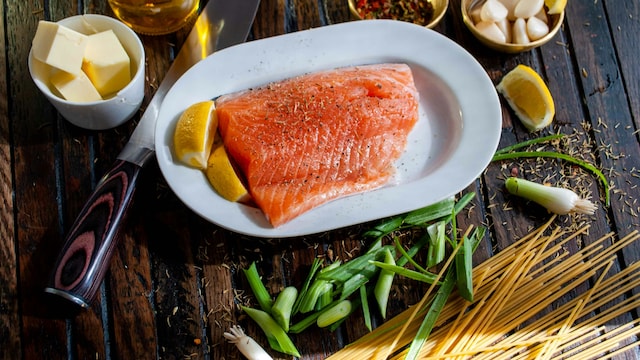
He also suggests eating fatty fish like salmon and mackerel two to three times a week. These fish provide omega 3 and vitamin D, which “support heart health, egg quality, and fetal brain development, especially if you're pregnant.”
Vegetarians can ask their doctor about supplements.
Foods like ragi, paneer, milk and cheese provide calcium, which helps keep bones strong and lowers the risk of bone weakness. Beans and chickpeas are also useful because they feed good bacteria in the gut and “support the gut-ovarian axis if you're dealing with PCOS or infertility issues.”
Nuts and seeds, especially pumpkin seeds, provide “magnesium and healthy fats” that help maintain “bone metabolism, especially after menopause.”
Dr Palaniappan Manickam explains that women's nutritional needs change at different stages of life. Instead of following a special diet, they should focus on eating foods that provide the nutrients their bodies need.
Also Read: Running, Lifting, Stretching, Breathing: Is Yoga The Missing Link In Your Fitness Routine?
Disclaimer: This content including advice provides generic information only. It is in no way a substitute for a qualified medical opinion. Always consult a specialist or your own doctor for more information. NDTV does not claim responsibility for this information.