

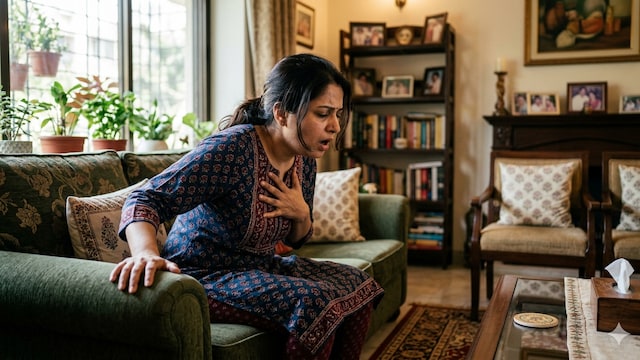
A morning walk that feels comfortable in October may become more demanding in December. Someone with an underlying heart condition might notice breathlessness while climbing stairs or a heaviness in the chest after walking outdoors. These symptoms are sometimes dismissed as a reaction to cold weather, especially when they settle after a few minutes of rest. However, they may indicate that the heart is struggling to receive enough blood.
The relationship between cold weather and heart attacks has been studied extensively. Research published in the British Medical Journal, involving over 84,000 heart attack admissions in England and Wales, found that every 1 degrees Celsius fall in temperature was associated with a 2% increase in heart attack risk over the current and following 28 days. While the findings come from a different climate, they help explain why people with existing cardiovascular problems need to be more careful during winter.
What changes inside the body during winter?
When temperatures fall, blood vessels near the skin narrow to conserve body heat. This makes it more difficult for blood to flow and can increase blood pressure. This makes the heart work harder to pump the blood around. Bad news for those who already have coronary arteries narrowed by fatty deposits.
Exposure to cold may also increase the heart's oxygen demand. If the coronary arteries can't deliver enough oxygen-rich blood, a person may experience discomfort in the chest, especially with physical activity.
Changes in blood clotting may add to the risk. Cold has been linked with increased platelet activity and blood viscosity. These changes may favour clot formation, which is particularly dangerous when fatty plaques are already present in the coronary arteries. A heart attack commonly occurs when a clot forms over a ruptured or eroded plaque and blocks blood flow.
Winter also brings changes in routine. Reduced exercise, heavier meals and weight gain can make blood pressure, diabetes and cholesterol harder to control. Respiratory infections such as influenza add another concern. The inflammation caused by infection can place additional stress on the cardiovascular system and, in vulnerable individuals, may trigger a cardiac event.
READ | Peripheral Vascular Disease Explained: Symptoms, Risks, Prevention And Treatment
Recognising symptoms before it is too late
Heart attacks do not always begin with severe chest pain. Some people experience mild discomfort that comes and goes. Others complain of breathlessness or nausea and assume they have acidity or a respiratory problem.
The symptoms that require immediate attention include:
- Chest pain: Pressure, squeezing, tightness or heaviness in the chest that does not go away or comes back.
- Pain spreading elsewhere: Discomfort spreading to arms, shoulders, neck, jaw or back.
- Difficulty breathing suddenly, sometimes without chest pain.
- Cold sweating or nausea: Unexplained sweating, vomiting, dizziness or faintness.
- Unexplained Fatigue: Sudden weakness or tiredness, especially if it occurs along with other symptoms.
Women, older adults and people with diabetes may sometimes experience less prominent chest discomfort. Breathlessness, nausea or unusual fatigue may be their main complaints. Another sign to watch for is a feeling of chest heaviness while walking or climbing stairs that gets better with rest. This can be a sign of angina because the heart muscle isn't getting enough blood. New or worsening symptoms should be evaluated promptly. If you still feel bad, or you have symptoms of a heart attack, you need emergency treatment.
Does exercising in cold weather increase the risk?
Exercise is important for your heart health all year. However, sudden physical exertion in cold conditions can increase blood pressure and the heart's oxygen requirements.
If you have been sedentary, do not suddenly begin taking brisk morning walks or engaging in strenuous exercise. It may be better to start slow and to warm up and exercise during warmer hours. Those with known coronary artery disease or a previous heart attack should follow their cardiologist's advice regarding exercise intensity.
A few precautions can help people with cardiovascular risk factors manage their health during winter:
- Monitor blood pressure and blood sugar as advised, and continue prescribed medication
- Avoid sudden exposure to cold temperatures and wear adequate layers outdoors
- Maintain regular physical activity without pushing beyond comfortable limits
- Limit excess salt, saturated fats and processed foods
- Avoid smoking, remain hydrated and discuss recommended vaccinations with a doctor
- Why immediate treatment matters
A common reason for delayed treatment is the belief that chest discomfort will disappear with rest or medication for acidity. Unfortunately, a heart attack may begin with symptoms that seem manageable.
Anyone experiencing symptoms suggestive of a heart attack should seek emergency medical assistance immediately. They should stop physical activity, rest while help arrives and avoid driving themselves to hospital.
During a heart attack, interrupted blood flow deprives part of the heart muscle of oxygen. The longer this continues, the greater the risk of permanent damage. Early treatment can restore circulation and improve recovery.
People with diabetes, hypertension, high cholesterol or a family history of heart disease should also have their cardiovascular risk assessed regularly, even when they feel well. Cold weather can add to existing cardiac strain, and symptoms that develop during winter deserve the same medical attention they would at any other time of year.
(By Dr Anjan Siotia, Director of Cardiology, BM Birla Heart Hospital)
Disclaimer: The opinions expressed within this article are the personal opinions of the author. NDTV is not responsible for the accuracy, completeness, suitability, or validity of any information on this article. All information is provided on an as-is basis. The information, facts or opinions appearing in the article do not reflect the views of NDTV and NDTV does not assume any responsibility or liability for the same.