

)
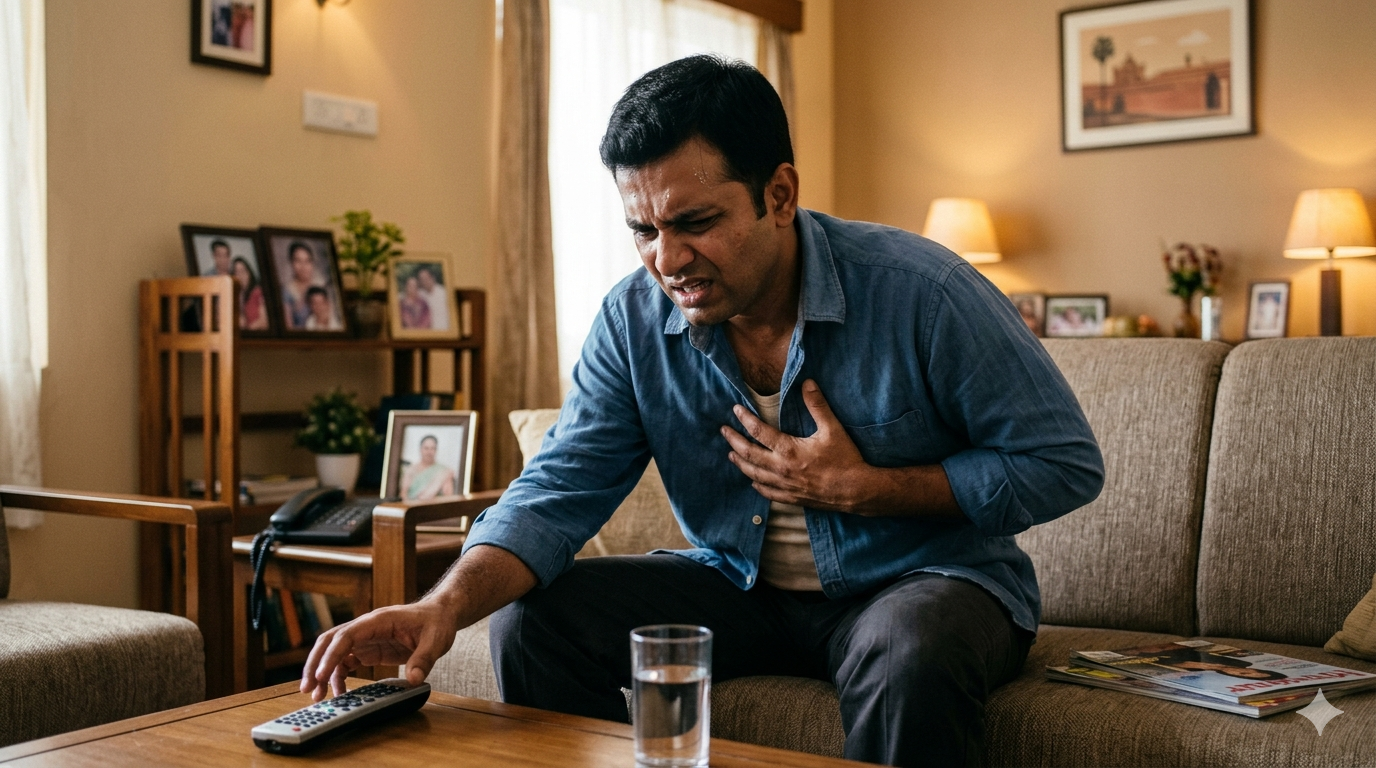
The image that comes to mind when a person has a heart attack is that of a person who is either overweight, physically inactive, or a smoker. But things have changed rapidly in recent times. In India, cardiologists are treating more and more cases of heart attacks among people who are young and physically fit, and who are regular exercisers with a healthy diet.
Cardiovascular disease continues to be the leading cause of death in India, accounting for nearly 28% of all deaths. According to the Indian Heart Association, almost half of all heart attacks among Indian men occur before the age of 50. Alarmingly, one in five heart attack patients today is younger than 40, a significant increase from a decade ago. Indians are also known to develop coronary artery disease five to eight years earlier than many Western populations, often without the traditional risk factors commonly associated with heart disease.
When Fitness Masks the Risk
One case that continues to stand out in clinical practice involved a 44-year-old man who appeared to be the picture of good health. A regular half-marathon runner, he followed a disciplined diet, never smoked, and maintained an ideal body weight. He sought medical attention only because he had experienced mild chest tightness during his last two runs.
His physical checkup gave good results. His body mass index was normal, his resting pulse rate indicated excellent cardiovascular fitness, and no heart disease was noticed. However, his cholesterol level turned out to be very high, that is, the level of LDL ("bad") cholesterol reached 190 mg/dL. Further investigation detected a 90% blockage of his coronary artery, and three weeks later he had angioplasty done. Cases like these are becoming increasingly common, highlighting that outward appearance alone cannot determine the health of a person's heart.
Cholesterol Is Not Just About Weight
The greatest myth regarding cholesterol is that it is associated with the body's fats. The physical fitness of an individual may not be associated with the levels of cholesterol in his or her body. Cholesterol is mostly produced in the liver and makes up to 70-80% of the total body cholesterol. Conditions such as familial hypercholesterolemia can cause dangerously high LDL levels even in people who eat well and exercise regularly. While fitness benefits heart health, it cannot always prevent cholesterol-driven plaque buildup in the arteries.
Why High Cholesterol Is Called the Silent Killer
Perhaps the most dangerous feature of high cholesterol is that it causes virtually no symptoms. Unlike many illnesses, there is no pain, fatigue, or warning signal while cholesterol gradually accumulates inside the arteries.
Over the years, LDL cholesterol deposits within the blood vessel walls, forming plaques that progressively narrow the arteries supplying blood to the heart. The process may go undetected for years or even decades. It will be only after the development of symptoms like chest pain, breathing difficulties or fatigue that the disease has progressed enough to cause problems. Often, a heart attack is the first sign of a problem.
This silent progression is what makes high cholesterol so dangerous. Significant damage may already have occurred before the individual becomes aware that anything is wrong.
Early Screening Can Save Lives
On a positive note, heart disease caused by high cholesterol can be avoided to a great extent when diagnosed early on. This is because a lipid profile test will reveal elevated cholesterol levels way before any irreparable harm can occur.
According to health professionals, every adult should get his/her cholesterol checked by the age of thirty years regardless of their weight and fitness status. Those who have a history of early-onset heart disease in the family need to be particularly careful and consult their doctor for further investigations. These include Lipoprotein(a) [Lp(a)], apolipoprotein B, LDL particle testing and CAC scoring in certain people.
However, when raised cholesterol levels are detected early on, appropriate action that includes adopting changes to lifestyle and if needed cholesterol lowering medication can minimize the chances of heart attacks and strokes.
Fitness Is Protection, Not Immunity
Fitness is one of the top methods of maintaining heart health, but it should not give you an illusion of being immune to heart diseases. While physical exercise, proper nutrition, and a healthy way of life are all necessary, these factors need to be combined with regular monitoring of your cholesterol levels, particularly if you have heart disease in your family. Your lipid profile may reveal some problems that are simply not visible to the naked eye. Cholesterol testing is equally important when talking about prevention of heart attacks.
(By Dr Kumar Kenchappa, Consultant - Interventional Cardiology, Manipal Hospital Yelahanka and Hebbal)
Disclaimer: The opinions expressed within this article are the personal opinions of the author. NDTV is not responsible for the accuracy, completeness, suitability, or validity of any information on this article. All information is provided on an as-is basis. The information, facts or opinions appearing in the article do not reflect the views of NDTV and NDTV does not assume any responsibility or liability for the same.