

If you know about the functioning of the human body, you would be aware of the thyroid gland. It plays an imperative role in the growth and development of the body. However, some people suffer from hypothyroidism. It's a health condition in which your thyroid gland doesn't produce sufficient levels of the crucial hormones. Hypothyroidism can create many problems in the human body including high cholesterol, premature birth, and high blood pressure in pregnancy among others. Besides this, your body is in need of iodine to produce thyroid hormones in hypothyroidism. Since the body doesn't make this nutrient, you need to get it from your diet. Nutritionist Pooja Malhotra shares a video on Instagram stating the way you may be (unknowingly) worsening your hypothyroidism.
Pooja explains, “Our thyroid gland needs a host of nutrients like Tyrosine, Iodine, Selenium, Vit D, iron, zinc, B-complex,” for optimal functioning. If your body doesn't get iodine through different food items including salt, it may worsen your hypothyroidism.
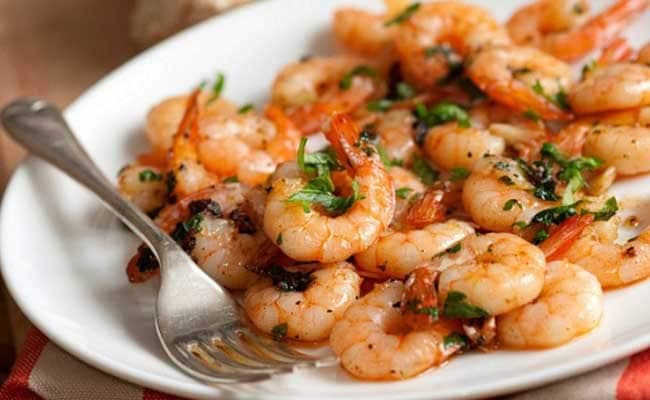
According to the nutritionist, foods rich in iodine mostly include seafood and iodised salt. They are the easiest way to meet your daily iodine requirements. But the problem arises when you only consume non-iodine doses salt like sendha namak, rock salt, and pink salt among others. This doesn't fulfill your iodine requirement and worsens your hypothyroid.
Therefore, it's highly advisable to switch to iodised salt; you would have one less nutrient to worry about, Pooja adds.
Take a look:
Pooja Malhotra also speaks about glucose spikes and shares how it can lead to belly fat. So, how can you refrain from this? She says that some changes in your diet will help you in avoiding glucose spikes. Pooja suggests starting your day with healthy fats like nuts and seeds including almonds, walnuts, flax seeds, pumpkin seeds and chia seeds among others. You must have a high protein, savoury breakfast like egg, sprouts, dal chila instead of sweet options. If you end up consuming poha, upma or any related kind of breakfast, she says that you need to balance it out with carbs. Include at least one cup of fibre-rich veggies (raw or cooked) and a cup of lean protein with your meals regularly.
Therefore, it's important to make wise food choices.
Disclaimer: This content including advice provides generic information only. It is in no way a substitute for a qualified medical opinion. Always consult a specialist or your own doctor for more information. NDTV does not claim responsibility for this information.