

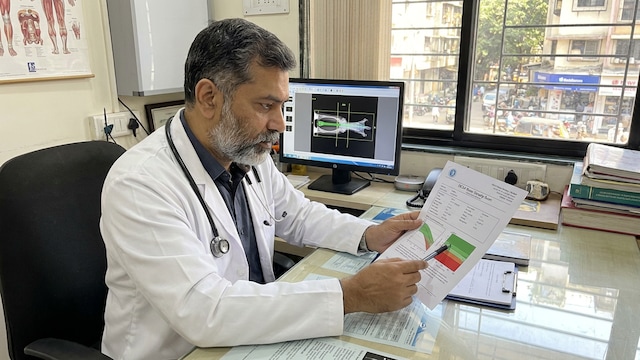
Most people do not think about their bone health until they suffer a fracture. But, it is important to remember that bones are living tissues that are constantly being broken down and rebuilt. As we age, this process can gradually change, leading to fall in bone mineral density. When bone density becomes lower than normal but is not yet low enough to be classified as osteoporosis, it is called osteopenia. It is often a silent condition, with no obvious symptoms.
This is why a DEXA scan can be important, especially for people at higher risk of bone loss. A DEXA, or dual-energy X-ray absorptiometry scan, measures bone mineral density and can help identify osteopenia before there's a serious fracture. Vitamin D deficiency is another important factor because vitamin D helps the body absorb calcium, which is essential for maintaining strong bones. In India, vitamin D deficiency is also common despite the country's abundant sunshine.
What Is Osteopenia?
Osteopenia means that your bone density is lower than normal. It is not the same as osteoporosis, but it can be an early warning sign that your bones are becoming weaker. Speaking to NDTV, Dr Sai Krishna B Naidu, Lead Consultant - Joint Replacement & Sports Injuries, Manipal Hospital Hebbal and Yelahanka, said, "Most of us don't think much about our bones until we break one. In fact, they are a dynamic tissue, constantly renewing themselves and, like all living matter, they tend to lose density with age. This slow decline in bone mass density is termed osteopenia."
Osteopenia can be thought of as a warning signal. It means that you can take action to protect your bones before the condition progresses to osteoporosis which increases the risk of fractures.
Why Is Osteopenia Difficult To Detect?
One of the biggest problems with osteopenia is that it usually does not cause any specific symptoms. A person may feel completely healthy while their bone density is gradually declining. A fracture may sometimes be the first indication that bone strength is now a concern. This is why testing becomes important for people who have several risk factors for bone loss.
Why Do You Need A DEXA Scan?
A DEXA scan is one of the main tests used to measure bone mineral density. It is a quick, non-invasive test that uses low-dose X-rays to assess bone density, usually at the hip and spine.
The results can help doctors determine whether a person has normal bone density, osteopenia or osteoporosis. Dr Naidu said, "If you're over 50 or have other risk factors, get your BMD tested. A simple DEXA along with bone markers can tell you if you have low bone density."
A DEXA scan does not mean that everyone needs to be tested at the same age. Doctors consider factors such as age, sex, menopause status, medical history, medications and fracture risk when deciding whether testing is appropriate.
Who Is At Risk Of Osteopenia?
Some people have a higher risk of developing low bone density. These include:
- Post-menopausal women: Bone loss can increase after menopause as oestrogen levels fall.
- Older adults: The risk increases with age, particularly after 50.
- People with low calcium or vitamin D intake: Both nutrients are important for maintaining bone health.
- People who are physically inactive: Too much sitting and too little weight-bearing activity can lead to weaker bones.
- People who smoke or drink heavily: These habits can negatively affect bone health.
- People with a family history of osteoporosis: Genetics can influence bone density and fracture risk.
- People taking steroids for a long time: Long-term use of certain steroid medicines can increase bone loss.
What Is The Link Between Vitamin D And Bone Health?
Vitamin D helps the body absorb calcium from food. Without adequate vitamin D, the body may not be able to use calcium effectively to maintain healthy bones.
Vitamin D deficiency is common in India despite the availability of sunlight. "Indians are very common to have Vitamin D deficiency despite abundant sunshine. We spend a lot of time indoors and this limits our exposure to sunlight, which is necessary for our bodies to produce the vitamin," said Dr Naidu.
He also pointed out that many foods in developed countries are fortified with vitamin D, while there is a need for greater fortification of commonly consumed foods in India. "There is constant persuasion from the doctors and myself to fortify milk and atta with vitamin D in India," he said.
How Can You Prevent Or Slow Bone Loss?
- Eat calcium- and vitamin D-rich foods: Include milk and dairy products such as curd and paneer, along with ragi, leafy vegetables, almonds, sesame seeds and eggs. Fish can also give you vitamin D.
- Get adequate sunlight: Around 15-20 minutes of sunlight exposure, particularly in the morning, can help the body produce vitamin D. However, the amount needed can vary depending on skin type, season, location and other factors.
- Exercise regularly: Weight-bearing activities such as walking and climbing stairs, along with resistance training and suitable yoga exercises, can help maintain bone strength.
- Avoid smoking and limit alcohol: Giving up smoking and reducing heavy alcohol consumption can help protect bone health.
- Get tested if you are at risk: If you are over 50 or have other risk factors, speak to a doctor about whether a DEXA scan and vitamin D testing are appropriate for you.
"Osteopenia should not be considered a death sentence, but rather a clarion call to improve our health before it is too late. In the elderly, hip fractures are devastating and greatly compromise the quality of life. Preventative action taken today can avert such a needless tragedy," said Dr Naidu.
Disclaimer: This content including advice provides generic information only. It is in no way a substitute for a qualified medical opinion. Always consult a specialist or your own doctor for more information. NDTV does not claim responsibility for this information.