

)
National Dengue Day is observed on May 16 to raise awareness about seasonal disease. Dengue is a vector-borne disease that causes a high fever. Its cases usually surge during and after the monsoon season in India. It so happens that the rainwater, accumulated in open areas, offers a natural breeding ground for the mosquitoes that carry the virus. Also, people use electronic appliances like air coolers, which again have stagnant water, in this season. Government agencies regularly inform people to replace the water in coolers, so that mosquitoes don't breed.
Here are some facts about dengue:
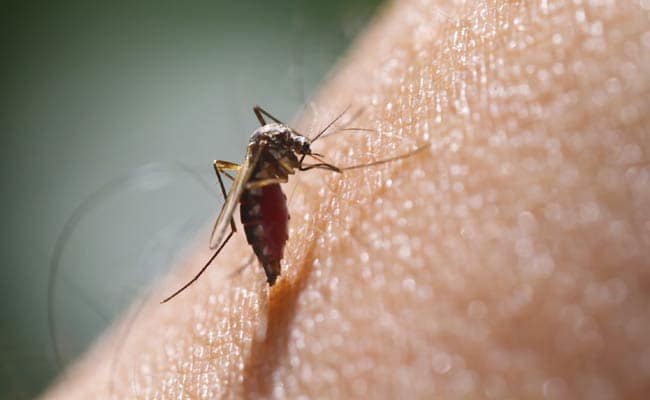
– It is a viral disease caused by the dengue virus, transmitted by the bite of the Aedes aegypti mosquito infected with dengue viruses. This mosquito gets infected after biting a person already infected by the dengue virus. Mostly this happens during 4-5 days of onset of the virus.
– This mosquito bites during daylight hours. So people should wear full sleeve clothes and take other precautions like using mosquito repellents during the daytime. Cover water containers with a lid at all times.
– A person infected with this virus usually develops symptoms 3-14 days after the mosquito bite.
Symptoms
A sudden onset of fever, followed by severe headache, pain behind the eyes, muscle and joint pain, and rash. Sometimes these symptoms can be accompanied by abdominal pain, vomiting, and even bleeding.
Treatment
There are no specific antiviral medicines for dengue. Timely medical intervention has lowered the fatality rate below one percent. According to government health agencies, a person with dengue can use analgesics for relieving pain and take paracetamol. It is important to drink plenty of fluids.
Disclaimer: This content including advice provides generic information only. It is in no way a substitute for qualified medical opinion. Always consult a specialist or your own doctor for more information. NDTV does not claim responsibility for this information.