

)
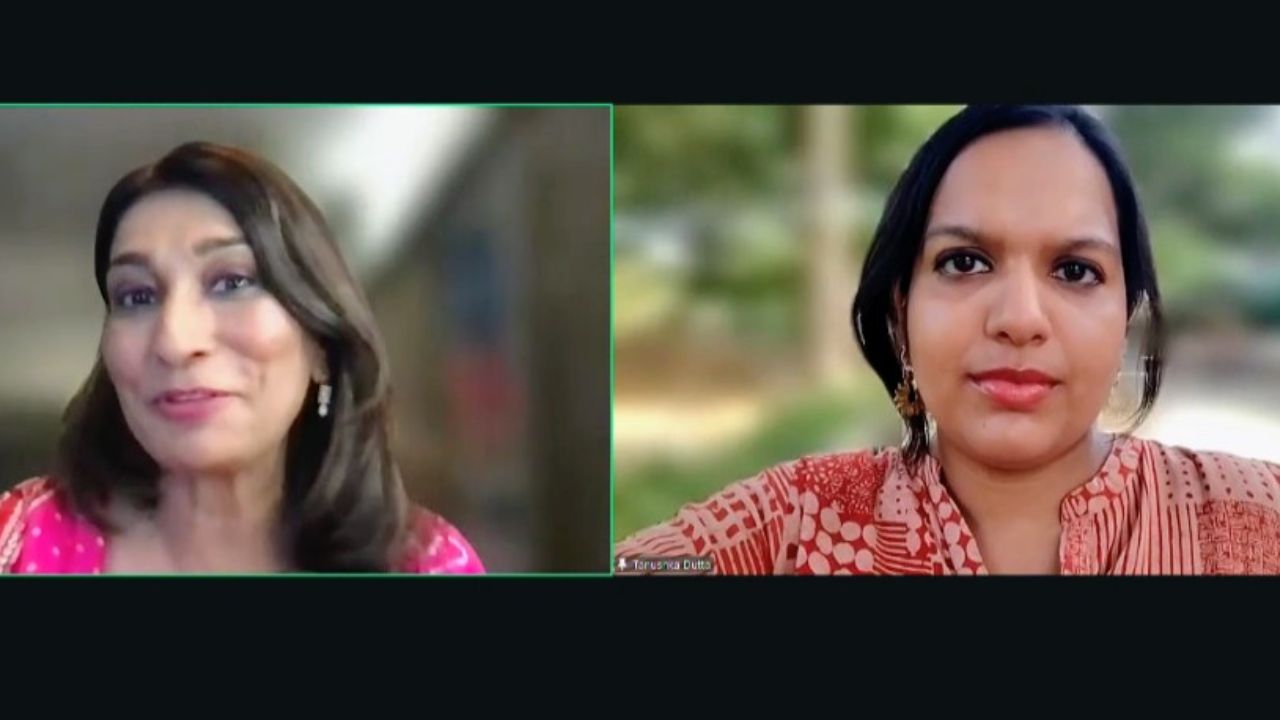
India is facing a twin challenge of falling fertility rates and rising infertility, while millions of women continue to battle a hormonal condition that experts say is often misunderstood as merely a reproductive disorder. The recent renaming of PCOS to Polyendocrine Metabolic Ovarian Syndrome (PMOS) is an attempt to change that narrative, says India's leading gynaecologist Dr Rishma Pai, in an exclusive conversation with NDTV.
"PMOS causes prediabetes, diabetes, high blood pressure, metabolic problems and even heart disease. It affects the entire body and the way its metabolism behaves," said Dr Pai, gynaecologist & infertility specialist consultant at Lilavati & Reliance Hospitals.
Why Experts No Longer Want To Call It PCOS
The change from Polycystic Ovary Syndrome (PCOS) to Polyendocrine Metabolic Ovarian Syndrome (PMOS) followed a global consensus involving dozens of medical organisations and patient groups.
"It's not just a name change, it's a complete approach and attitude change," Dr Pai said.
"For more than 35 years, the focus was on cysts in the ovary. But a large number of women don't have cysts at all. Patients would tell us, 'I don't have PCOS because there are no cysts in my ovary.'"
The new terminology shifts attention to the hormonal and metabolic abnormalities underlying the condition, which affects an estimated one in eight women worldwide.
Is PMOS The 'Diabetes Of The Ovaries'?
Dr Pai believes the metabolic impact of PMOS remains poorly understood despite affecting millions of women.
"Women with PMOS are highly predisposed to prediabetes, diabetes and the entire metabolic syndrome. They are also at higher risk of obesity, insulin resistance, high blood pressure, abnormal cholesterol levels and heart disease", the obstetrician told NDTV.
'It's A Lifelong Condition, Not A One-Time Disease'
In many ways, Dr Pai argued, PMOS should be viewed through the same lens as chronic metabolic disorders. "We focus on irregular periods, acne and fertility problems. But the metabolic consequences are lifelong, right from adolescence up until old age, we need to look after this lady holistically."
She said treatment often requires support from multiple specialists, including endocrinologists, dermatologists, cardiologists, and mental health professionals. "Many of these girls have depression and anxiety. So many specialties need to be involved in their care."
The condition should be viewed as a multisystem metabolic and endocrine disorder rather than solely a gynaecological problem.
Another issue that nobody talks about according to Dr Pai is "cancer of the uterus because of irregular periods for years."
India's Fertility Rate Is Falling - And Doctors Are Worried
The PMOS discussion, Dr Pai said, cannot be separated from a larger demographic trend unfolding across India. Asked about India's Total Fertility Rate falling below replacement level, she called it "a huge issue" adding that "we are already in declining fertility."
The infertility specialist pointed to delayed marriages, delayed parenthood, rising living costs and changing social priorities as key reasons behind the trend. "Women are marrying later today. They're having children later. Even couples who can afford more children are having one child", she said.
Social attitudes around parenthood are also evolving. "I have patients coming and telling me, 'We are dog parents. We don't want to have children.' I had never heard that 10 years ago," noted Dr Pai.
She also cited the lack of workplace childcare facilities, rising cost of education and shrinking family support systems as factors discouraging parenthood.
"India has to look strongly at this issue before we go the China way", Dr Pai told NDTV.
Fertility Crisis Or Infertility Crisis? 'Both'
When asked whether India is facing a fertility crisis or an infertility crisis, Dr Pai said it is both.
She noted that India's fertility rate has dropped below replacement levels even as infertility continues to rise due to obesity, PMOS, infections, tuberculosis, and increasing male-factor infertility.
"WHO has said 17 per cent of couples are not able to conceive. In India, it is probably even more than that."
While fertility treatments have advanced significantly, she said affordability and access remain major barriers. "We have technology. We have treatments. But how many people can access those treatments?"
The Debate Over GLP-1 Drugs
Dr Pai also backed the use of GLP-1 drugs such as semaglutide for eligible women with obesity and metabolic complications linked to PMOS, though she stressed these medicines are not a cure.
"There is no treatment as such for PMOS. It requires lifelong care and management." However, she described GLP-1 drugs as "a very good tool" for women who meet the clinical criteria.
She also questioned why gynaecologists are often unable to prescribe the drugs directly despite being the first doctors many women consult for weight gain, irregular periods and hormonal problems.
"The first person a woman visits is a gynaecologist. How many people visit a Cardiologist? Or how many people even know who an endocrinologist is? Gynaecologists are perfectly capable of looking after a woman's metabolic and hormonal issues", said Dr Pai.
Why Preventive Women's Healthcare Matters
A recurring theme during the conversation with Dr Pai was the need for preventive healthcare. She said many women first visit a doctor only after becoming pregnant or developing serious health complications.
Pregnancy-related complications such as obesity, diabetes and PMOS should ideally be managed before conception. "If a woman comes to me when she is planning to get conceive, I work on optimizing her weight, her hormones and bring her to perfect health before conception."
Looking Beyond Fertility
For Dr Pai, the renaming of PCOS to PMOS matters because it could finally push doctors and patients to see the condition for what it truly is-not simply a fertility disorder, but a chronic metabolic disease affecting nearly every stage of a woman's life.
"It's not a one-time disease. We need to look after women holistically, from adolescence right up to old age."
Disclaimer: This content including advice provides generic information only. It is in no way a substitute for a qualified medical opinion. Always consult a specialist or your own doctor for more information. NDTV does not claim responsibility for this information.