

)
World Heart Day is observed on September 29 globally each year. This day aims to raise awareness about heart health and promote preventive measures against heart disease and stroke. The theme for World Heart Day 2026 is "Don't Miss a Beat", which continues under the broader multi-year overarching campaign theme "Use Heart for Action," running from 2024 to 2026. The "Don't Miss a Beat" initiative highlights hidden symptoms, early warning signs, and proactive prevention of cardiovascular disease.
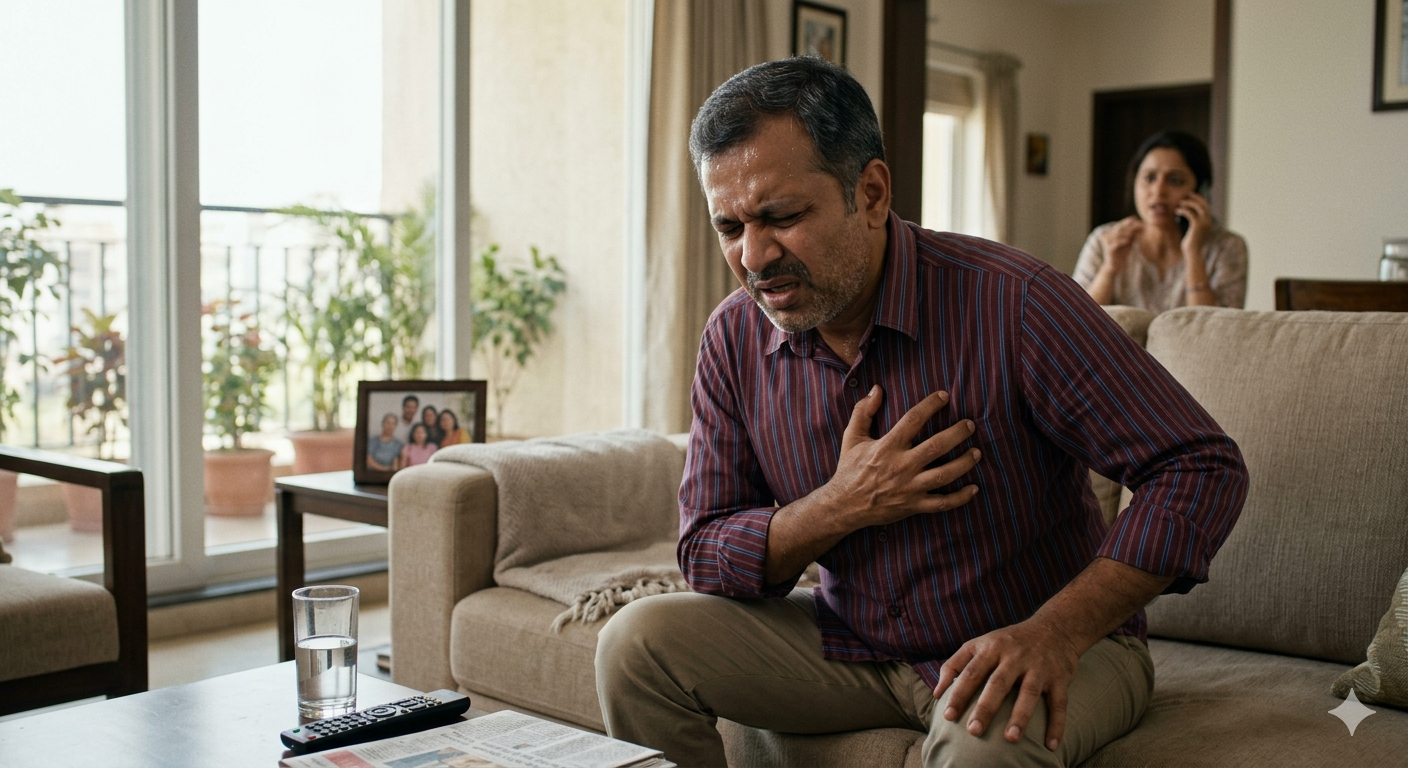
When people think about heart disease, chest pain is often the first warning sign they expect. But heart problems do not always announce themselves with dramatic discomfort. In some people, the earliest clues may appear as unexplained breathlessness, unusual fatigue, sweating or a decline in exercise tolerance.
Chest pain is an important warning symptom, but it is not the only one. The symptoms of heart disease depend on the disease itself, the person and the heart or blood vessels that are affected.
Silent symptoms of heart disease
One of the most commonly ignored symptoms is shortness of breath, especially if it is new or occurs when doing things that were previously easy. When the heart cannot effectively pump, pressure can build up in the lungs, making a person feel short of breath.
Another subtle change is unusual tiredness. Someone may notice that climbing stairs, walking a familiar distance or completing routine activities suddenly feels more exhausting. This should not automatically be attributed to ageing, stress or being "out of shape", particularly when the change is new and persistent.
Heart-related problems can also cause discomfort outside the centre of the chest. Some people may experience pressure or discomfort in the arm, shoulder, back, neck or jaw. Others may experience nausea, light-headedness or cold sweating. These symptoms can sometimes be mistaken for indigestion, acidity or general weakness.
The pattern matters too. Symptoms that appear with physical exertion and improve with rest deserve medical attention, even if there is no obvious chest pain. Similarly, unexplained symptoms in people with diabetes, high blood pressure, high cholesterol, obesity or a strong family history of heart disease should not be dismissed.
Do not ignore these subtle changes
Patients sometimes wait for severe chest pain before seeking help. That can be a mistake. A new or unexplained change in exercise capacity or recurring symptoms should be assessed, especially when cardiovascular risk factors are present.
Importantly, these symptoms do not necessarily mean a person has heart disease. Many can occur with respiratory, gastrointestinal, muscular or other conditions. The purpose of recognising them is not to create anxiety, but to avoid overlooking a potentially important problem. It is also found that diabetic and elderly people can have such symptoms more often than non-diabetic people.
So heart health is more than simply recognising pain. Knowing what is normal for your body and when that baseline shifts can be just as important. Timely medical assessment can identify cardiovascular risk and start treatment, if needed, before a serious incident occurs.
(Dr Anand Kumar Pandey, Principal Director - Interventional Cardiology and Head of Heart Failure Program at Max Super Speciality Hospital, Vaishali (Ghaziabad)
Disclaimer: The opinions expressed within this article are the personal opinions of the author. NDTV is not responsible for the accuracy, completeness, suitability, or validity of any information on this article. All information is provided on an as-is basis. The information, facts or opinions appearing in the article do not reflect the views of NDTV and NDTV does not assume any responsibility or liability for the same.