

)
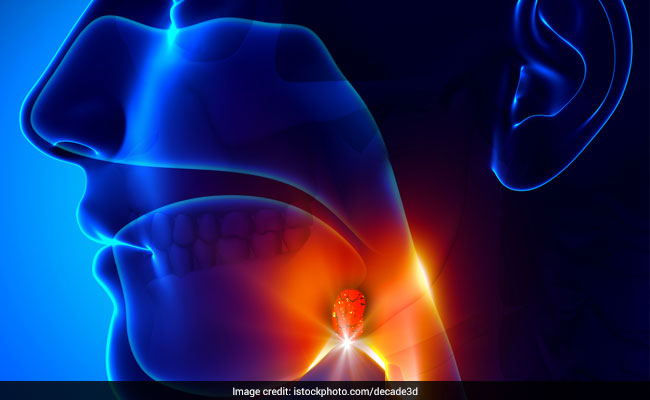
Tonsillitis can also make a person experience trouble swallowing, catch fever and even get swollen glands around the neck. The throat turns red and the tonsils get covered in a whitish or yellow coating. Sometimes, the swelling goes on its own. In other cases, tonsillitis is treated with the help of antibiotics or tonsillectomy.
Tonsillectomy may help in treating breathing problems like sleep apnea and heavy snoring.

Tonsillitis is treated with the help of antibiotics or tonsillectomy
Photo Credit: iStock
Also read: What is Tonsillitis?
Who needs tonsillectomy?
The need for tonsillectomy is more common in children as compared to adults. Nonetheless, people of any age can experience trouble with their tonsils and may require surgery. However, just one case of tonsillitis is not enough to warrant a tonsillectomy. Surgery is recommended for those who get sick with tonsillitis too often or have a strep throat. People who have had tonsillitis at least 7 times should probably talk to their doctor about getting a tonsillectomy.
Also, people who experience breathing problems because of swollen tonsils; those suffering from sleep apnea; the ones whose tonsils bleed or experience frequent and loud snoring should consider a tonsillectomy.

Tonsillectomy can cure the problem of snoring
Also read: 8 Important Things To Know About Sleep Apnea
Risk factors of tonsillectomy
Common risk factors of tonsillectomy include bleeding, infection, swelling and reaction to anesthetics.
Things to do before a tonsillectomy
It is suggested to stop taking anti-inflammatory medicines at least 2 weeks before tonsillectomy. These medicines include aspirins, naproxen and ibuprofen. These drugs can increase chances of bleeding during or after the surgery.
A person needs to fast before midnight before a tonsillectomy. Avoid drinking or eating after midnight, it will help in reducing risk of feeling nauseous from the aesthetic.
Also read:

Anti-inflammatory medicines should be avoided 2 weeks before tonsillectomy
Photo Credit: iStock
Recovery from tonsillectomy
As part of recovery from tonsillectomy, patients experience some pain or sore throat. There is also some pain in the jaw, ears or neck. It is important to get lots of rest during the first 2 or 3 days after surgery.
Sip water or eat ice pops. You need to stay hydrated without hurting your throat. Eat only soft foods for a couple of days after the surgery. Avoid eating anything crunchy or spicy after the surgery.
Also read: Sore Throat? Follow These Natural Remedies
Disclaimer: This content including advice provides generic information only. It is in no way a substitute for qualified medical opinion. Always consult a specialist or your own doctor for more information. NDTV does not claim responsibility for this information.