

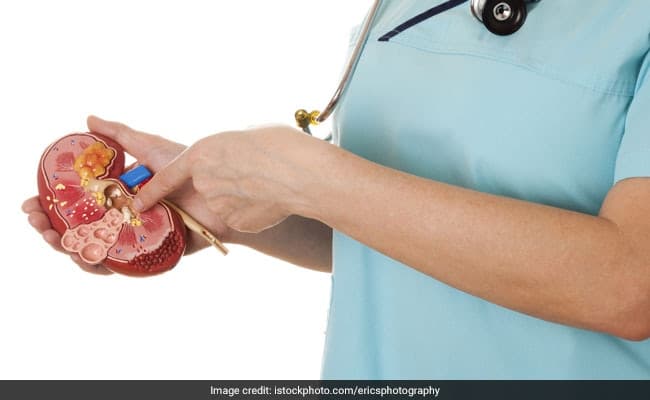
Kidney stones are hard deposits that can cause severe pain. These stones originate in the kidneys or urinary tract. This condition causes severe pain at one side of the lower back. There are several causes behind the deposition of kidney stones. Not drinking enough water, consuming too much salt and sem health conditions may lead to kidney stones. Diet plays an important role in controlling and preventing kidney stones. Several foods can help in preventing the condition while others can increase the risk. You need to follow all necessary precautions that can help you control your risk. Here are some foods you need to avoid.
Avoid these foods to prevent kidney stones
1. Limit salt
Too much salt intake is linked with a higher risk of kidney stone formation. It is also one of the risk factors for this condition. Salt promotes calcium build up in urine. You should avoid foods loaded with salt. Also, skip adding extra salt to foods. Limiting processed foods is also beneficial as these are loaded with salt and sugar.

High sodium intake can increase the risk of kidney stones
Photo Credit: iStock
2. Animal protein
Some sources of protein especially animal protein increase the amount of uric acid you produce. Someone at a higher risk of kidney stones can choose alternates from plant-based sources like chia seeds, quinoa, tofu, cottage cheese and nuts.
Also read: 6 Home Remedies That Work Like Magic To Get Rid Of Kidney Stones
3. Foods with oxalate
Consume oxalate in moderation. Foods high in oxalate trigger the formation of kidney stones. But before eliminating oxalate completely from your diet, you must consult an expert.
Also read: All you need to know about kidney stones
4. Soft drinks
Carbonated drinks are linked to several health issues. These are loaded with sugar with low or no nutrients. These are also harmful to your kidneys.
Drinking enough water is the ultimate tip to keep your kidneys healthy. Enough water intake helps you flush out toxins and reduce the risks of kidney stones significantly.
Disclaimer: This content including advice provides generic information only. It is in no way a substitute for qualified medical opinion. Always consult a specialist or your own doctor for more information. NDTV does not claim responsibility for this information.