

)
Fever, cold, cough and extreme fatigue are common issues during the monsoon season. The increase in flu and seasonal illnesses during this time is caused by a combination of environmental changes, pathogen survival, and human behaviour. The rainy season alters conditions in ways that promote the spread of viruses, bacteria, and vectors. For example, waterlogging creates a breeding ground for mosquitoes, which transmit diseases like dengue and chikungunya. Additionally, damp conditions can be ideal for the transmission of respiratory viruses, leading to flu-like symptoms and other viral illnesses. Fortunately, most of these illnesses are self-limiting and typically resolve within a week or two without severe complications. Symptoms usually improve with adequate rest, hydration, and medications for symptomatic relief.
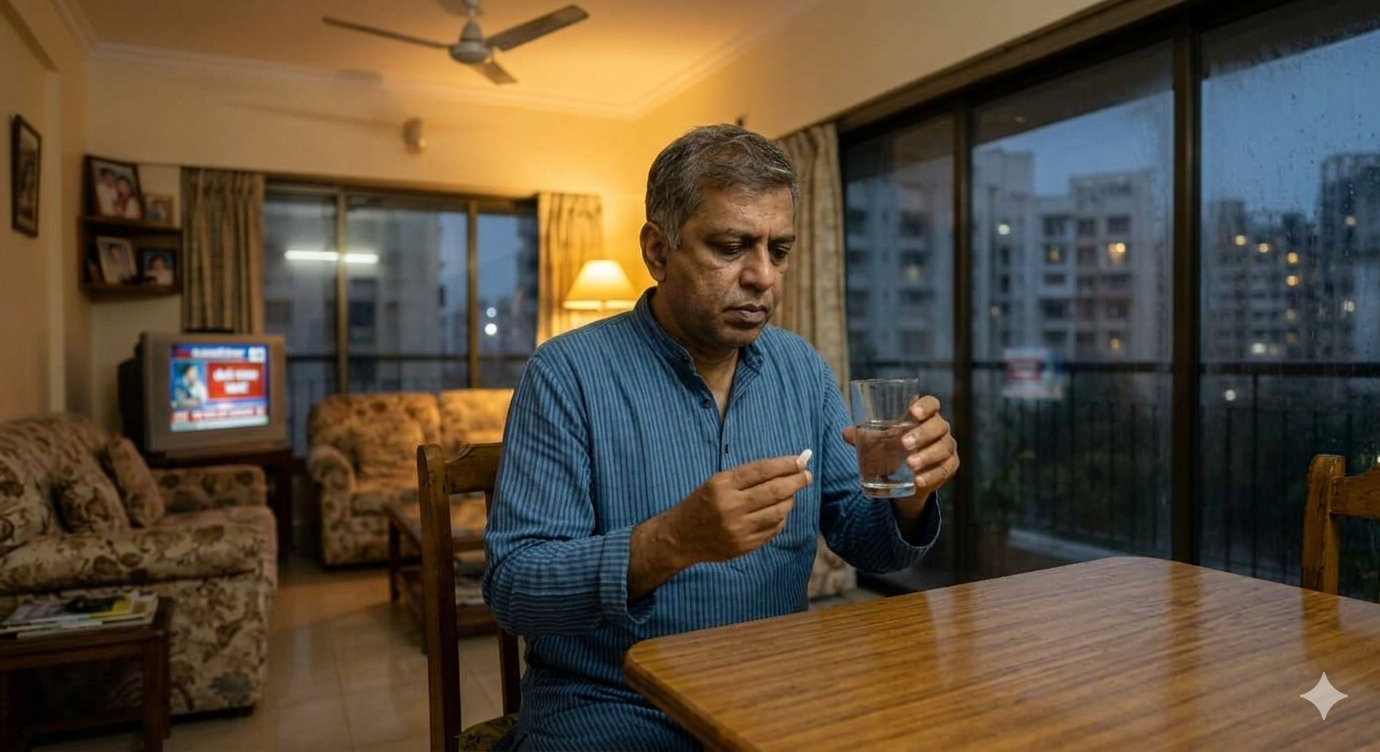
Despite this, it is common for people to take antibiotics when experiencing fever during monsoon season. However, this practice can do more harm than good.
Should you take antibiotics for monsoon fever?
"Monsoon fever should not automatically be treated with antibiotics. Fever is a symptom, not a diagnosis, and during the monsoon it can be caused by very different infections, including but not limited to influenza, dengue, malaria, typhoid, leptospirosis and scrub typhus. These illnesses can initially look remarkably similar, but their management differs. This overlap is exactly why antibiotics shouldn't be a knee-jerk response to fever," says Dr. J. Kirtana, Associate Consultant Infectious Diseases at Fortis Hospital, Shalimar Bagh.
Why is antibiotic misuse common during monsoons?
- Anxiety for a quick fix: Patients frequently assume that strong medications will accelerate recovery or break a high fever instantly.
- Ease of access: In many regions, antibiotics are easily obtained without rigorous prescription checks or are left over from previous illnesses.
- Misunderstanding fever: Fever is often treated as the disease itself rather than a symptom, leading to the assumption that all fevers require the same aggressive treatment.
Why are antibiotics not safe for monsoon fever?
Antibiotic use is not appropriate unless a bacterial infection has been diagnosed. Antibiotics are designed to target bacterial infections and have no effect on viral illnesses like the flu or other viral fevers. Inappropriate use of antibiotics can lead to antibiotic resistance, making it harder to treat bacterial infections in the future.
"Antibiotics have no role in viral infections such as influenza and dengue unless there is a separate or secondary bacterial infection. Malaria requires specific antimalarial treatment, while bacterial and other infections require treatment directed against the particular organism involved. Even among bacterial infections, there is no 'one antibiotic fits all' approach. The choice depends on the suspected infection, severity, patient factors and, where appropriate, laboratory and antimicrobial-susceptibility results," explains Dr. J. Kirtana.
What are the side-effects?
"Self-medication with antibiotics can cause side effects including nausea, diarrhea, stomach ache, and allergic reactions and, in some cases, serious complications. The most important adverse effect of improper antibiotic use is that it leads to the emergence of antibiotic-resistant bacteria, which make treatment of infections more difficult. WHO has identified inappropriate and excessive use of antibiotics as one of the main causes of the development of antimicrobial resistance," explains Dr. Jayanta Thakuria, Senior Director - Internal Medicine at Yatharth Super Speciality Hospital Faridabad.
Always speak to a healthcare professional before starting any antibiotic. They can determine whether it's necessary based on your symptoms and health history.
"For someone with fever, the priority should be adequate fluids, rest, appropriate fever control and medical assessment when indicated. Testing should be guided by the duration of fever, symptoms, examination and local epidemiology."
"Red flags such as breathing difficulty, persistent vomiting or diarrhea, bleeding, severe abdominal pain, confusion, poor oral intake, reduced urine output or marked weakness or severe muscle pains warrant urgent medical attention. Antibiotics should be taken only when prescribed for a clear clinical indication. The right diagnosis, not empirical antibiotics, is what actually manages monsoon fever safely," Dr. J. Kirtana recommends.
Most viral fevers clear naturally within 3 to 5 days. If a high fever persists for 48-72 hours, schedule diagnostic blood tests like a CBC or Dengue NS1 antigen under your doctor's guidance.
Disclaimer: This content including advice provides generic information only. It is in no way a substitute for a qualified medical opinion. Always consult a specialist or your own doctor for more information. NDTV does not claim responsibility for this information.