

)
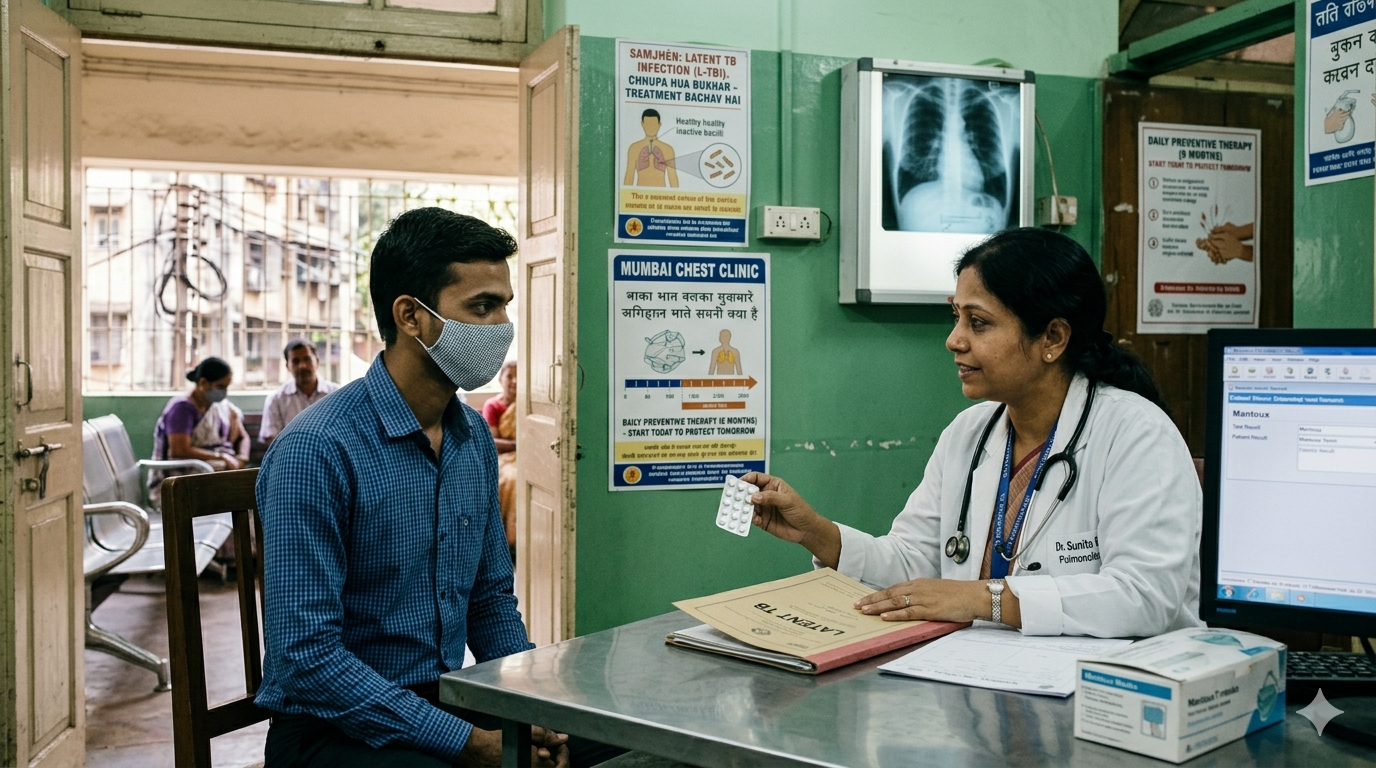
Tuberculosis typically manifests through three main symptoms which include persistent coughing and fever and weight loss. However, not all TB infections behave this way. The body holds latent tuberculosis infection (LTBI) which remains undetected because it shows no symptoms. A person develops latent TB when he or she contracts Mycobacterium tuberculosis, yet his or her immune system manages to control the infection. The infection remains inactive, meaning the person does not feel sick and cannot spread the disease to others. The bacteria continue to exist in their current state, which enables them to start active activities at any time.
Why Latent TB Matters
The public underestimates how frequently latent TB occurs. A significant portion of the global population carries this silent infection. While most individuals with latent TB never develop active disease, a small but important percentage will.
The concern lies in its potential to activate. The dormant bacteria will start multiplying when the immune system starts to deteriorate which results in active TB. At this stage, the disease becomes symptomatic and contagious.
This makes latent TB a critical area of focus, especially in countries where TB is widespread.
Who Is at Risk of Activation?
The activation of active disease from latent TB does not affect all people with this condition. People who have weak immune systems or existing medical conditions face higher risk.
The following groups of people face high risk:
- People with diabetes
- Individuals living with HIV
- Patients who receive steroid treatments or drugs that suppress their immune systems
- People who experience malnutrition
- People who have been in close contact with active TB patients
Many people in areas which have high TB exposure might have contracted TB when they were younger without realizing it.
Detection Without Symptoms
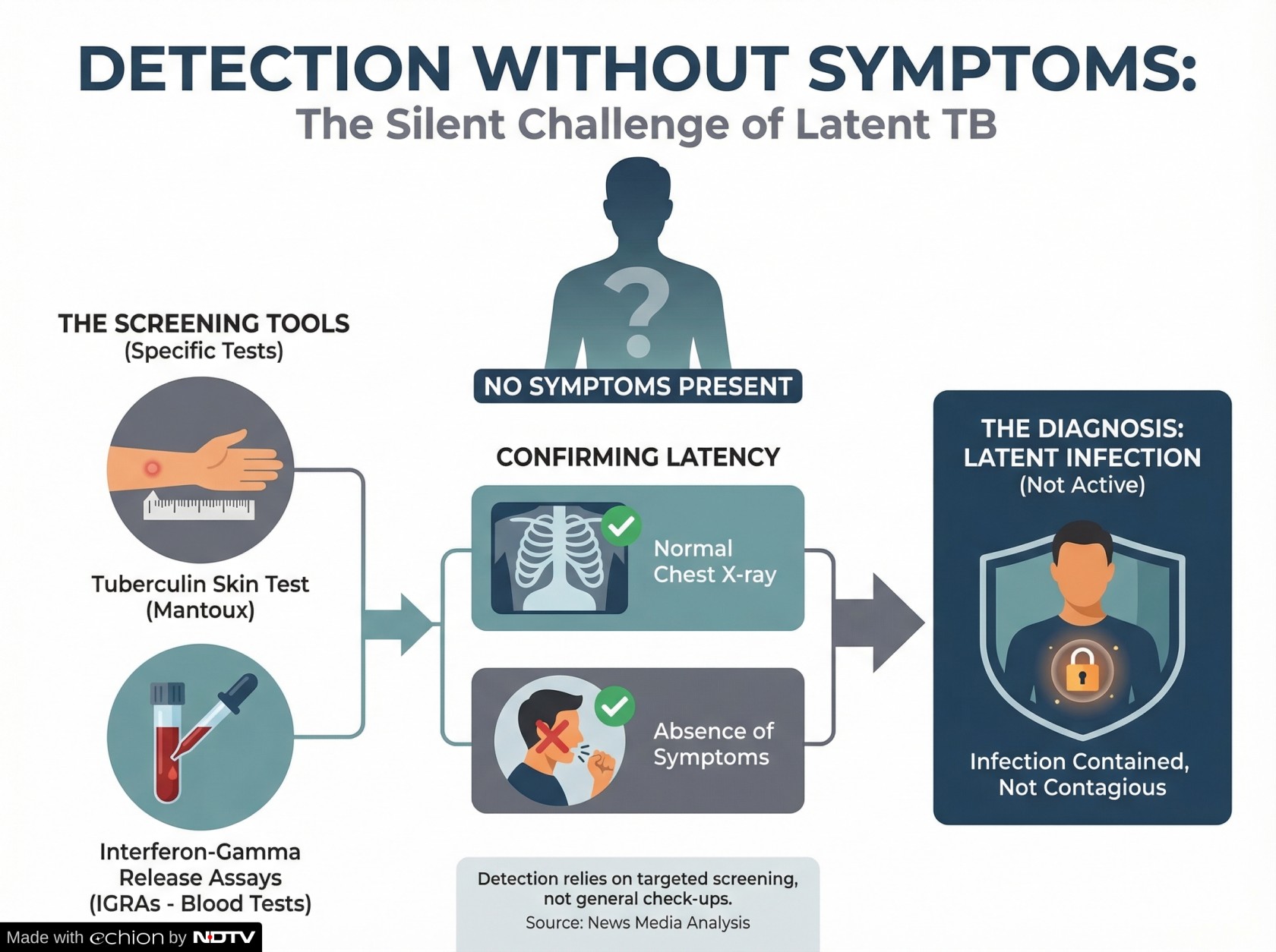
One of the biggest challenges with latent TB is that it does not present any symptoms. Healthcare providers usually diagnose the condition through specific screening methods instead of general medical assessments.
Two main tests are used:
- The Tuberculin Skin Test (Mantoux test)
- Interferon-Gamma Release Assays (IGRAs), which are blood tests
These tests indicate whether a person has been exposed to TB bacteria. To confirm that the infection is latent and not active, doctors rely on a normal chest X-ray and absence of symptoms.
Can Latent TB Be Treated?
The medical condition of latent tuberculosis can be successfully treated according to medical research. The first step in active tuberculosis prevention requires this particular step.
The treatment requires patients to take preventive antibiotics throughout multiple months. The new treatment protocols provide patients with shorter and simpler treatment plans that lead to better treatment adherence.
The medical method of latent tuberculosis treatment enables hospitals to achieve successful results because it decreases future tuberculosis cases while controlling disease spread.
When Should You Get Tested?
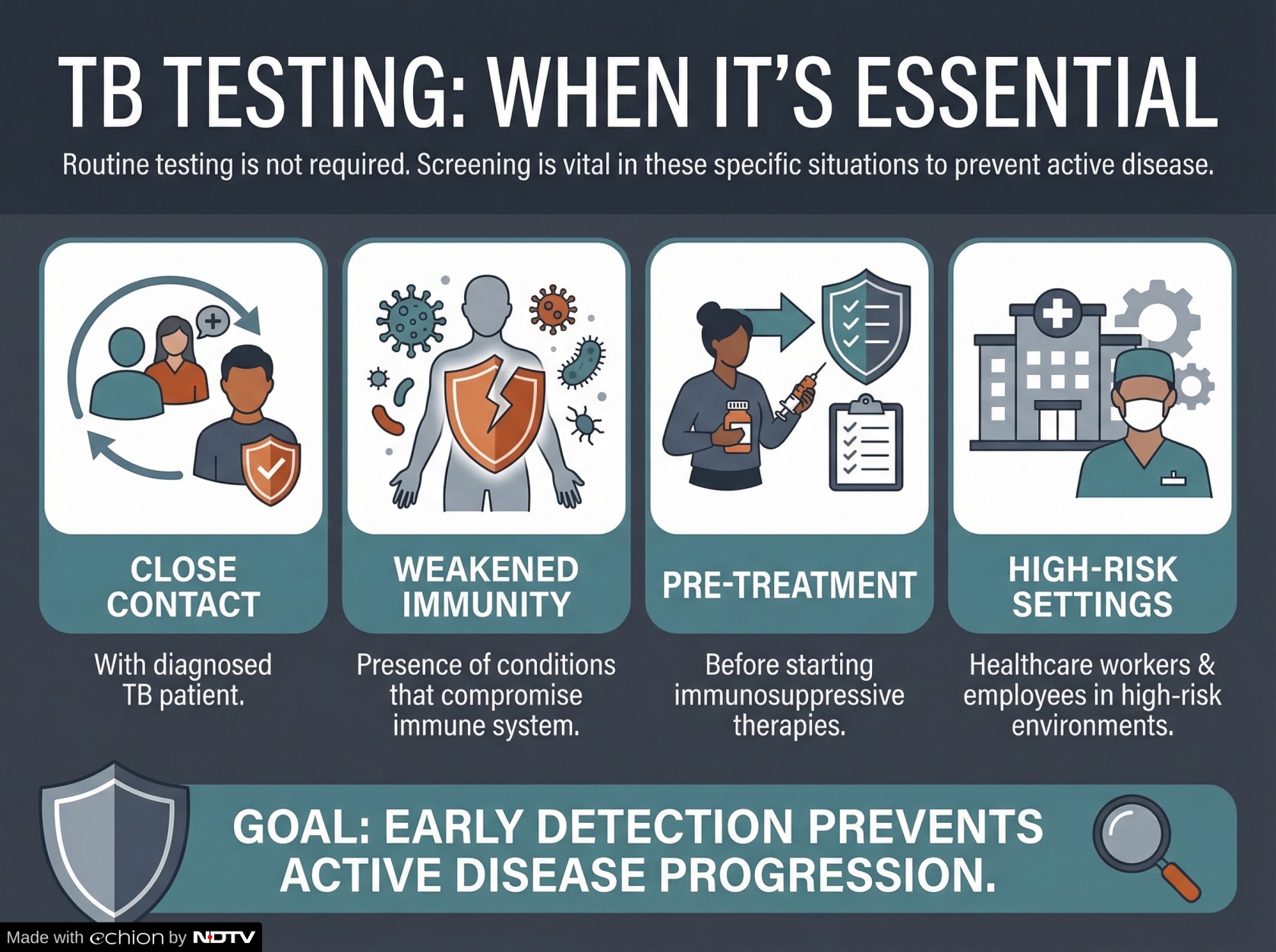
People do not require routine testing. Certain situations require screening because testing becomes essential. The following conditions need testing to help identify health issues:
- Close contact with a diagnosed TB patient
- Presence of conditions that weaken the immune system
- Before starting immunosuppressive treatments
- Healthcare workers and employees in high-risk settings
Active disease progression needs to be prevented through early detection in these groups.
The Importance of Awareness
People with latent tuberculosis remain undiagnosed because their symptoms do not impact their normal activities. The condition can develop into a disease after being overlooked.
Public health efforts focus on identifying and treating latent tuberculosis cases which serve as a foundation for long-term tuberculosis control programs. Tuberculosis control efforts require intervention because this hidden infection affects overall disease spread.
A Silent Condition Worth Addressing
Latent tuberculosis presents no immediate danger to health but it creates a risk for upcoming medical conditions. People should not become complacent because they currently experience no symptoms.
The medical process requires patients to undergo screening and receive prompt treatment because these actions will decrease disease progression risk. The process of identifying and treating latent TB is critical for achieving personal health improvements and effective management of infectious diseases.
(By Dr. Abhijeet Dash, Consultant - Critical Care Medicine, Manipal Hospital, Bhubaneshwar)
Disclaimer: The opinions expressed within this article are the personal opinions of the author. NDTV is not responsible for the accuracy, completeness, suitability, or validity of any information on this article. All information is provided on an as-is basis. The information, facts or opinions appearing in the article do not reflect the views of NDTV and NDTV does not assume any responsibility or liability for the same.