- Water-rich kheera and kakdi contain 95-96% water, aiding hydration in heat
- Both vegetables provide fiber, vitamins, potassium, and magnesium for health
- Kheera offers silica for skin and anti-inflammatory benefits, kakdi acts as a diuretic
As temperatures across India are set to reach the 40°C mark, the traditional advice to "drink eight glasses of water" often feels insufficient. In the sweltering humidity of the coastal belts or the bone-dry heat of the northern plains, the body loses more than just moisture; it loses vital electrolytes and minerals. This is where the wisdom of "eating" water comes into play. By consuming water-rich solids, the body absorbs hydration more slowly, allowing for better retention and sustained cooling.
In the bustling vegetable markets of India, two green contenders reign supreme during these months: the commonly known kheera (common cucumber) and the slender, ridged kakdi (long melon or Armenian cucumber). Both are cultural icons, sliced by street vendors, sprinkled with kala namak (black salt) and chilli, and served as the quintessential summer survival snack.
The Nutritional Breakdown: More Than Just a Crunch
While they may look like humble salad components, both kheera and kakdi are marvels of biological hydration.Water content is high for both fruits are roughly as they contain 95% to 96% water, respectively, which makes them hydrating. This high percentage means that consuming a large bowl of these greens is functionally similar to drinking a glass of structured, mineral-rich water. Here are the additional nutritional benefits:
- Fibre and digestion as the skins and seeds are rich in insoluble fibre. In the heat, digestion often slows down, leading to bloating. The fibre in these cucurbits acts as a natural broom for the digestive tract, preventing summer constipation.
- Vitamins and minerals dense as contain vitamin K, which is essential for bone health and blood clotting.
- Furthermore, the presence of magnesium and potassium acts as a natural electrolyte replenishment, helping the heart and muscles function under heat stress.
- For those focused on weight management, these are the ultimate volume foods. At roughly 15 calories per 100g, one can achieve satiety without the caloric heavy-lifting of grain-based snacks.
Also Read: Okra Water vs Lauki Juice: Which Is Better For Managing Cholesterol?
Hydration Face-Off: The Cooling Effect
While closely related, the experience of eating a kheera versus a kakdi is distinct.
In traditional wellness circles, kakdi is often perceived as having a slightly higher "cooling" potency compared to the standard kheera. This is likely due to its lighter, airier cellular structure, which allows it to be digested with minimal metabolic heat production. The common kheera has a denser, more uniform structure, making it the king of the "crunch". It holds its shape well in heavy raitas.
In contrast, the kakdi is thinner-skinned and more succulent. It possesses a delicate, slightly sweet profile that feels more refreshing when the appetite wanes in extreme heat.
Both are rich in potassium, a mineral that is frequently depleted through sweat. Potassium is critical for preventing heat-induced muscle cramps and stabilising blood pressure, making these fruits a natural defence against heat stroke.
Unique Health Benefits
Kheera is particularly noted for its silica content. Silica is a trace mineral that strengthens connective tissues and promotes skin elasticity, especially in summers when the sun is damaging the skin barrier. Its anti-inflammatory compounds, such as fisetin, have been studied for their potential role in brain health and reducing oxidative stress.
The Long melon is a natural diuretic as it encourages the kidneys to flush out excess uric acid and toxins, reducing the "puffiness" or oedema often associated with summer heat.
Furthermore, its alkaline nature helps neutralise the acidity that can result from spicy summer meals or dehydration.
Also Read: Should You Drink Lauki Juice On An Empty Stomach? Benefits, Timing And Dosage Explained
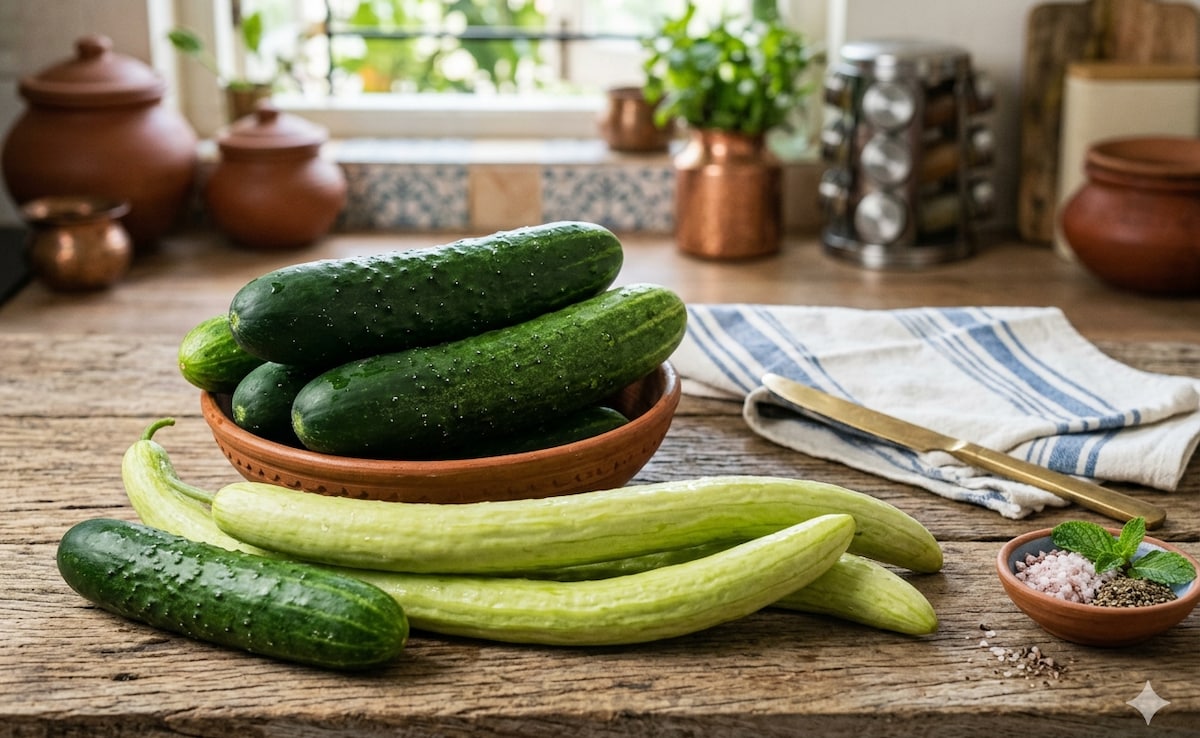
Kheera and kakdi ( image is for representation purposes only)
Photo Credit: A.I generated image
A Critical Note: Can One Be Allergic to Kakdi?
Despite their health benefits, these fruits are not universally tolerated.
Oral Allergy Syndrome (OAS) can occur in individuals with seasonal allergies, particularly to ragweed, may experience cross-reactivity when eating kakdi or kheera. This phenomenon, known as oral allergy syndrome, occurs because the proteins in the fruit are similar to those in the pollen. Symptoms usually include itching in the mouth, a scratchy throat, or mild swelling of the lips immediately after consumption.
The Bitter Warning: Have you ever bitten into a cucumber and found it intensely bitter? This is due to Cucurbitacins. While these compounds are being studied for potential anti-cancer properties, in high amounts, they can cause significant stomach upset, indigestion, or even "cucumber poisoning" in sensitive individuals. If a slice tastes excessively bitter, it is best to discard the entire fruit.
How To Consume For Maximum Benefit
To get the most out of these summer staples, a few rules of thumb apply:
- Selection: Choose firm, bright green specimens. For kakdi, the thinner ones are usually sweeter and have fewer seeds.
- The "Water Rule": A common traditional practice that can often be backed by anecdotal evidence of digestive discomfort is to avoid drinking water immediately after eating these fruits. Since they are already 95% water, adding more liquid can dilute digestive enzymes and potentially lead to bloating.
- Versatile Preparation: The Classic Raita: Grate kheera into chilled curd with roasted cumin and mint.
- The Kakdi Carpaccio: Thinly shaved kakdi, dressed with lime, sea salt, and a sprig of fresh coriander.
- Infused Water: Add slices of both to a pitcher of water with ginger slices for a drink that stays cold longer.
In the battle against the rising Indian mercury, the choice between kheera and kakdi is ultimately a win-win. While kheera offers structural crunch and skin-loving silica, kakdi provides a superior cooling effect and diuretic benefits.
The smartest strategy is to alternate between both. Diversity in produce ensures a wider spectrum of micronutrients and prevents "palate fatigue". This summer, don't just drink your water; you can peel it, slice it, and eat it.
Disclaimer: This content, including advice, provides generic information only. It is in no way a substitute for a qualified medical opinion. Always consult a specialist or your own doctor for more information. NDTV does not claim responsibility for this information.