

)
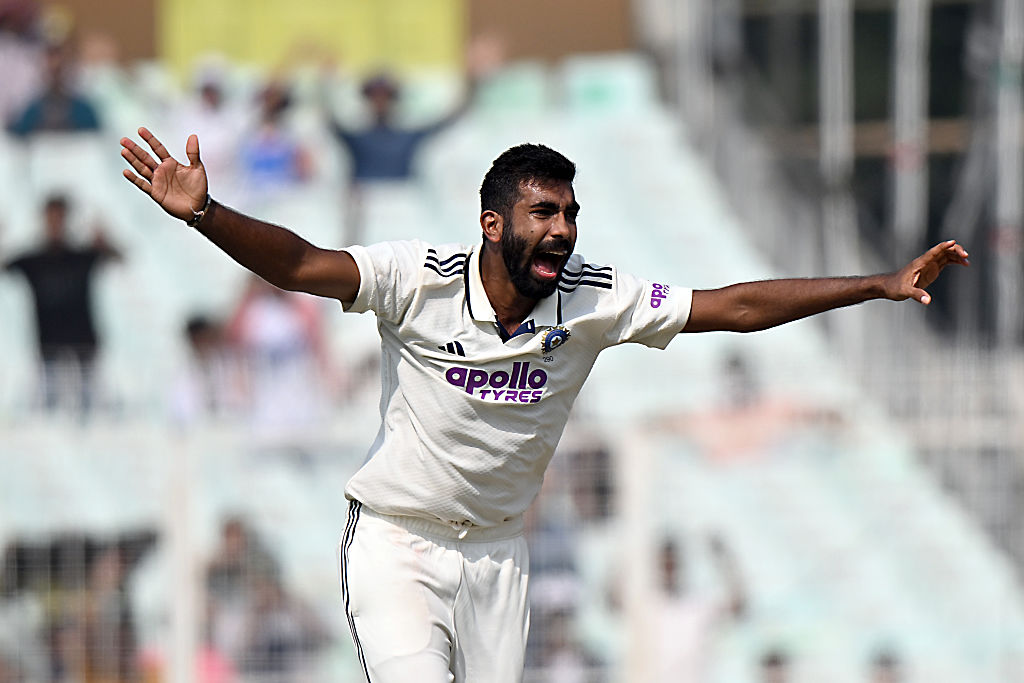
Former India fast bowler Karsan Ghavri has suggested that Jasprit Bumrah should consider taking a long break from cricket even up to a year if that is what it takes to return at full fitness. Ghavri pointed out that India's packed international schedule makes it difficult to manage the workload of elite fast bowlers, especially someone like Bumrah, whose unique bowling action places enormous stress on his body. His comments have sparked discussion about sports injuries and whether returning to the field too early increases the risk of repeated breakdowns. Sports medicine experts say recovery from a serious injury is about far more than simply becoming pain-free. It involves restoring strength, endurance, biomechanics, and the body's ability to tolerate the extreme physical demands of elite competition.
Recovery Is More Than Just Feeling Better
According to Dr. Priyadarshi Amit, Sports Medicine Specialist, Amrita Hospital, Faridabad, recovery cannot be judged by the absence of pain alone. "Recovery is not simply about pain disappearing or scans looking normal. It requires restoration of tissue healing, muscle strength, neuromuscular control, bowling mechanics and workload tolerance," says Dr Amit.
Modern sports medicine follows a criterion-based rehabilitation model rather than one based on fixed timelines. This means athletes progress to the next stage of rehabilitation only after meeting specific physical and functional goals instead of returning simply because a certain number of weeks have passed. Research published in the British Journal of Sports Medicine has consistently shown that returning to sport prematurely is one of the strongest predictors of repeat injuries, particularly among elite athletes.
"One of the most common causes of weak bones is insufficient calcium and vitamin D intake. Calcium is the primary mineral that gives bones their strength, while vitamin D helps the body absorb calcium effectively
Why Fast Bowlers Face A Higher Injury Risk
Fast bowling is among the most physically demanding actions in sport. Every delivery places tremendous force through multiple joints and muscles. Dr. Amit explains, "For a fast bowler, six to twelve months away from competitive cricket is not an overreaction; in many cases, it is a medically sound decision. Fast bowling generates ground reaction forces that can exceed five to eight times body weight during the delivery stride, placing extraordinary stress on the spine, knees, ankles and surrounding soft tissues." Over hundreds of deliveries across training sessions and matches, these repetitive forces can significantly increase the risk of stress injuries if the body has not fully recovered.
Why Bumrah's Bowling Action Requires Extra Care
Jasprit Bumrah's unconventional bowling action has helped him become one of the world's most successful fast bowlers. However, experts say his unique biomechanics also place exceptional demands on his musculoskeletal system.
According to Dr. Amit, "For someone like Jasprit Bumrah, whose unique bowling action generates exceptional pace while placing high biomechanical demands on the body, rehabilitation must be even more meticulous." Rather than rushing his comeback for the next tournament, the priority should be protecting his long-term career. "The goal should not be to make him available for the next series, but to preserve his career for the next five to seven years," he adds.
Is Taking A Year Off Really Necessary?
Not every injured athlete requires a year-long break. The duration depends on several factors, including:
- The type of injury
- Severity of tissue damage
- Whether surgery was required
- Strength recovery
- Functional testing
- Ability to tolerate bowling workloads
For certain stress injuries or recurrent problems, however, extended rehabilitation may provide the safest path back to elite competition. "Missing a season is disappointing, but missing the latter half of an exceptional career because of repeated breakdowns would be a far greater loss. Sometimes, the bravest sporting decision is choosing recovery over urgency," Dr. Amit says.
What Does Rehabilitation Involve?
Returning from a major sports injury usually follows several carefully planned stages. These include:
- Pain and inflammation control
- Restoring joint mobility
- Progressive muscle strengthening
- Balance and neuromuscular training
- Sport-specific conditioning
- Gradual return to bowling workloads
- Match simulation before competitive cricket
Each stage is monitored to minimise the risk of re-injury.
Can Returning Too Soon Lead To Repeat Injuries?
Experts say athletes who resume high-intensity competition before tissues have fully healed may experience:
- Recurrent muscle injuries
- Stress fractures
- Tendon problems
- Reduced performance
- Longer recovery after subsequent injuries
For elite athletes, repeat injuries can sometimes become career-limiting. This is why workload management has become an increasingly important aspect of professional cricket. Karsan Ghavri's suggestion that Jasprit Bumrah should take as much time as needed to recover highlights an important principle in sports medicine: long-term fitness should take priority over short-term availability. According to sports medicine experts, rehabilitation is about rebuilding strength, movement, and workload tolerance not simply waiting for pain to disappear. For fast bowlers, who place extraordinary stress on their bodies with every delivery, a carefully planned, criterion-based recovery may help reduce the risk of recurrent injuries and extend their careers for years to come.
Disclaimer: This content including advice provides generic information only. It is in no way a substitute for a qualified medical opinion. Always consult a specialist or your own doctor for more information. NDTV does not claim responsibility for this information.