

)
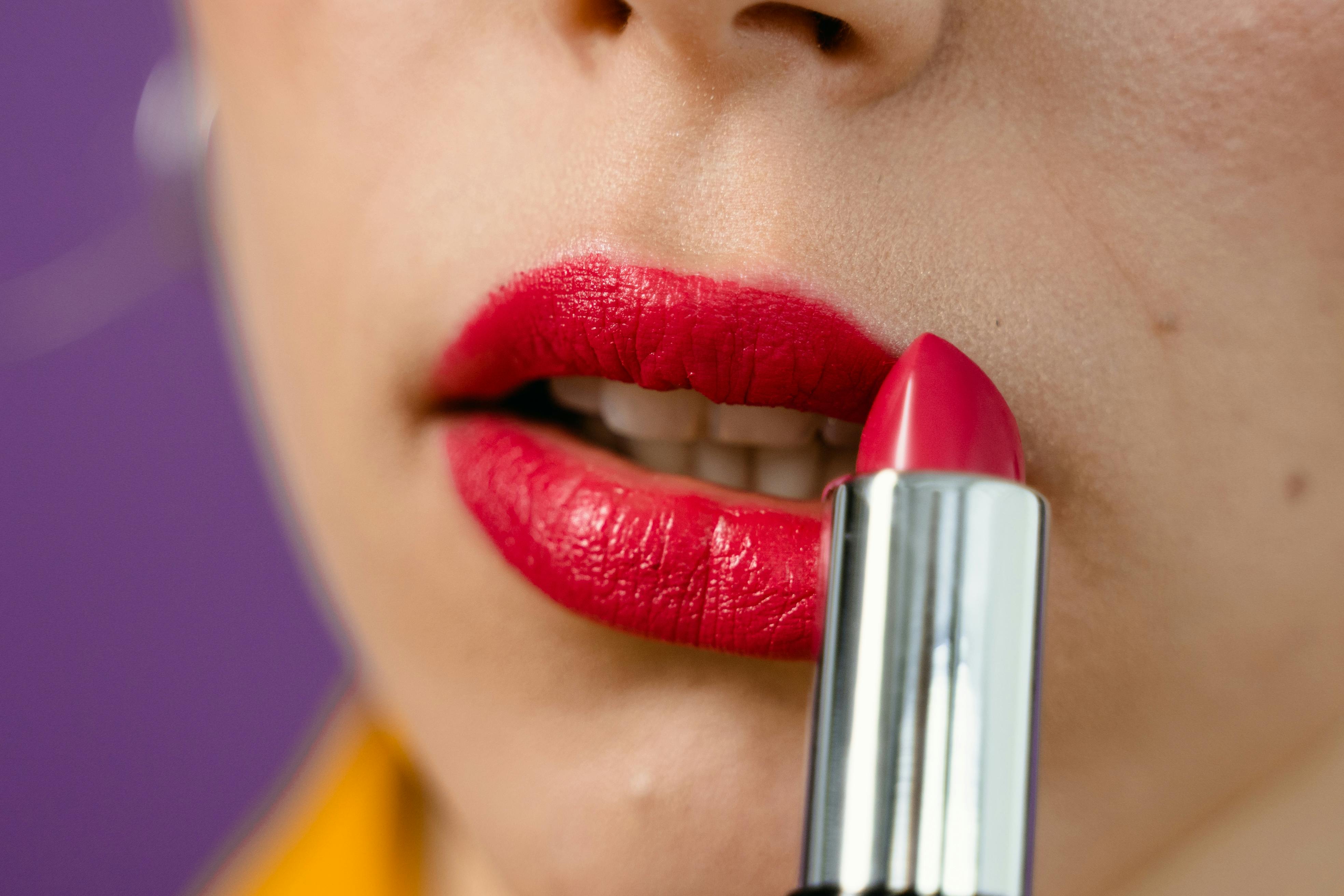
A swipe of lipstick may seem harmless. But experts say beauty should never come at the cost of health. As conversations around ingredient transparency grow louder, professionals are urging consumers to look beyond shade and finish and examine what truly goes into their everyday cosmetics.
An ideal lipstick colour may be the finishing touch to a makeup look; however, health professionals point out that consumers should not only be concerned about how the colour looks but also what it contains.
According to nutritionist Anjali Mukerjee, some lipsticks may contain trace amounts of heavy metals such as lead, mercury, arsenic and nickel, which could pose health risks.
In an Instagram post, Mukerjee highlights the cumulative toxic burden associated with daily-use personal care products, emphasising that cosmetic choices should never come at the expense of long-term health.
A common part of many beauty routines, lipsticks can contain trace levels of heavy metals like nickel, arsenic, lead, and mercury. According to Mukerjee, these chemicals may arise as impurities during the sourcing and manufacturing processes of pigments and are not intentionally added.
“It is just a part of the manufacturing process, and these heavy metals, they exist in very trace amounts as part of the pigments and also how they are sourced,” the nutritionist says in the video.
Heavy metals can produce free radicals, which are unstable molecules that cause oxidative stress and cellular damage. This oxidative stress can eventually damage cell membranes, alter the integrity of DNA, and interfere with regular metabolic functions.
Although regulatory agencies in many nations establish acceptable thresholds for these contaminants, critics contend that repeated daily exposure to multiple products may lead to bioaccumulation.
“Heavy metals are harmful because the human body has no safe way to eliminate them efficiently. Heavy metals generate free radicals, they damage the cell membranes, they damage the DNA,” the health expert says.
Anjali Mukerjee advises consumers to take preventive measures by looking for lipsticks labelled as natural, organic, lead-free, toxin-free, or aligned with clean beauty standards. "Daily-use products matter," she emphasises, highlighting how small, everyday choices can impact long-term health.
“Choosing clean, toxin-conscious formulations reduces long-term toxic burden on the body. Healthier choices today support wellbeing over time,” Mukerjee mentions in the caption.
Dermatologists and health professionals recommend ingredient transparency, noting that the market shift towards safer products is being fuelled by increasingly informed consumers. Nevertheless, experts caution against assuming that "natural" always means safe.
Disclaimer: This content including advice provides generic information only. It is in no way a substitute for a qualified medical opinion. Always consult a specialist or your own doctor for more information. NDTV does not claim responsibility for this information.