

)
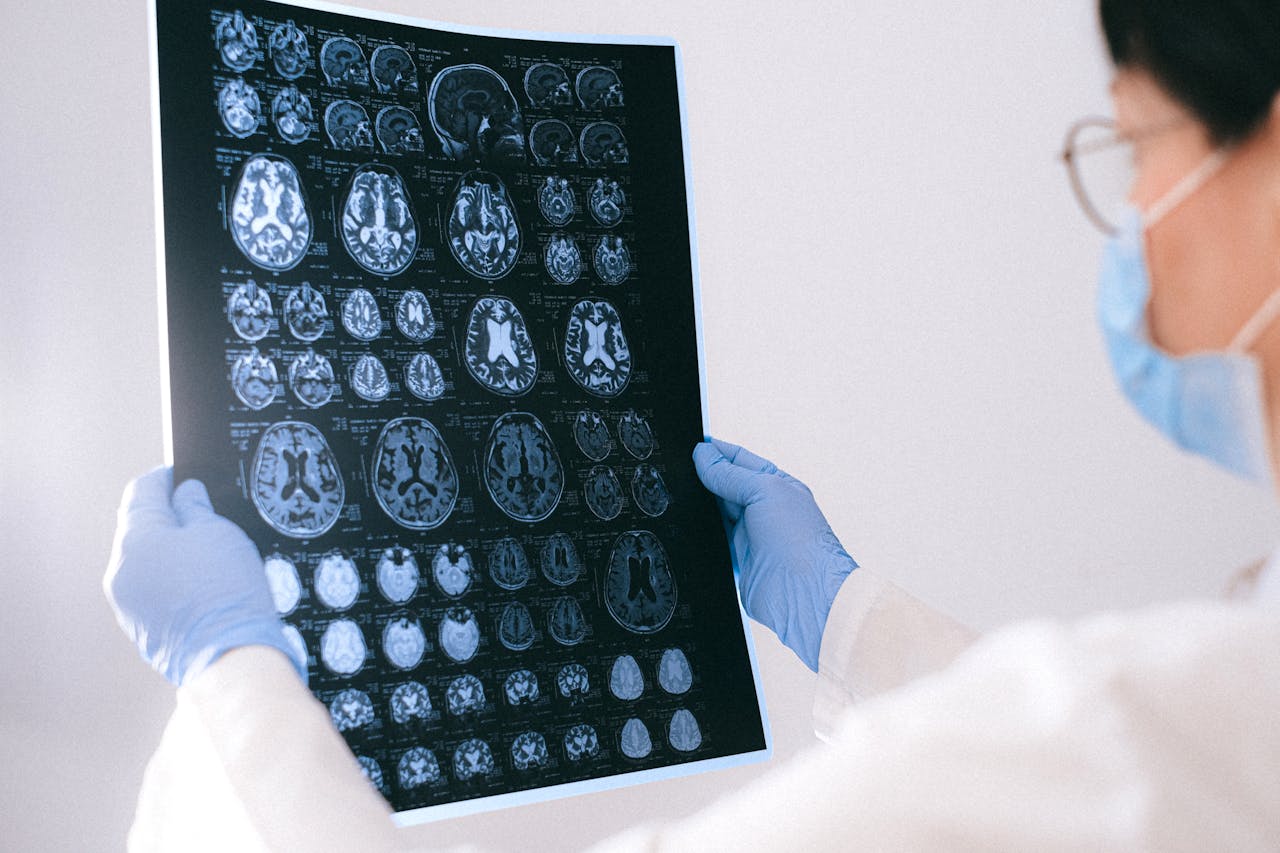
World Alzheimer's Day is observed globally every year on September 21. This day aims to raise awareness about Alzheimer's disease and other dementias. The theme for World Alzheimer's Day 2026 is 'The Earlier You Know, The More You Can Do: A Dementia Diagnosis Matters.' The 2026 campaign focuses on early detection and diagnosis. Alzheimer's disease is a progressive neurological disorder that causes the brain to shrink and brain cells to gradually die. It leads to a decline in memory, thinking, behaviour, and social skills that severely impacts a person's ability to function independently.
Sleep and risk of Alzheimer's: Link decoded
Chronic poor sleep is one of the significant risk factors that can contribute to the onset and accelerated progression of Alzheimer's disease. While a single night of bad sleep will not cause the disease, decades of poor sleep quality or sleeping fewer than 6 hours a night can dramatically increase your risk.
Poor sleep may be more than a problem of feeling tired or irritable the next day. Growing evidence suggests that chronic, disrupted or insufficient sleep may be associated with changes in the brain that are also seen in Alzheimer's disease. During healthy sleep, particularly deep sleep, the brain carries out important maintenance functions, including clearing metabolic waste products that accumulate during waking hours. One of the proteins of interest is beta-amyloid, which can build up into plaques in the brains of people with Alzheimer's disease. Poor sleep has been associated with reduced clearance of such waste and with changes in processes involved in memory and brain health.
However, it is important not to interpret this as meaning that poor sleep directly causes Alzheimer's disease. Alzheimer's is a complex, multifactorial condition involving age, genetics, cardiovascular and metabolic health, lifestyle and other factors. Sleep problems may potentially contribute to risk, but they can also occur as an early feature of neurodegenerative disease, making the relationship between sleep and Alzheimer's bidirectional.
The quality of sleep matters as much as the number of hours. Repeated awakenings, fragmented sleep and inadequate deep sleep may prevent the brain from completing its normal restorative processes. Conditions such as obstructive sleep apnoea are particularly important because they can repeatedly interrupt breathing during sleep, cause oxygen fluctuations and lead to poor-quality sleep. If someone snores loudly, wakes up gasping, has witnessed pauses in breathing or experiences excessive daytime sleepiness, they should discuss these symptoms with a doctor.
For most adults, aiming for around seven to nine hours of good-quality sleep each night is a reasonable target. Maintaining a consistent sleep-wake schedule, getting regular physical activity, limiting caffeine later in the day, avoiding excessive alcohol, reducing screen exposure close to bedtime and keeping the bedroom dark and comfortable can support better sleep.
People should also pay attention to persistent changes in memory, concentration or thinking rather than assuming they are simply due to poor sleep. Forgetfulness that interferes with daily activities, difficulty performing familiar tasks or noticeable changes in behaviour warrants medical evaluation.
The key message is that sleep should be viewed as an important component of long-term brain health. While better sleep cannot guarantee protection against Alzheimer's, identifying and treating chronic sleep problems may be an important and modifiable part of maintaining cognitive health as you age.
(Dr Atampreet Singh, Senior Director and Head of the Department of Neurology and Neurosciences, ShardaCare - Healthcity)
Disclaimer: The opinions expressed within this article are the personal opinions of the author. NDTV is not responsible for the accuracy, completeness, suitability, or validity of any information on this article. All information is provided on an as-is basis. The information, facts or opinions appearing in the article do not reflect the views of NDTV and NDTV does not assume any responsibility or liability for the same.