





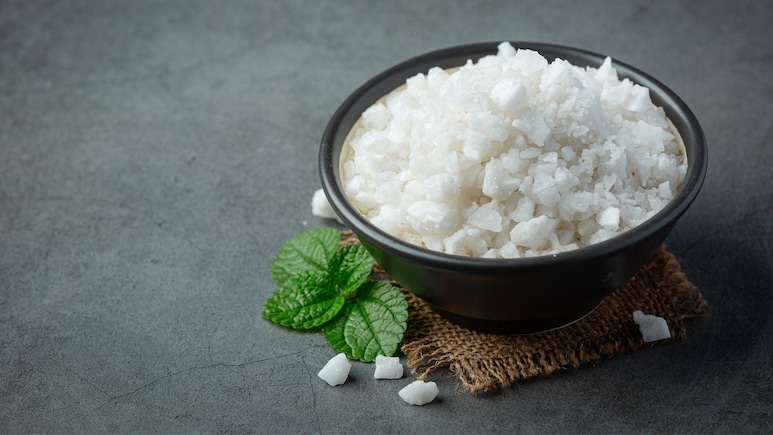
Camphor, or 'kapoor', as it is most commonly known in Indian households, is derived from the Cinnamomum camphora tree. It has a long history of use in Indian households for rituals, Ayurveda, and as a popular home remedy. In recent years, questions have emerged about its impact on brain health. While traditional practices claim benefits such as improved alertness and memory, modern scientific studies highlight risks of neurotoxicity when consumed or inhaled in excess. There is a need to balance cultural relevance with evidence-based caution, especially since the quality of camphor available in the market varies and can affect health when inhaled.
Claimed Benefits Of Camphor For Brain Health
Traditional Uses Of Camphor
In Ayurveda, camphor is believed to calm the mind, reduce stress, and enhance focus. This is why Indian households practise ritual burning of camphor during puja, which is said to purify the environment and promote mental clarity. In Indian rituals, burning camphor symbolises the removal of negativity and is thought to create a purified environment. These cultural practices have reinforced the perception of camphor as beneficial for mental clarity.
However, modern science stresses that these effects are largely anecdotal and require more clinical validation before being considered reliable for brain health. Additionally, checking the quality of camphor is essential before using it for burning, and it should only be used in ventilated spaces to avoid harmful buildup of vapours.
Read More: These Nutrients Boost Brain Health; Common Food Sources
Modern Claims Of Usage Of Camphor
Some aromatherapy studies suggest camphor vapours may stimulate the nervous system, leading to temporary alertness. There are anecdotal reports that link camphor use to improved concentration, though controlled trials are scarce. This is the main reason why Indian households often use camphor in festive seasons, associating it with mental freshness.
Camphor's role in Indian households is not limited to rituals. It is also used in balms, oils, and inhalants for colds and congestion. These uses are built on traditional practices but are increasingly being studied through the lens of modern science. Still, the evidence for direct brain health benefits remains weak.
Read More: These Supplements Will Help Boost Your Brain Health
Risks And Side Effects Of Camphor
Neurological Toxicity
Scientific studies caution that camphor ingestion or over-exposure can cause seizures, confusion, and irritability. Children are particularly vulnerable, with documented cases of accidental poisoning in India. The WHO guidelines emphasise that natural substances like camphor should not be assumed safe without dosage control.
It is also important to note that the purity of camphor matters. Synthetic camphor, often sold in markets, may contain impurities that increase health risks. Burning camphor in poorly ventilated spaces can lead to vapours settling in the lungs, potentially causing respiratory irritation and neurological symptoms.
Safe Use Guidelines
Studies recommend limiting camphor use to ritual burning in ventilated spaces or topical applications under medical guidance. Consuming camphor is strongly discouraged, and it should not be taken over the counter. The Indian Council of Medical Research (ICMR) highlights the need for public awareness campaigns to prevent misuse.
Safe practices include:
- Avoiding ingestion of camphor.
- Using only pure camphor for rituals.
- Ensuring proper ventilation during burning.
- Keep camphor products away from children.
Cultural Significance Of Camphor
Camphor is deeply embedded in Indian rituals, especially during Diwali and temple ceremonies. Its symbolic role as a purifier often overshadows legitimate health concerns. While Ayurveda texts mention camphor for calming the mind, modern studies urge moderation.
ICMR and Indian medical journals report rising cases of camphor poisoning due to unsupervised use. Awareness about safe practices is limited, particularly in rural areas where camphor is often used without guidance. Balancing cultural respect with scientific caution is essential to ensure safety while preserving traditions.
Read More: World Brain Health Day 2025: Theme, History, Significance & Changes To Make Today For Better Brain
Precautions To Practise While Using Camphor
Given the safety instructions to be followed while using camphor, it is important to know these extra precautions as well:
- Camphor is not recommended for oral consumption.
- Children and infants are at the highest risk of toxicity.
- Aromatherapy use may provide mild stimulation but lacks strong evidence.
- The WHO cautions against the over-medicalisation of natural substances.
- ICMR reports highlight poisoning cases in India.
- The Lancet Digital Health notes risks of unregulated traditional remedies.
The safest approach to using camphor is to practise moderation, ventilation, and awareness of purity. There is a need to balance cultural respect with evidence-based caution to ensure that camphor continues to be part of Indian households without compromising health and brain safety.
Disclaimer: This content, including advice, provides generic information only. It is in no way a substitute for a qualified medical opinion. Always consult a specialist or your doctor for more information. NDTV does not claim responsibility for this information.
Track Latest News Live on NDTV.com and get news updates from India and around the world

