
- Sheikh Hasina has criticised interim government for failing to stop violence in Bangladesh
- Osman Hadi's killing sparked attacks on media and cultural organisations in Dhaka
- Hasina alleges Yunus regime released terrorists and empowered radicals in government
Violence has become the norm in Bangladesh, and the interim government headed by Muhammad Yunus is either in denial or powerless to stop it, the country's ousted Prime Minister, Sheikh Hasina, has said. In an email interview with news agency ANI, Hasina has slammed the interim government for its failure to maintain peace in Bangladesh. The death of Sharif Osman Hadi, a political activist who played a key role in the July movement that led to Hasina's ouster, has triggered a fresh wave of violence in Bangladesh. Osman Hadi was shot at close range in Dhaka on December 12 while he was in a rickshaw. He suffered a head injury and was airlifted to Singapore for better treatment. He died on December 18.
Offices of prominent newspapers, The Daily Star and Prothom Alo, and cultural organisations Chhayanaut and Udichi Shilpi Gosthi, have come under attack in the violence after Hadi's killing. Hasina has said such violence destabilises Dhaka's relations with its neighbours.
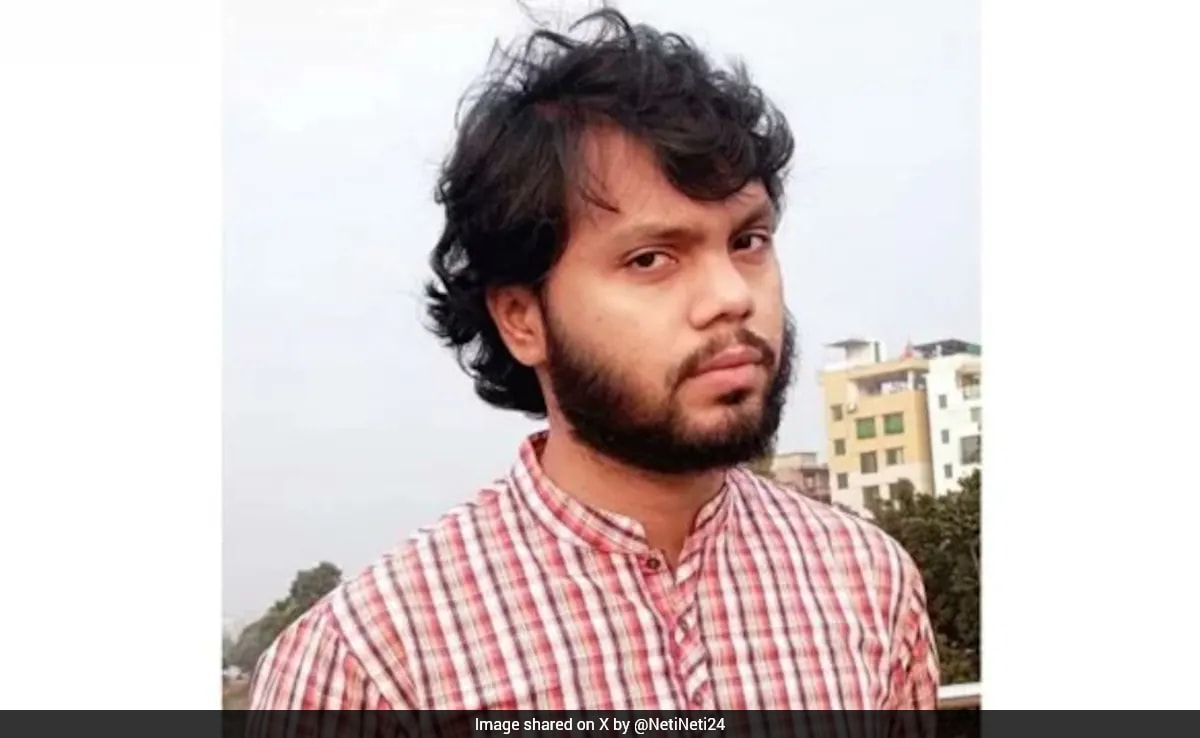
On Osman Hadi's Killing
"This tragic killing reflects the lawlessness that uprooted my government and has multiplied under Yunus. Violence has become the norm while the interim government either denies it or is powerless to stop it. Such incidents destabilise Bangladesh internally but also our relationships with neighbours who are watching with justified alarm."
"India sees the chaos, the persecution of minorities, and the erosion of everything we built together. When you cannot maintain basic order within your borders, your credibility on the international stage collapses. This is the reality of Yunus's Bangladesh," she said.
Hasina said the Yunus regime has released convicted terrorists from prison and also hinted at its decision to lift the ban against radical organisation Jamaat-e-Islaami.
"I share this concern, as do the millions of Bangladeshis who prefer the safe, secular state we once were. Yunus has placed extremists in cabinet positions, released convicted terrorists from prison, and allowed groups linked to international terrorist organisations to take roles in public life. He is not a politician and has no experience governing a complex nation. My fear is that radicals are using him to project an acceptable face to the international community while they systematically radicalise our institutions from within," she said.
"This should alarm not only India, but every nation invested in South Asian stability. The secular character of Bangladeshi politics was one of our greatest strengths, and we cannot allow it to be sacrificed at the whim of a few idiotic extremists. Once democracy is restored and responsible governance returns, such reckless talk will end," she added.
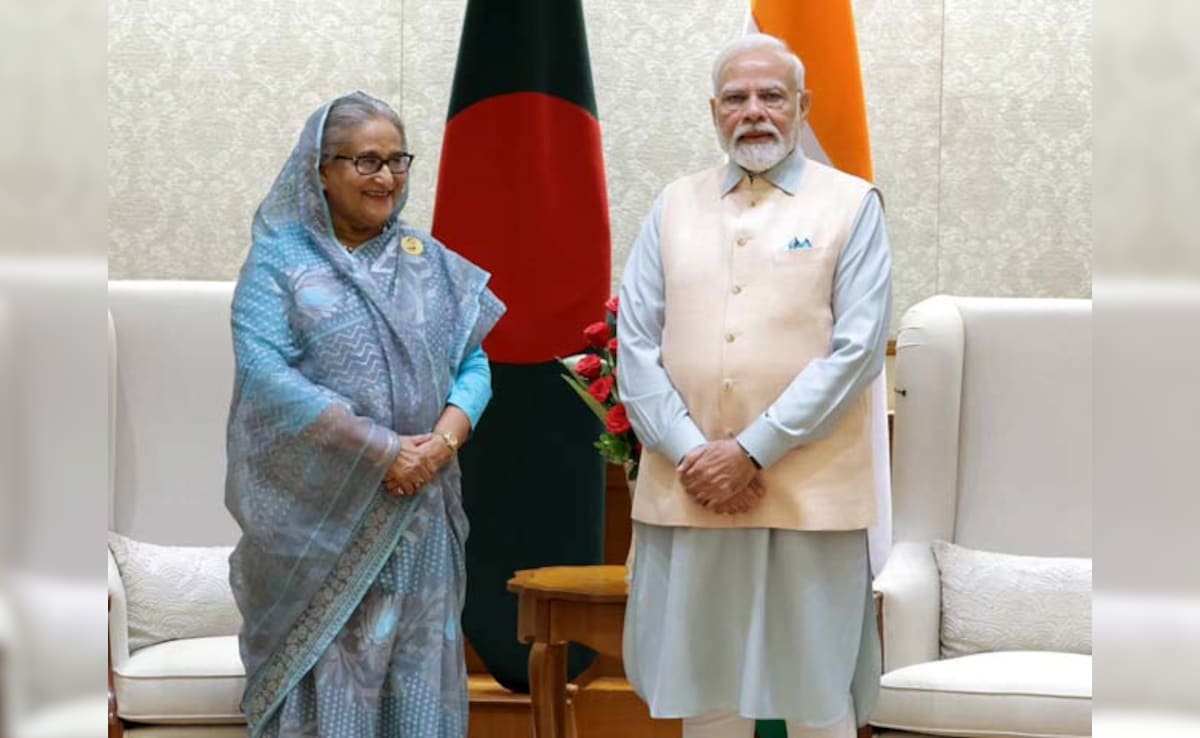
On Delhi-Dhaka Ties
The past week has also seen anti-India protests in Bangladesh, and the brutal murder of Dipu Chandra Das, a 27-year-old Hindu man, in Mymensingh. Das was beaten to death and his body set on fire in the middle of a highway because he allegedly made a derogatory remark against Prophet Muhammad. The investigation in the aftermath of this death has not found any evidence of him making such a remark.
Hasina said the interim government has hostile statements against New Delhi and failed to protect religious minorities.
"The strain you are witnessing is entirely of Yunus's making. His government issues hostile statements against India, fails to protect religious minorities, and allows extremists to dictate foreign policy, then expresses surprise when tensions rise. India has been Bangladesh's most steadfast friend and partner for decades. The ties between our nations are deep and fundamental; they will outlast any temporary government. I am confident that once legitimate governance is restored, Bangladesh will return to the sensible partnership we cultivated over fifteen years," she said.
Amid the tension in Bangladesh, the Indian Visa Application Centre in Chittagong announced the immediate suspension of all visa operations.
"This hostility is being manufactured by extremists who have been emboldened by the Yunus regime. These are the same actors who marched on the Indian embassy and attacked our media offices, who attack minorities with impunity, and who forced my family and me to flee for our lives. Yunus has placed such figures in positions of power and released convicted terrorists from prison. India's concerns about the safety of its personnel are justified, I am sorry to say.
"A responsible government would protect diplomatic missions and prosecute those who threaten them. Instead, Yunus grants immunity to hooligans and calls them warriors," she said. The Yunus-led interim government, she said, has "no mandate to realign Bangladesh's foreign policy" and warned that strategic decisions of an unelected administration could have long-term consequences for the country.
"Once Bangladeshis can vote freely again, our foreign policy will return to serving our national interests, not the ideological fantasies of extremists who have temporarily seized power," she said.
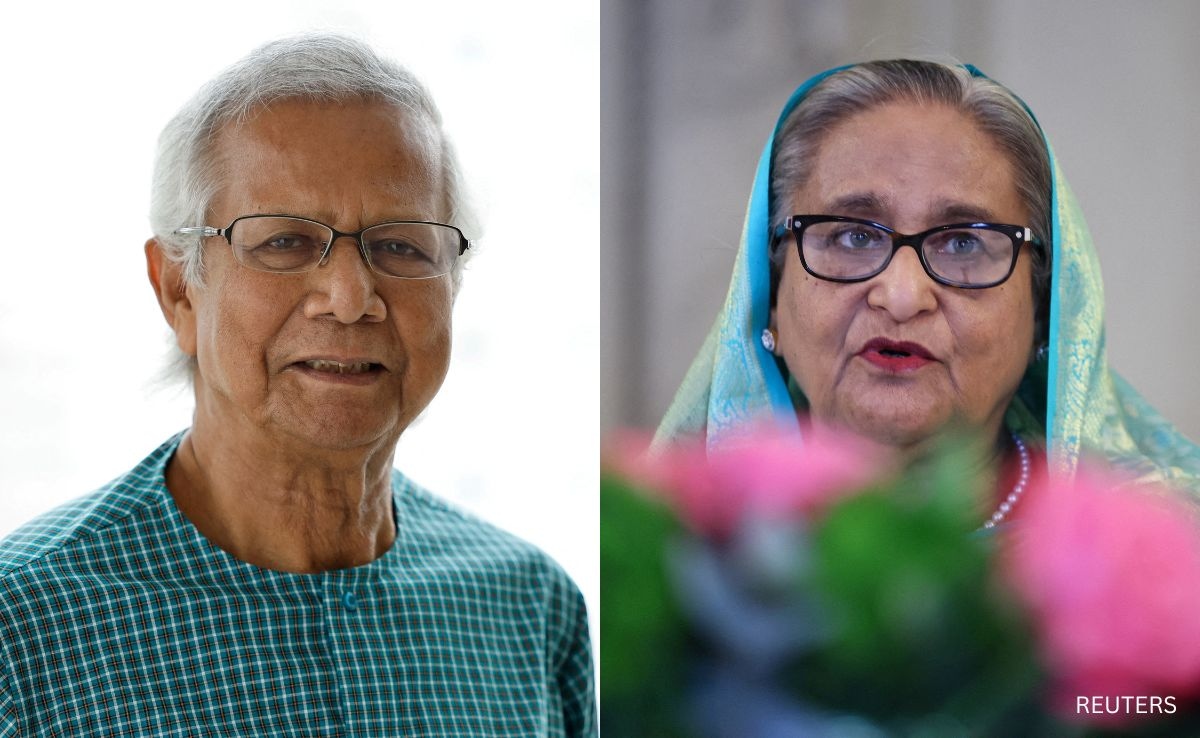
On Death Sentence
Hasina slammed the International Crimes Tribunal trial that culminated in her conviction for crimes against humanity and a death sentence. Calling it a "political assassination in judicial robes", she said, "This verdict has nothing to do with justice and everything to do with political elimination. I was denied the right to defend myself, and denied lawyers of my choosing. The tribunal was used to perpetrate a witch hunt of the Awami League," she said.
She said her faith in Bangladesh's constitutional framework remains intact. "Our constitutional tradition is strong, and when legitimate governance is restored and our judiciary regains its independence, justice will prevail."
On the upcoming elections in February, Sheikh Hasina said polls in the absence of the Awami League are a "coronation". "An election without the Awami League is not an election, but a coronation," she said. Hasina said Yunus has governed "without a single vote from the Bangladeshi people" and has banned a party "that has been elected nine times by popular mandate."
Hasina said millions would be disenfranchised if the ban continues. "Historically, when Bangladeshis cannot vote for their preferred party, they do not vote at all," she said.
Addressing calls for her extradition following the verdict, Hasina said such demands stem from "an increasingly desperate and adrift Yunus administration," while others recognise the process as "a politically-motivated kangaroo tribunal."
She said she was "heartened and grateful for the solidarity that India continues to show in maintaining its hospitality" and for the "endorsement of this position recently made by all of India's political parties."
She said she left Bangladesh "to prevent further bloodshed, not out of fear of facing justice". "You cannot demand my return to face my political assassination," she said.
She reiterated her challenge to Yunus to take the matter to The Hague because she is "confident that an independent court would acquit me," and asserted that she would "gladly return" when Bangladesh has "a legitimate government and an independent judiciary."
Track Latest News Live on NDTV.com and get news updates from India and around the world


