A comment by the Bangladesh Jamaat-E-Islami Bangladesh chief, Dr Shafiqur Rahman, on ties with India has gone viral on social media. In response to a query by a journalist on what kind of relations Bangladesh will have with India if the Jamaat comes to power, the Jamaat Chief points to green, glittering lights and says, "When it comes to relations with India, can you see how colourful it is..." amidst peals of laughter as he walks away.
While the comment is cryptic, it is being seen as a realisation within the Jamaat that pro-Pakistan and anti-India positions have not worked in the interests of Bangladesh.
The comment is perhaps the first indication that the Jamaat may be open to cultivating better ties with India even as India-Bangladesh ties have nosedived as the interim government of Bangladesh has repeatedly flagged ousted Prime Minister Sheikh Hasina's stay in India as an issue. The Jamaat has often targeted India for allowing Hasina to be there, and several Jamaat sympathisers have often spoken about targeting India's northeast.
But in recent times the top leadership of the Jamaat have tempered down on the rhetoric. Shafiqur Rahman had earlier claimed that an Indian diplomat met with him in December 2025.
In its manifesto for the upcoming elections, the Bangladesh Jamaat-E-Islami called for peaceful and cooperative relations with neighbouring countries, including India, Bhutan, Nepal, Myanmar, Sri Lanka, the Maldives and Thailand, based on "mutual respect and fairness".
The Jamaat, which is a pro-Pakistan, hardline Islamic organisation, has been known for its anti-India stance in the past, and several of its leaders or affiliates have made anti-India statements. The Jamaat, however, has attempted an image makeover in recent times with some outreach towards Hindus as well. It has even fielded a Hindu candidate in a Hindu-dominated constituency. India has repeatedly flagged the atrocities against Hindus in Bangladesh.
The interim government's foreign affairs adviser, Mohammed Touhid Hossain, has admitted that the relations between Bangladesh and India have not been 'very smooth' and have, to some extent, stalled, facing some setbacks during the tenure of the interim government. But he expressed optimism that the next elected government would be able to address these challenges and make the relationship smoother.
"I do not want to blame anyone. India has certainly acted in the way it considers best for its interests. We have also tried to act in a way that protects our interests. In many cases, the expectations of the two sides did not match," he told reporters on Thursday.
Regarding the demand for sending Hasina to Bangladesh, which the interim government has said is a major issue between the two countries, the Foreign Affairs Adviser said, "What has been done officially can be said. We have asked for her return. We have not received a response. It would not be right for us to speculate beyond that."
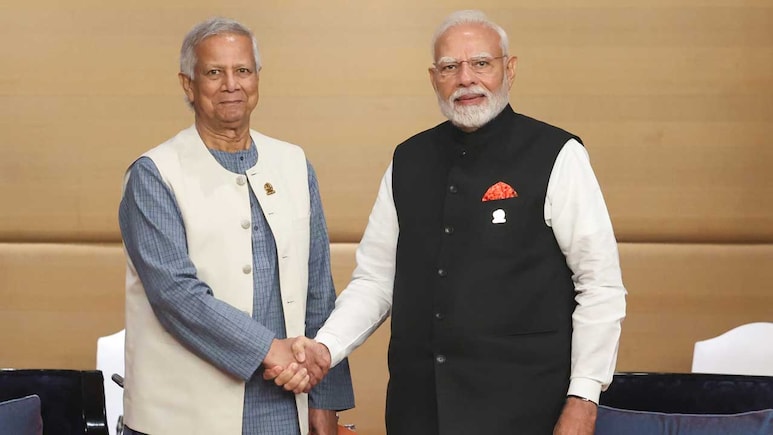
Relations with India worsened since the fall of the Hasina government and the Interim Government's Chief Adviser Muhammad Yunus's comments on India's northeast in China. Attacks on Hindus have also added to the list of other issues that have seen India-Bangladesh ties spiral.
The Jamaat's main rival in these elections has also sought pragmatic ties with India.
India is seeking a reset in bilateral relations once Bangladesh returns to an elected government after the February 12 elections. Foreign Minister S Jaishankar met BNP Chairperson Tarique Rahman in Dhaka during the funeral of former Prime Minister Begum Khaleda Zia. During his meeting with Rahman, Jaishankar acknowledged Zia's contribution to democracy and expressed optimism about closer India-Bangladesh ties after the coming elections.
On arrival in Dhaka, met with Mr Tarique Rahman @trahmanbnp, Acting Chairman of BNP and son of former PM of Bangladesh Begum Khaleda Zia.
— Dr. S. Jaishankar (@DrSJaishankar) December 31, 2025
Handed over to him a personal letter from Prime Minister @narendramodi.
Conveyed deepest condolences on behalf of the Government and… pic.twitter.com/xXNwJsRTmZ
Track Latest News Live on NDTV.com and get news updates from India and around the world


