

)
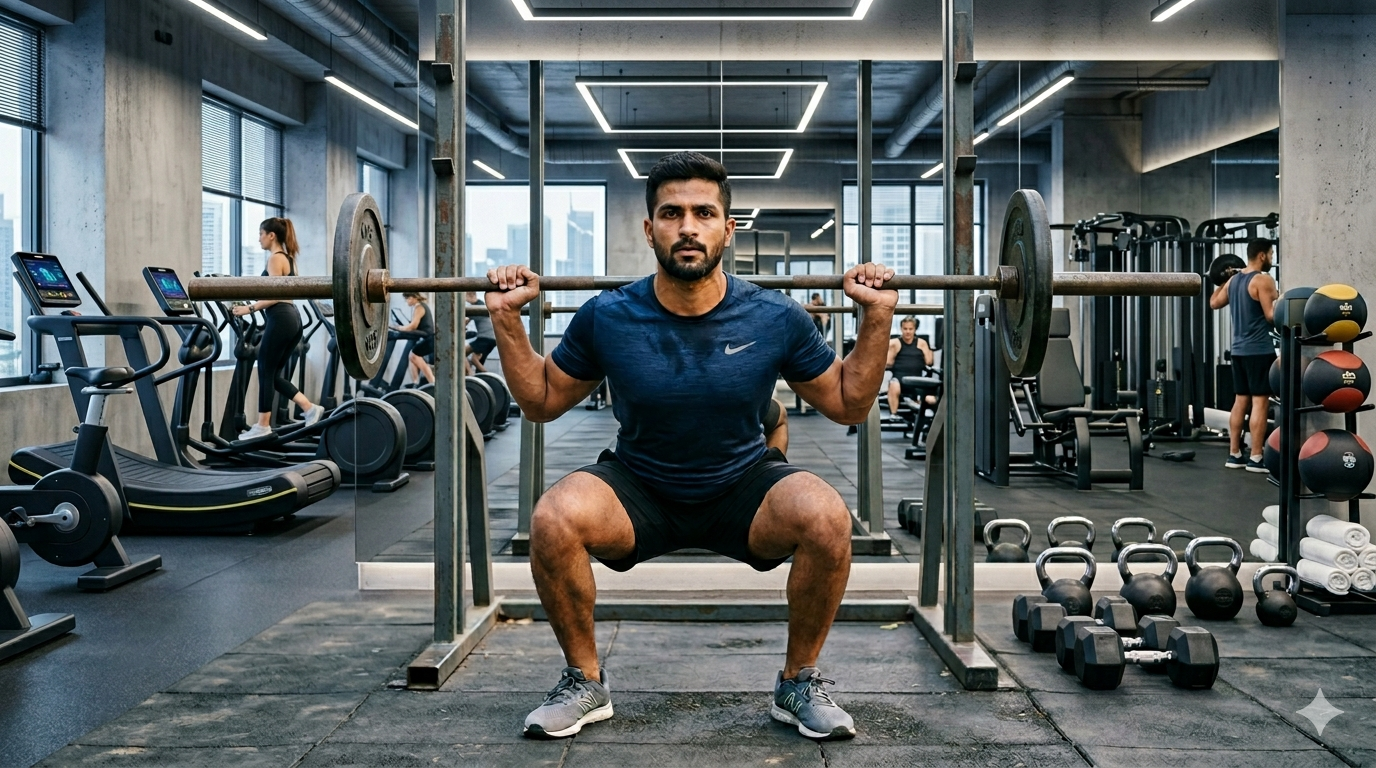
Lifting heavy weights is one of the best ways to build muscle, improve bone strength and boost overall fitness. However, poor lifting technique can quickly turn a productive workout into a painful back injury. From muscle strains to slipped discs, improper lifting is one of the most common reasons people experience lower back pain both inside and outside the gym. The good news is that most lifting-related back injuries are preventable. According to orthopaedic and sports medicine experts, using proper form, progressing gradually and strengthening your core can significantly reduce your risk while helping you train more effectively.
Why Does Heavy Lifting Cause Back Pain?
Your spine supports the weight of your upper body while transferring force between your legs and arms. When you lift with poor posture or excessive weight, the muscles, ligaments and spinal discs are placed under excessive stress. Common causes of lifting-related back injuries include:
- Rounding the lower back
- Lifting more weight than your body can handle
- Weak core muscles
- Poor warm-up
- Sudden twisting while lifting
- Fatigue leading to poor technique
Warm Up Before You Lift
Never jump straight into heavy lifts. Spend 5-10 minutes increasing your heart rate with light cardio, followed by dynamic stretches and mobility exercises for your hips, shoulders and spine. Perform one or two lighter sets before attempting your working weight. A proper warm-up prepares your muscles and joints while improving lifting mechanics.
Also read: What Is Muscle Fatigue? Try These Expert Tips For Quick Relief
Master Proper Technique First
The safest lifters aren't always the strongest they're usually the ones with the best form. Before increasing weight, ensure you can perform every repetition with proper technique. Key principles include:
- Keep your spine in a neutral position
- Brace your core before lifting
- Keep the weight close to your body
- Lift with your hips and legs rather than your back
- Avoid jerking the weight
If your form breaks down, reduce the load.
Strengthen Your Core
A strong core acts like a natural brace for your spine. Exercises that improve core stability include:
- Planks
- Dead bugs
- Bird dogs
- Pallof presses
- Farmer's carries
Remember that core training is about stability not just developing visible abdominal muscles.
Progress Gradually
One of the biggest mistakes is increasing weight too quickly. Allow your muscles, joints and connective tissues time to adapt by increasing loads gradually instead of making large jumps. Progressive overload should be controlled and consistent.
Don't Hold Your Breath Improperly
Breathing plays an important role in spinal stability. For heavy compound lifts, many experienced lifters use controlled abdominal bracing to stabilise the spine. However, beginners should learn proper breathing techniques under qualified supervision, especially if they have high blood pressure or cardiovascular conditions.
Wear Appropriate Footwear
Stable footwear provides a solid foundation for lifting. Avoid soft, cushioned running shoes during heavy squats or deadlifts, as they reduce stability and balance.
Listen To Pain Signals
Muscle fatigue is normal. Sharp pain, sudden back spasms, numbness, tingling or pain radiating into the legs is not. Stop lifting immediately if these symptoms occur and seek medical evaluation if they persist.
Also read: These Leg Workouts Can Improve Your Cardiovascular Health, Expert Explains
Recovery Matters Too
Your back recovers between workouts not during them. Support recovery by:
- Sleeping 7-9 hours
- Eating enough protein
- Staying hydrated
- Taking rest days
- Avoiding repetitive heavy lifting without adequate recovery
Heavy weight training is safe and highly beneficial when performed correctly. Most back injuries occur because of poor technique, excessive weight or inadequate preparation not because lifting itself is harmful. Focus on mastering proper form, strengthening your core, warming up thoroughly and increasing weights gradually. Building strength patiently is far more effective and much safer than rushing to lift heavier loads before your body is ready.
Disclaimer: This content including advice provides generic information only. It is in no way a substitute for a qualified medical opinion. Always consult a specialist or your own doctor for more information. NDTV does not claim responsibility for this information.