

)
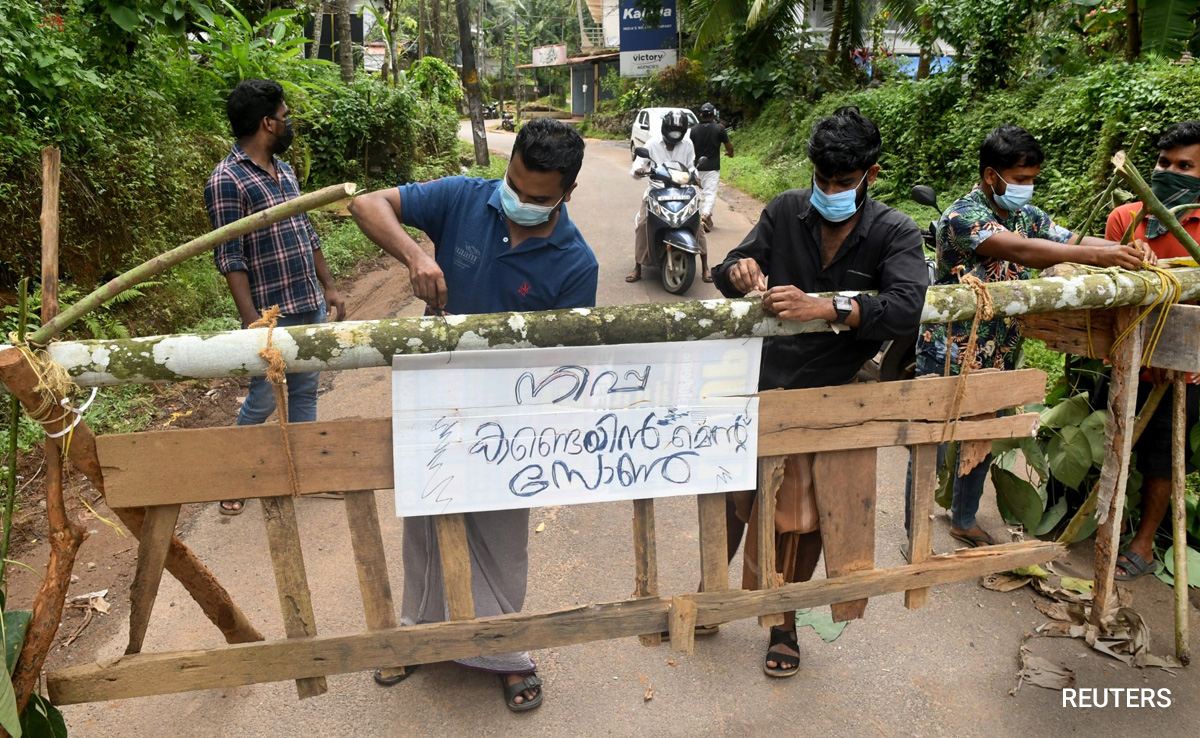
In the absence of a vaccine or specific antiviral therapy, combating deadly pathogens like the Nipah virus may seem daunting. Yet Kerala has repeatedly demonstrated that strategic public health action can successfully contain outbreaks of Nipah virus disease (NiVD). First identified in Kerala in 2018, subsequent outbreaks in 2019, 2021 and as recently as 2025 have tested the state's preparedness. Despite Nipah's high fatality rate, often between 40% and 75%, and its zoonotic origin from fruit bats (Pteropus species), Kerala has repeatedly brought outbreaks under control with timely surveillance, rigorous contact tracing, isolation protocols and public communication rather than pharmaceutical interventions.
The World Health Organization (WHO) lists Nipah virus as a priority pathogen because of its epidemic potential and lack of vaccine, but its containment in Kerala highlights how strong health systems matter more than a single medical countermeasure. By combining early detection, layered prevention strategies, and community engagement, Kerala illustrates how even high-risk infectious diseases can be managed effectively.
The Nature of Nipah Virus and Why Containment Is Possible
Nipah virus is a zoonotic disease that typically spills over from fruit bats to humans, either directly through contact with contaminated food or indirectly via infected animals. While human-to-human transmission is possible, it generally requires close and prolonged contact with infectious secretions. This contrasts with highly transmissible airborne viruses like influenza or SARS-CoV-2.
Without a licensed vaccine or specific treatment available, much of the clinical management focuses on supportive care for severe respiratory and neurological symptoms, often provided in intensive care settings.
However, what makes Nipah outbreaks containable, even without vaccines, is the fact that transmission isn't as efficient as airborne pathogens, giving public health systems time to act if they are prepared.
Also Read: Nipah Spread Risk From India Low, No Need For Travel Or Trade Curbs: WHO
1. Early Detection and Rapid Response Matters: Surveillance and Case Detection
Kerala's strength lies in its robust surveillance systems that rapidly detect unusual illness clusters suggestive of Nipah virus disease. After the first Kozhikode outbreak in 2018, Kerala significantly expanded its syndromic surveillance, including acute encephalitis and severe acute respiratory illness (SARI) surveillance, enabling quick identification of suspect cases and early laboratory confirmation.
Prompt case identification triggers immediate public health action. For example, during the 2025 outbreaks, several confirmed cases in Malappuram and Palakkad led to tracing of over 670 contacts, indicating the government's commitment to early action.
2. Contact Tracing and Isolation
Once cases are identified, Kerala swiftly implements comprehensive contact tracing, often tracking hundreds of individuals potentially exposed through family, healthcare settings, or community contact. This was evident in the 2018 outbreak, when over 2,500 contacts were monitored intensively.
All contacts are monitored for the virus's typical 4-14-day incubation period, and those who become symptomatic are rapidly isolated and tested. This approach curtails onward transmission before the virus can spread widely.
3. Infection Control and Preparedness: Hospital Infection Prevention Measures
Kerala's public health protocols closely follow WHO-recommended infection prevention and control (IPC) practices. These include:
- Isolation of suspected and confirmed cases in dedicated wards
- Strict use of personal protective equipment (PPE) by healthcare workers
- Decontamination of patient spaces and equipment
- Training of health staff in bio-risk management
These measures reduce nosocomial transmission, a known factor in earlier outbreaks in other regions where inadequate IPC allowed the virus to spread within healthcare facilities.
4. Multisectoral Collaboration and One Health Strategy
Kerala's approach integrates human health, animal health and environmental surveillance, embodying a One Health strategy. Close collaboration between state health departments, the Indian Council of Medical Research (ICMR), National Centre for Disease Control (NCDC) and WHO ensures that scientific expertise informs every decision, from field response to clinical guidelines and community advisories.
5. Public Communication and Community Engagement: Countering Fear and Misinformation
Kerala's response emphasizes transparent public communication. During earlier outbreaks, helplines, traditional media and online platforms disseminated clear advice on recognising symptoms, avoiding bat-contaminated foods (especially fruits bitten by bats), and seeking prompt medical care. Community engagement helped reduce panic and ensured that the public cooperated with surveillance and isolation measures, a crucial factor in interrupting transmission.
Also Read: Why Nipah Virus Isn't The Next Covid-19: 3 Diseases Might Be Bigger Pandemic Risks
6. Strengthening Diagnostic and Research Capacity
Following the 2018 outbreak, Kerala established the Institute of Advanced Virology in Thiruvananthapuram to bolster virology research, diagnostics and outbreak response capabilities. This facility conducts virus detection, genomic studies and molecular epidemiology, enhancing early detection and evidence-based response for Nipah and other pathogens.
While some recent samples were initially tested outside the state in national labs due to procedural norms, the presence of such infrastructure strengthens Kerala's long-term capacity for managing infectious disease outbreaks.
Kerala's repeated success in containing Nipah virus outbreaks, without a vaccine or specific treatment, underscores how effective public health systems, early detection, rigorous contact tracing, hospital infection control and community engagement can control even high-fatality diseases. The state's experience demonstrates that preparedness, swift action and multisectoral coordination can limit spread and save lives. As emerging infectious diseases continue to challenge global health systems, Kerala's model offers a valuable blueprint for countries seeking to strengthen their outbreak response capabilities.
Disclaimer: This content, including advice, provides generic information only. It is in no way a substitute for a qualified medical opinion. Always consult a specialist or your own doctor for more information. NDTV does not claim responsibility for this information.