

)
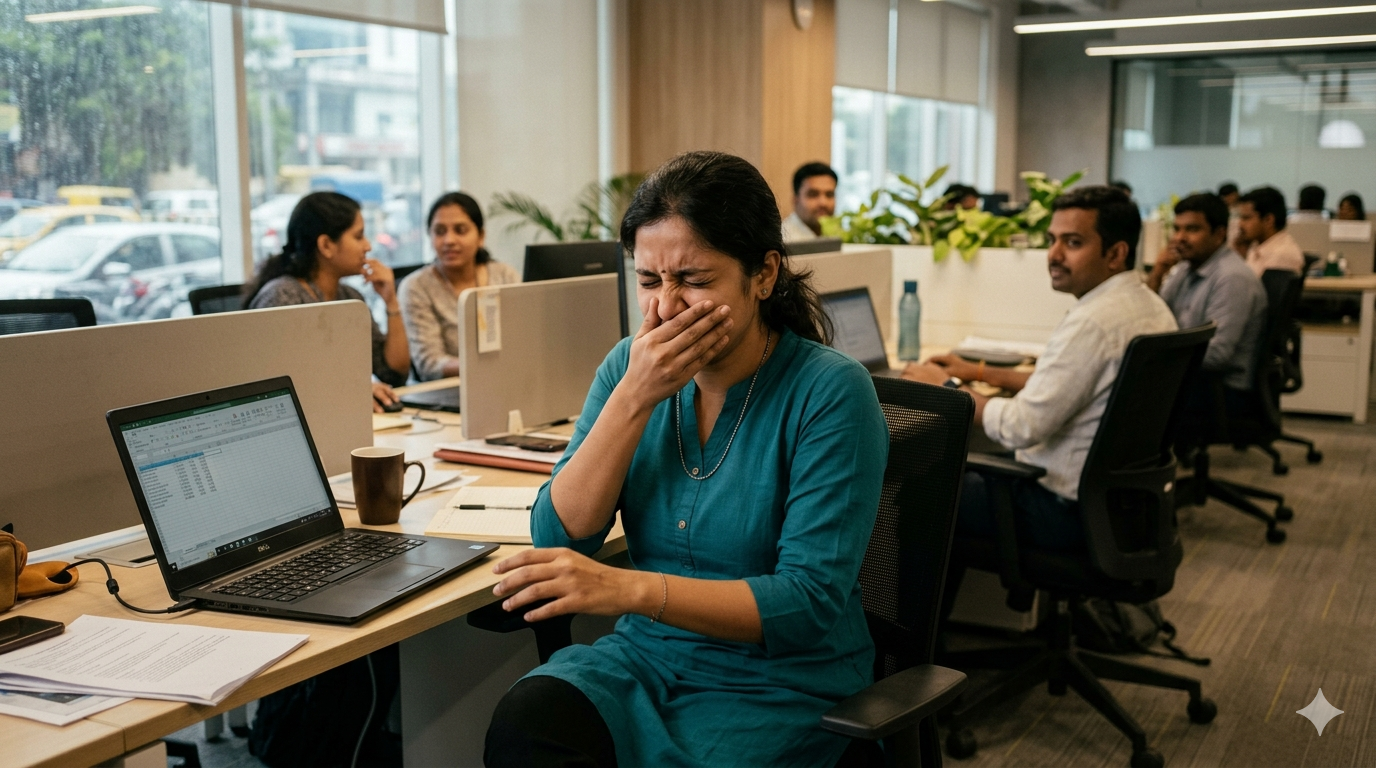
Sneezing is often seen as a minor inconvenience, something to be quickly suppressed, especially in public or professional settings. But doctors warn that holding in a sneeze may do more harm than good. What appears to be a simple reflex is actually a powerful protective mechanism designed to clear the airways of irritants such as dust, allergens, and microbes.
In recent years, medical experts have increasingly highlighted the risks associated with suppressing sneezes. From ear complications to sinus infections and even rare but serious injuries, the consequences of forcefully stopping a sneeze can extend beyond temporary discomfort.
In India, where pollution, dust exposure, and seasonal allergies are common triggers, sneezing plays a crucial role in maintaining respiratory health. Ignoring or blocking this reflex may interfere with the body's natural defence system, allowing harmful particles to remain trapped or travel deeper into sensitive areas.
So, is it really dangerous to hold in a sneeze? Doctors say yes, especially if it becomes a habit. Here's what specialists in pulmonology and ENT (ear, nose, and throat) have to say about the hidden risks and the right way to manage sneezing safely.
Why sneezing is important for your body
Sneezing is not just a reaction, it's a defence mechanism. "A sneeze is a natural reflex designed to expel irritants like dust, allergens, or microbes from the nasal passages," Dr. Sarat Kumar Behera, Director Critical Care & Senior Consultant - Pulmonology, Manipal Hospital, Bhubaneshwar, explains. Sneezing helps protect the respiratory tract by forcefully expelling particles that could otherwise trigger infections or inflammation. Suppressing this reflex interferes with the body's ability to clear these irritants effectively.
What happens when you hold in a sneeze?
When you block a sneeze, by pinching your nose or closing your mouth, the pressure generated doesn't vanish. Instead, it is redirected internally. "When you suppress it forcefully, the pressure generated doesn't just disappear, it gets redirected within the body," Dr. Behera warns. This sudden pressure spike can affect delicate structures in the head and respiratory system.
Dr. Avvaru Satya Kiran, Senior ENT Head & Neck Consultant, Yashoda Hospitals, Hyderabad, adds: "Holding back a sneeze creates a sharp rise in pressure within the nose, sinuses, and throat. This pressure can push mucus and air into the Eustachian tube." The Eustachian tube connects the throat to the middle ear, and pressure changes here can lead to discomfort or complications.
Potential health risks of suppressing sneezes
Doctors highlight several risks, some common, others rare but serious.
- Ear damage and infections: "Such force may cause ear discomfort, increase the risk of infection, or in rare cases, damage the eardrum," says Dr. Kiran. Pressure imbalances can affect the middle ear, increasing the likelihood of infections.
- Sinus problems: "Suppressing a sneeze can drive mucus back into the sinuses, resulting in congestion, sinus pain, or infection," Dr. Kiran explains. Trapped mucus creates an environment where bacteria can grow.
- Throat and respiratory injury: "There have been reported cases of throat damage due to suppressed sneezes," says Dr. Behera. Though rare, sudden pressure can strain tissues in the throat and upper airway.
- Blood vessel strain: "In rare situations, it can also strain blood vessels in the eyes or brain," Dr. Behera adds.
- Worsening of respiratory conditions: "For people with respiratory conditions such as asthma or chronic sinusitis, suppressing sneezes can worsen symptoms by trapping irritants inside," Dr. Behera warns.
Why it can be riskier for some people
Certain groups may face higher risks when suppressing sneezes:
- People with high blood pressure
- Individuals with sinus infections or allergies
- Those with asthma or chronic respiratory conditions
- People prone to ear infections
In these individuals, the added pressure and trapped irritants can aggravate existing health issues.
The bigger issue: Disrupting a protective reflex
Doctors stress that sneezing is essential for maintaining airway health. "Sneezing is the body's natural way of maintaining airway health," Dr. Kiran explains. "Suppressing a sneeze disrupts this natural defense mechanism."
Instead of clearing irritants, suppression may force them deeper into the respiratory tract, increasing the risk of infection.
The right way to sneeze safely
While letting a sneeze out is important, hygiene matters, especially in preventing the spread of infections. Dr. Behera advises: "Instead of stopping a sneeze, it's safer to let it happen in a controlled and hygienic manner."
Best practices include:
- Cover your mouth and nose with a tissue
- Use your elbow if a tissue isn't available
- Dispose of tissues immediately
- Wash or sanitise hands afterward
Holding in a sneeze may seem like a polite or harmless habit, but medical experts caution against it. From ear damage and sinus infections to rare but serious complications, suppressing this natural reflex can disrupt the body's defence mechanisms. Doctors emphasise that sneezing plays a crucial role in keeping the airways clear and healthy. The safest approach is simple. Let the sneeze happen, but do so responsibly, with proper hygiene. In the long run, respecting your body's natural responses is the best way to protect your health.
Disclaimer: This content, including advice, provides generic information only. It is in no way a substitute for a qualified medical opinion. Always consult a specialist or your own doctor for more information. NDTV does not claim responsibility for this information.