

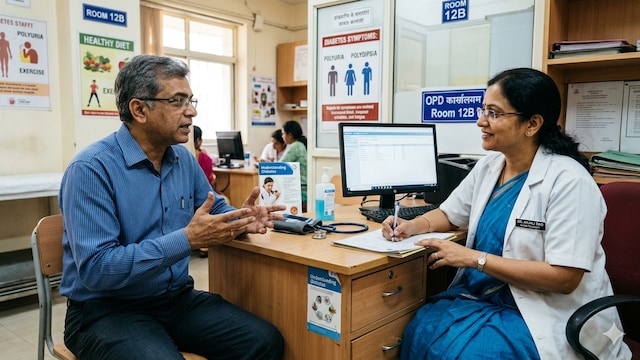
Sexual health problems are often dismissed as stress-related, age-related or purely emotional concerns. However, doctors warn that changes in sexual wellbeing can sometimes be among the earliest signs of serious underlying health conditions. Symptoms such as reduced libido, erectile dysfunction, painful intercourse, vaginal dryness, fatigue, poor stamina, difficulty with arousal or menstrual irregularities may indicate deeper metabolic, hormonal, cardiovascular or psychological disorders that require medical attention.
According to Dr. M. V. Jyothsna, sexual health concerns should never be ignored or normalised without evaluation. "Sexual health concerns are often misinterpreted as being solely psychological or relationship-related, yet in reality they can serve as early warning signs of underlying medical conditions," she explains.
Medical experts say sexual wellbeing is closely linked with hormonal balance, heart health, sleep quality, mental health and overall metabolic function. In many cases, addressing the root medical problem can significantly improve both sexual function and long-term quality of life.
Sexual Symptoms May Reflect Hidden Medical Conditions
Doctors say that sexual dysfunction can affect both men and women differently, but the root causes are often interconnected with broader health problems. "Reduced libido, fatigue, painful intercourse, erectile dysfunction, vaginal dryness, difficulty with arousal, menstrual irregularities, reduced stamina or changes in sexual performance should not be ignored," says Dr. Jyothsna. "These symptoms may reflect deeper health problems that require proper medical evaluation."
According to the World Health Organization (WHO), sexual health is not merely the absence of disease but a state of physical, emotional, mental and social wellbeing related to sexuality. Poor physical health, chronic disease and psychological distress can all impair sexual function.
Diabetes And Heart Disease Can Affect Sexual Function
One of the most common but under-recognised causes of sexual dysfunction is diabetes. High blood sugar levels can damage nerves and blood vessels, reducing blood flow and interfering with hormone balance. Men with diabetes are more likely to develop erectile dysfunction, while women may experience vaginal dryness, pain during intercourse and lower sexual satisfaction.
In men, erectile dysfunction can also be an early warning sign of cardiovascular disease. A scientific statement from the American Heart Association notes that erectile dysfunction may precede heart disease symptoms by several years because blood vessel damage often appears first in smaller arteries. Dr. Jyothsna highlights this concern, saying, "In men, erectile dysfunction may sometimes be an early indicator of vascular or heart-related disease."
Hormonal Disorders Often Affect Libido And Energy
Hormones play a critical role in sexual health, reproductive function and energy levels. Conditions such as thyroid disorders, polycystic ovary syndrome (PCOS), menopause and testosterone imbalance can all contribute to changes in sexual wellbeing.
"In women, persistent hormonal or reproductive symptoms may point towards conditions such as PCOS, thyroid dysfunction or menopause-related changes," says Dr. Jyothsna. Thyroid disorders can affect libido, menstrual cycles, mood and fertility. Similarly, declining oestrogen levels during menopause may lead to vaginal dryness, sleep disturbances and reduced sexual desire.
Hormonal imbalance may also contribute to fatigue, weight changes and mood disturbances, symptoms that frequently overlap with sexual health concerns.
Mental Health, Sleep And Lifestyle Also Matter
Sexual wellbeing is closely tied to emotional and mental health. Chronic stress, anxiety, depression and poor sleep can interfere with hormone regulation, energy levels and intimacy. "Lifestyle factors also play a significant role," Dr. Jyothsna explains. "Sedentary behaviour, smoking, excessive alcohol intake, chronic stress, poor diet and lack of exercise can all worsen both physical and sexual health."
The National Health Service (NHS) notes that depression and anxiety can reduce sexual desire and affect arousal in both men and women. In addition, certain medications, including antidepressants, blood pressure medicines and hormonal treatments, may contribute to sexual dysfunction. Sleep deprivation is another major factor. Studies published in the journal Sleep Medicine Reviews have shown that poor sleep quality is associated with reduced testosterone levels, lower libido and impaired sexual function.
Warning Signs That Should Not Be Ignored
Doctors say certain symptoms should prompt medical evaluation rather than self-diagnosis or embarrassment.
According to Dr. Jyothsna, warning signs include:
- Persistent fatigue
- Unexplained weight gain or weight loss
- Poor sleep quality
- Mood changes or depression
- Reduced sexual desire
- Pelvic discomfort
- Difficulty maintaining intimacy
- Reduced stamina
- Menstrual irregularities in women
- Erectile difficulties in men
"Sexual wellbeing is inseparable from overall physical, hormonal, emotional and metabolic health," she says. Proper evaluation may include blood sugar testing, thyroid screening, hormone profiling, cardiovascular assessment, nutritional evaluation and mental health review depending on symptoms and medical history.
Sexual health problems are not always isolated or purely psychological concerns. In many cases, they may act as early warning signs of hidden conditions such as diabetes, thyroid disorders, cardiovascular disease, hormonal imbalance, depression or chronic stress. Experts say early diagnosis is essential because treating the underlying cause often improves both sexual wellbeing and overall health outcomes.
Doctors emphasise that people should feel comfortable discussing sexual health concerns openly without embarrassment. Regular exercise, healthy sleep, balanced nutrition, stress management and routine medical check-ups can all support healthier sexual function and better long-term wellbeing.
\r\n
\r\n
Disclaimer: This content including advice provides generic information only. It is in no way a substitute for a qualified medical opinion. Always consult a specialist or your own doctor for more information. NDTV does not claim responsibility for this information.