

Delhi woke up to another day of dangerous air quality on Friday (November 13) as pollution levels entered the 'severe' category. According to data from the Central Pollution Control Board (CPCB) Delhi's AQI reached 419 at 8:40 AM on Friday with 33 of the city's 58 monitoring stations recording severe air quality. Several areas reported readings above 450, including IIT Delhi, Chandni Chowk and North Campus.
The situation has worsened steadily over the past few days. According to reports, Delhi's AQI rose from 299 on November 10 to 313 on November 11 and 350 on November 12 before crossing 400 today. The thick layer of smog and poor visibility are not only a concern for the lungs but can also affect the heart and blood vessels. Air pollution, particularly fine particulate matter such as PM2.5, have also been linked with changes in blood pressure and a higher risk of hypertension.
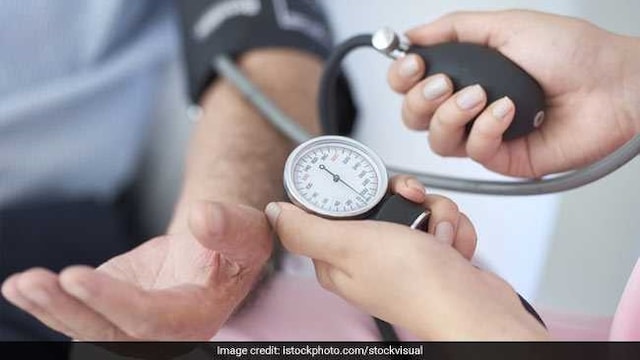
Can Delhi Air Pollution Affect Your Blood Pressure Levels?
When you're exposed to high levels of air pollution, it can cause temporary increases in blood pressure. However, with repeated or long-term exposure, it may contribute to a higher risk of developing hypertension. PM2.5 particles are concerning because they are small enough to travel deep into the lungs and cause inflammation and other changes that can affect the cardiovascular system.
A study which involved more than 5,000 adults from urban Delhi found that higher exposure to PM2.5 was linked to higher systolic blood pressure and an increased risk of developing hypertension. Read on to know more.
1. Pollution Can Cause Inflammation
When air pollutants are inhaled, they can trigger inflammation in the lungs. Some of the inflammatory responses can affect the rest of the body, including the blood vessels. This inflammation can impact the normal functioning of the blood vessel lining, known as the endothelium. When blood vessels become less flexible or do not relax properly, the heart may have to work harder to pump blood, potentially increasing blood pressure levels.
2. It Can Affect The Nervous System
Air pollution can also influence the autonomic nervous system which helps regulate heart rate and blood pressure. Fine particles can increase sympathetic nervous system activity which is also described as the body's 'fight or flight' response. This can lead to changes in heart rate and tighten the blood vessels, which may lead to a temporary rise in blood pressure.
3. Even Short-Term Exposure May Matter
You do not necessarily need to live with polluted air for years before seeing an effect. Research has found that short-term exposure to PM2.5 can cause small increases in blood pressure. A study found that very short-term PM2.5 exposure was associated with higher blood pressure, with the effect occurring around the time of exposure and gradually becoming weaker over several hours.
4. People With Hypertension May Need To Be Careful
For someone who already has high blood pressure, severe pollution can add another stress on the cardiovascular system. This does not mean that every person with hypertension will see a rise in their readings after stepping outside, but repeated exposure can be a concern. Older adults and people with existing heart or cardiovascular conditions may also be more vulnerable to the effects of polluted air.
5. Long-Term Exposure May Increase Hypertension Risk
The bigger problem is not just one polluted day but repeated exposure over months and years. The Delhi-based study found that both short- and long-term PM2.5 exposure were linked to higher blood pressure. It also found an increased risk of developing hypertension with longer exposure periods. A recent systematic review and meta-analysis also found that long-term PM2.5 exposure was associated with higher increases in blood pressure and an increased risk of hypertension
What Can You Do On High-AQI Days?
When Delhi's AQI is in the severe range, reducing exposure is important. Avoid spending unnecessary time outdoors, particularly near heavy traffic roads and during periods when pollution is highest. Outdoor exercise should also be avoided when air quality is severely polluted, as physical activity increases the amount of air you breathe in.
Keep windows and doors closed when outdoor pollution is very high and consider using an air purifier indoors. If you need to go outside, wear a well-fitting N95 or equivalent mask.
Should You Check Your Blood Pressure?
If you have hypertension, heart disease or other cardiovascular risk factors, monitoring your blood pressure regularly can be a good thing during prolonged periods of severe pollution. However, one unusual reading does not automatically mean that air pollution has caused hypertension.
Blood pressure naturally changes throughout the day and can also be affected by stress, sleep, physical activity, caffeine and medication. If readings remain consistently higher than usual, or you develop symptoms such as chest pain, severe breathlessness, fainting or sudden weakness, you should seek medical attention.
Disclaimer: This content including advice provides generic information only. It is in no way a substitute for a qualified medical opinion. Always consult a specialist or your own doctor for more information. NDTV does not claim responsibility for this information.