

)
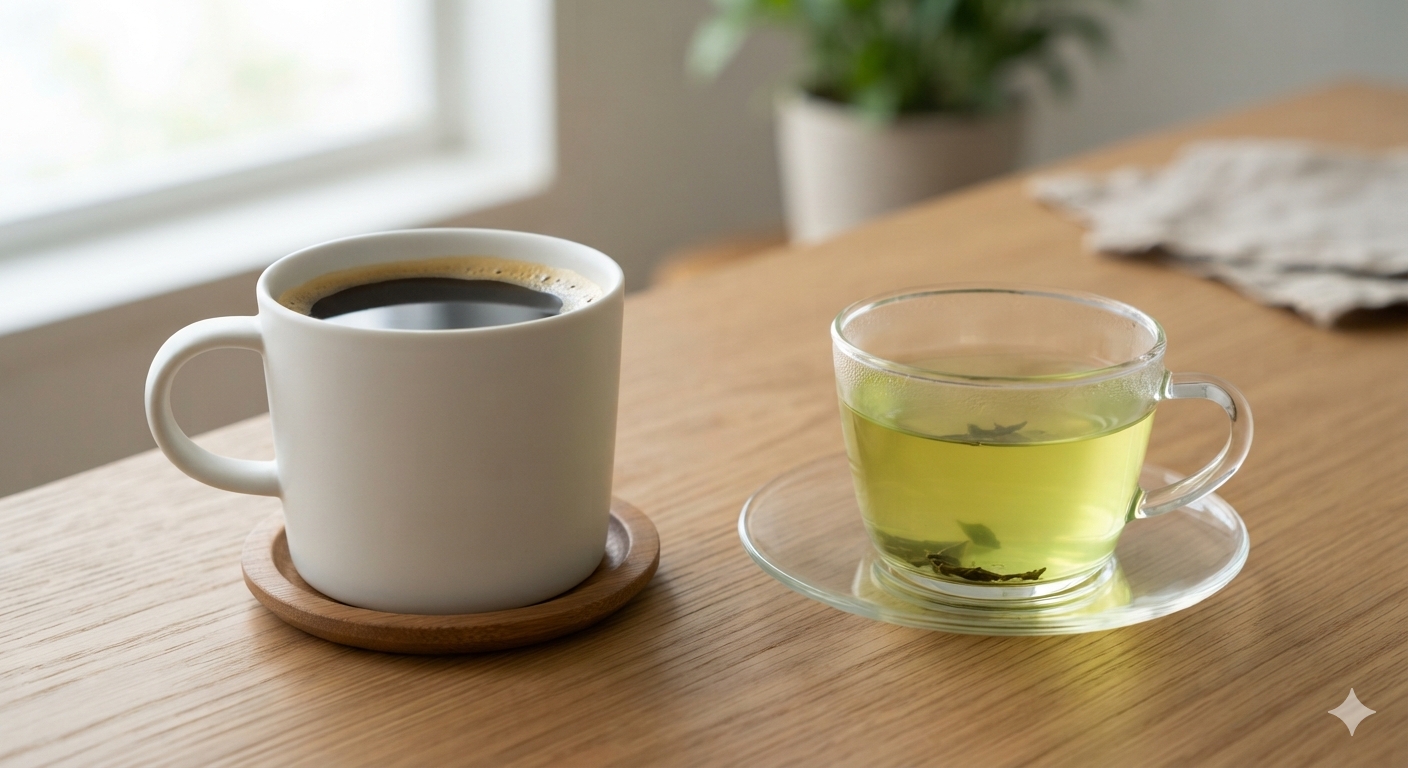
Black coffee and green tea are two popular beverages among health enthusiasts, especially among those trying to lose weight and manage diabetes. They are particularly in focus due to their numerous health benefits and relatively low calorie content. Both drinks have been linked to a variety of positive health effects, making them staples in many wellness routines. When managing diabetes and pursuing weight loss, dietary choices play a crucial role in overall health. Black coffee, rich in antioxidants and low in calories, has been associated with enhanced insulin sensitivity and decreased risk of type 2 diabetes. On the other hand, green tea is celebrated for its catechins, which may aid in fat burning and weight management. Here's a complete comparison of all the pros and cons of each beverage, helping you determine which might be the better choice for managing diabetes and supporting weight loss efforts.
Black coffee vs green tea: Which is better for diabetes management and weight loss
Benefits of black coffee:
- Caffeine in coffee increases dopamine and norepinephrine, leading to sharper focus, better memory, and improved mental alertness.
- Black coffee is loaded with antioxidants, which can help reduce inflammation and combat oxidative stress in the body.
- Caffeine in coffee can enhance metabolic rate, helping with weight loss or management by increasing the number of calories burned.
- Caffeine can improve physical performance and endurance by increasing adrenaline levels.
- Some studies suggest that regular coffee consumption may be linked to a lower risk of diseases such as type 2 diabetes, Parkinson's disease, and liver disease.
Benefits of green tea:
- Green tea contains catechins, a type of antioxidant that is particularly effective at reducing inflammation and supporting overall health.
- Green tea has been shown to boost metabolism and promote fat oxidation, which can contribute to weight loss efforts.
- The caffeine and amino acid L-theanine in green tea can work together to enhance cognitive function, improve focus, and boost mood.
- It provides a stable, smooth energy boost without the jittery crash associated with coffee.
- Some studies suggest that green tea can improve insulin sensitivity and lower blood sugar levels.
- Green tea also helps lower total cholesterol and LDL (bad) cholesterol, while protecting the LDL particles from oxidation.
Comparison for diabetes and weight loss:
-
For diabetes
Both drinks are virtually calorie-free when consumed plain and can safely fit into a diabetic diet. Black coffee is linked to a lower long-term risk of developing Type 2 diabetes. Conversely, green tea directly improves insulin sensitivity and reduces insulin resistance.
-
For weight loss
Both black coffee and green tea can support weight loss due to their metabolism-boosting properties. Black coffee boosts your resting metabolic rate by 3% to 11%, suppressing your appetite in the short term and acting as an excellent pre-workout drink to maximise calorie burn. On the other hand, green tea contains less caffeine but is packed with EGCG (epigallocatechin gallate). This antioxidant pairs with the light caffeine to enhance fat oxidation, specifically targeting visceral abdominal fat over time.
The verdict
Choose black coffee if your priority is intense workout performance, an immediate energy spike, or short-term appetite suppression during intermittent fasting.
Choose green tea if you want a gentle, all-day fat burner that actively supports blood sugar management, reduces insulin resistance, and avoids caffeine-induced anxiety or blood sugar spikes.
However, individual preferences and responses can vary, so it may be beneficial to incorporate both beverages into a balanced diet for optimal health benefits.
Pro tip: The health benefits of both beverages are completely negated if you add sugar, milk, cream, or flavoured syrups. They must be consumed plain to effectively aid weight loss and diabetes management.
Disclaimer: This content including advice provides generic information only. It is in no way a substitute for a qualified medical opinion. Always consult a specialist or your own doctor for more information. NDTV does not claim responsibility for this information.