

)
Delhi is witnessing a sharp rise in H1N1 influenza cases, with 1,777 infections reported up to August 20, 2026, compared with 229 during the corresponding period last year, according to National Centre for Disease Control (NCDC) data. The increase has prompted hospitals in the capital to strengthen arrangements for patients with influenza and possible complications. Further, cities like Kolkata and Bengaluru have also seen recent surges. The Indian Council of Medical Research (ICMR) has confirmed that these surges are not due to a new strain of H1N1, and recommends precautions over panic across the board.
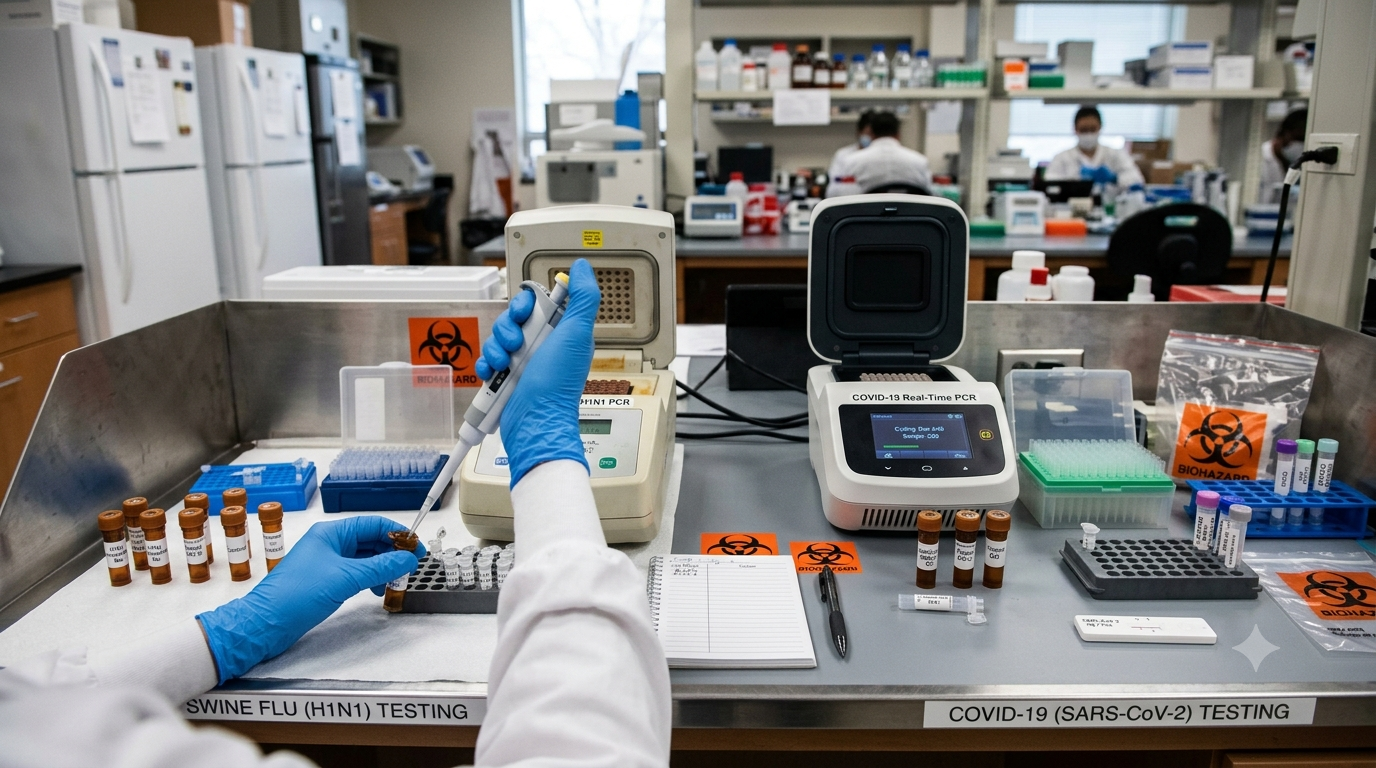
The rise in swine flu cases is also bringing back a familiar question: How can you tell H1N1 influenza apart from COVID-19?
Both are viral respiratory infections and can cause fever, cough, sore throat, fatigue and body aches. That overlap means symptoms alone cannot reliably establish whether someone has influenza or COVID-19.
"Swine flu and COVID-19 are both respiratory infections that can cause fever, cough, sore throat, body ache and fatigue, which can make them difficult to distinguish based on symptoms alone," said Dr Niraj Kumar, Senior Consultant, Internal Medicine, ShardaCare-HealthCity. The viruses, however, are different, and so are some aspects of their clinical course, testing and treatment.
H1N1 vs COVID-19: What is the difference?
1. Different viruses cause the two infections
H1N1, commonly called swine flu, is caused by an influenza A virus. H1N1 became widely known after the 2009 influenza pandemic and has since circulated as one of the seasonal influenza viruses.
COVID-19, on the other hand, is caused by SARS-CoV-2, a coronavirus. The World Health Organization (WHO) notes that COVID-19 and influenza are distinct respiratory diseases caused by different viruses. The distinction matters because a medicine that targets influenza does not automatically work against SARS-CoV-2, and vice versa.
2. Symptoms can look remarkably similar
Influenza often begins suddenly. According to WHO's India influenza guidance, typical flu-like illness can include sudden fever, usually dry cough, headache, muscle and joint pain, severe malaise, sore throat and a runny nose.
"Influenza often has a more sudden onset, with high fever, chills, prominent body aches and marked fatigue," Dr Kumar explained. COVID-19 has a broader range of possible symptoms. WHO lists fever, chills, sore throat, cough, fatigue, headache, muscle aches, runny or blocked nose and, in some patients, changes in taste or smell among possible symptoms. Gastrointestinal symptoms such as nausea, vomiting or diarrhoea can also occur.
However, there is considerable overlap. "COVID-19 can present with a broader range of symptoms, including fever, cough, sore throat, fatigue and, in some cases, loss or alteration of taste and smell," Dr Kumar said. "However, there is considerable overlap, so symptoms alone cannot reliably confirm which infection a person has."
Therefore, someone with fever and cough should not assume that the illness is H1N1 simply because influenza cases are currently rising in Delhi.
Also Read: Delhi Records 1,777 H1N1 Cases This Year; ICMR Says No New Strain, No Cause For Panic
3. The timing of symptoms can offer clues, but not a diagnosis
Influenza generally has a short incubation period. WHO's influenza information states that symptoms usually appear around two days after infection, with a range of one to four days. COVID-19 has a different incubation pattern, although this has varied with circulating SARS-CoV-2 variants. WHO notes that symptoms can appear several days after infection and that the clinical presentation can vary considerably.
This difference can be useful when doctors assess a patient's exposure history, but it is not sufficient to diagnose either infection.
4. Testing may be needed
Because H1N1 and COVID-19 can produce similar symptoms, laboratory testing may be required when knowing the cause will influence treatment or clinical management. WHO recommends molecular or antigen-based testing for confirming SARS-CoV-2 infection when COVID-19 is suspected.
For influenza, healthcare providers may use respiratory specimens and laboratory tests to identify influenza viruses. The NCDC maintains technical guidance and a list of laboratories involved in influenza testing in India. A doctor may decide which test is appropriate depending on symptoms, risk factors, local circulation of viruses and the severity of illness.
How is treatment different for H1N1 and COVID-19?
One of the most important differences is that the antiviral medicines used for influenza and COVID-19 are not interchangeable.
For influenza, antiviral medicines such as oseltamivir may be prescribed, particularly for people at increased risk of complications, those with severe illness or certain hospitalised patients. They work best when started early, ideally within 48 hours of symptom onset.
"Medicines such as oseltamivir may be prescribed, particularly for patients at higher risk of complications or those with severe disease, and they work best when started early," Dr Kumar said. COVID-19 treatment depends on disease severity and the patient's risk of progression. For selected high-risk patients with non-severe disease, WHO recommends antiviral options including nirmatrelvir-ritonavir and, in appropriate circumstances, remdesivir or molnupiravir. Treatment decisions should be made by a healthcare professional because eligibility, timing, drug interactions and contraindications matter.
Importantly, antibiotics do not treat either H1N1 or COVID-19, unless a bacterial infection is also present. WHO specifically advises against routine empirical antibiotics for non-severe COVID-19 when there is low suspicion of bacterial infection.
Who is at higher risk of complications?
Both infections can become serious, particularly in vulnerable groups.
For influenza, WHO identifies pregnant women, older adults, young children and people with chronic conditions such as lung, heart, kidney or liver disease, diabetes, neurological disorders, cancer or conditions requiring immunosuppression as groups at increased risk of complications.
For COVID-19, older adults and people with underlying conditions including cardiovascular disease, diabetes, chronic lung or kidney disease, cancer, obesity or weakened immunity are also at higher risk of severe illness.
Both infections can cause complications such as pneumonia and severe respiratory illness.
When should you seek medical help?
A mild respiratory infection can often be managed with rest, fluids and symptom-based care under medical guidance. But worsening symptoms should not be ignored.
"Neither H1N1 nor COVID-19 should be taken lightly," Dr Kumar said. People should seek prompt medical evaluation if they develop difficulty breathing, chest pain or pressure, confusion, unusual drowsiness, bluish or pale skin, or falling oxygen saturation. WHO lists breathing difficulty, confusion and persistent chest pain among warning signs requiring urgent attention in COVID-19.
The same principle applies to influenza: severe or worsening respiratory symptoms, particularly in people at high risk of complications, warrant timely medical assessment.
Delhi's rise in H1N1 cases is a reminder that influenza remains an important respiratory infection even years after the COVID-19 pandemic. While H1N1 and COVID-19 can look similar at the beginning, they are caused by different viruses, have some differences in symptom patterns and require different antiviral approaches.
The key takeaway is simple: do not try to diagnose H1N1 or COVID-19 based on symptoms alone. If symptoms are severe, persistent or worsening, particularly in a high-risk person, medical evaluation and appropriate testing can help determine the cause and ensure timely treatment.
Disclaimer: This content including advice provides generic information only. It is in no way a substitute for a qualified medical opinion. Always consult a specialist or your own doctor for more information. NDTV does not claim responsibility for this information.