

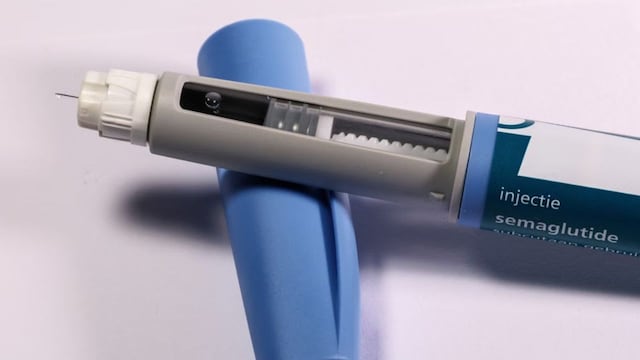
Prescription drugs advertised as remedies to weight loss will now come under serious scrutiny with the government of India now looking a draft amendment seeking to bring retailers, wholesalers and distributors under advertising restrictions for Schedule H, H1 and X drugs, amid growing concerns over unauthorised sales and surrogate promotion of GLP-1 medicines.
The Union Ministry of Health and Family Welfare has proposed tighter restrictions on the advertising of prescription medicines, seeking to extend existing regulatory requirements to drug retailers, wholesalers and distributors in a move aimed at curbing unauthorised promotion and strengthening patient safety.
The proposal follows recommendations made at the 93rd meeting of the Drugs Technical Advisory Board (DTAB) on February 16, 2026. The Ministry has invited objections and suggestions from stakeholders and members of the public within 30 days of the Gazette notification being made available.
CCTV Footage At Licensed Medical Shops
Just three weeks ago the government had also proposed CCTV surveillance at licensed retail premises for prescription drug sales with recordings to be preserved for three months.
GLP-1 Drugs A Growing Regulatory Challenge
The proposed changes come amid heightened regulatory scrutiny of the sale and promotion of glucagon-like peptide-1 (GLP-1) receptor agonists, a class of medicines used in the management of type 2 diabetes and, for certain approved products and indications, weight management.
The rapid growth in demand for these medicines has raised concerns about unauthorised sales, prescription practices, online availability and promotional campaigns that may encourage consumers to seek prescription treatments without appropriate medical supervision.
In March 2026, the Central Drugs Standard Control Organisation (CDSCO) intensified surveillance of the GLP-1 drug supply chain. According to the Union Health Ministry, inspections were conducted at 49 entities, including online pharmacy warehouses, wholesalers, retailers, wellness centres and slimming clinics, to identify potential violations involving unauthorised sales, improper prescription practices and misleading marketing.
The regulator also issued an advisory on March 10, 2026, prohibiting surrogate advertisements and indirect promotional activities that could mislead consumers or encourage inappropriate use of GLP-1 medicines.
Surrogate Advertising Of GLP-1 Already Under Scanner
Surrogate advertising has emerged as a particularly sensitive issue in the promotion of prescription weight-loss medicines. Such campaigns may be presented as obesity-awareness initiatives, influencer collaborations or general discussions about weight management, while indirectly creating brand recall or demand for a specific prescription product.
CDSCO Advisory Of March 2026 Stopped Corporate Campaigns
The CDSCO's March 2026 advisory made clear that the prohibition extends beyond conventional advertisements. Promotional activity carried out under the guise of disease awareness, influencer engagement or corporate campaigns may also attract regulatory action if it indirectly promotes a prescription-only product to the general public.
Indirect campaigns that create product visibility or encourage consumers to seek a prescription medicine have also come under scrutiny.
Draft Amendment To Close A Regulatory Gap
Under the existing framework described by the Ministry, pharmaceutical manufacturers are subject to restrictions on advertising Schedule H, H1 and X medicines without prior Central Government sanction. However, the corresponding provision has not explicitly extended the same requirement to all entities involved in the retail and wholesale sale and distribution of these medicines.
The proposed amendment seeks to address this gap by covering licence holders authorised to sell, stock, exhibit or offer drugs for sale, or distribute them.
If finalised, the amendment would extend the advertising restriction across a wider section of the pharmaceutical supply chain, including retail pharmacies, wholesalers and distributors.
The proposed provision states that no advertisement of drugs specified in Schedule H, Schedule H1 or Schedule X may be made without the previous sanction of the Central Government.
What Does This Mean For The Pharmaceutical Industry?
The proposal signals closer scrutiny of how prescription medicines are promoted across sales channels. Retailers, wholesalers and distributors may need to review their advertising practices and ensure that promotional material complies with applicable drug laws.
The proposal also reinforces the importance of ensuring that social media campaigns, influencer partnerships, online promotions and other marketing initiatives do not circumvent restrictions applicable to prescription-only medicines.
The draft amendment is not yet a final rule. The Ministry has invited objections and suggestions within the prescribed 30-day period, after which the submissions will be considered before the amendment is finalised.
Disclaimer: This content including advice provides generic information only. It is in no way a substitute for a qualified medical opinion. Always consult a specialist or your own doctor for more information. NDTV does not claim responsibility for this information.